



One neighbor was left unsettled after a simple act of kindness spiraled into an unexpected request for help. After offering to jump-start a friend’s dead car battery, the situation quickly morphed into an uncomfortable errand run that one did not see coming.
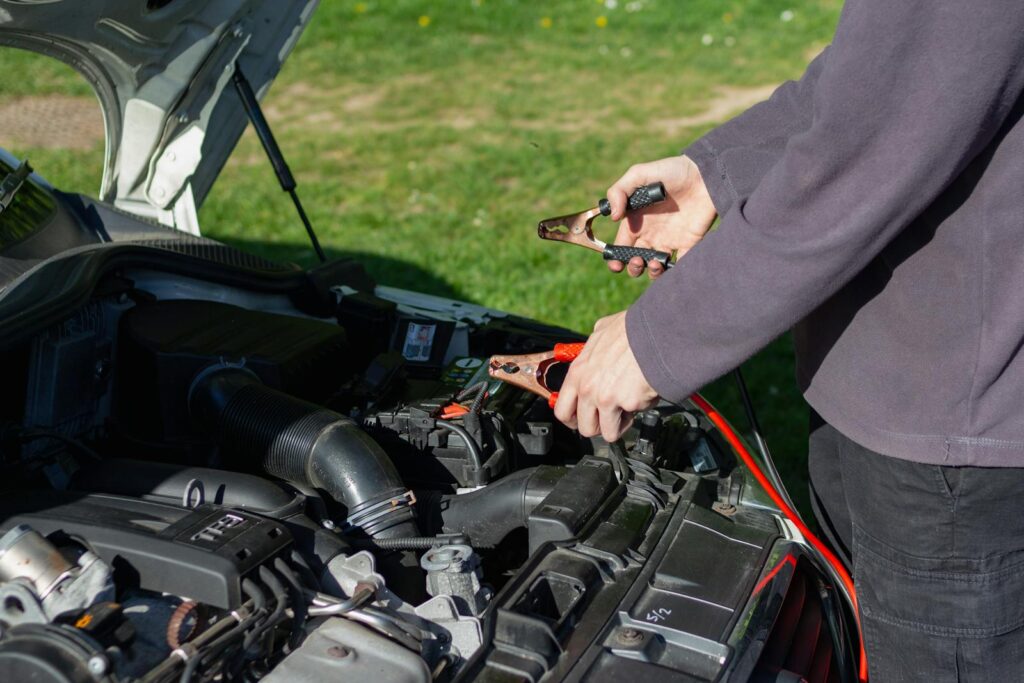
It started on a Saturday morning when one stepped out to head to her car. Across the parking lot stood her neighbor, Sandra, appearing stressed and flustered. Upon asking if everything was okay, she learned that Sandra’s car battery had died. The neighbor, equipped with jumper cables, offered her help without hesitation. This gesture took no more than ten minutes, and Sandra expressed her gratitude before one thought she was done for the day.

As one prepared to leave, Sandra seized the opportunity to request a ride to the pharmacy, stating it was just a five-minute drive away. One, feeling a bit generous and not in any rush, agreed to this quick detour, thinking it would be no big deal. After waiting in the car while Sandra dashed inside, one was still in good spirits, ready to resume her day.
However, the situation took another turn when Sandra returned to the car and asked if they could stop at the grocery store. Although this store was in an entirely different direction, one again acquiesced. After all, it was just another quick stop, right? As time ticked away, one waited patiently once more, still optimistic that she could wrap up her errands soon.
Things became a little more complicated when Sandra emerged from the grocery store and casually mentioned she needed to return an item on the other side of town. At this point, one had already invested nearly an hour and a half into helping Sandra with errands, and the pressing nature of her own obligations began to creep in. Firmly, one replied that she could not accommodate a third stop, which was met with an unsettling silence from Sandra.
“Oh, okay, I guess I’ll figure it out,” Sandra said, her tone clearly hinting at disappointment. This left one feeling uneasy. Why was a simple favor morphing into an array of errands? A simple jump-start had escalated into an uncomfortable moment, with one trying to navigate Sandra’s expectations without crossing boundaries.
Driving Sandra back home, one reflected on the whole situation. Yes, she had helped with the battery, but that did not mean she had signed up for an extended day of errands. There was a line, and one thought she had clearly stayed on the right side of it. Yet, Sandra’s quiet response on the drive home echoed a subtle pressure to feel guilty for saying no.
People had very different reactions to this Reddit discussion. Some thought it was unreasonable for Sandra to expect more help after one had already gone out of her way. Others pointed out that sometimes, people can unconsciously assume that a small favor opens the door to bigger requests. The nuances of neighborly relationships and obligations sparked a lively conversation, with many chiming in with their personal experiences of similar situations.
Some shared stories of being roped into helping friends or neighbors beyond what they initially intended, while others suggested setting boundaries from the beginning. The line between a simple good deed and being taken advantage of was a common concern. After all, one can only offer so much time before it feels like an obligation rather than a favor.
This left many readers wondering about the dynamics of neighborly interactions. When does a small help turn into an expectation? Is it reasonable to feel pressured to help beyond what one initially agreed to? These questions linger on as many share their opinions about the complexities of helping others versus preserving personal time and boundaries.
More from Decluttering Mom: