

Some advice slides right past you. Other advice stops you cold. For @ccelli, it was a single sentence from his mother, and it landed so hard that he had to walk out, climb into his truck and sit there by himself to think about it. “Guys, my mom just hit me with an absolute banger,” he says in a short video, before repeating the line that rattled him.

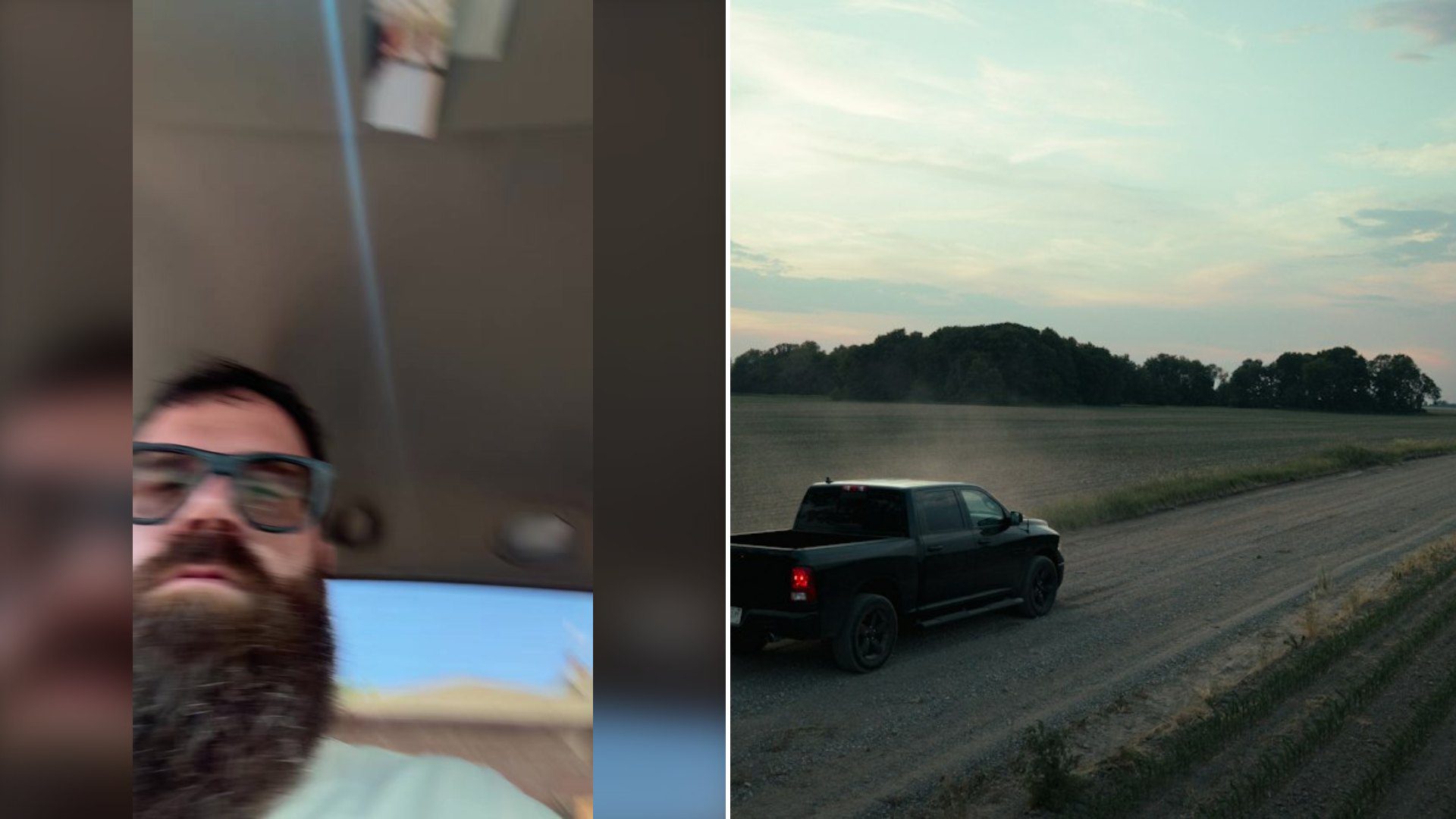
Here is what she told him: “Don’t let your empathy rob people of the necessary consequences they need to suffer for their actions.”
“Now I had to leave and go sit in my truck by myself,” he says.
In his caption, he explains why it hit so hard. His mom, he writes, “has told me about 50 different ways not to let empathy become a negative trait,” but this particular phrasing “hit me like a ton of bricks.”
Anyone who has raised children, managed employees, or loved a friend through a rough patch probably understands that truck moment. The idea that kindness can sometimes do harm is not a comfortable one. It asks you to look back at times you stepped in, smoothed things over, paid the bill, made the excuse or took the blame, and wonder whether you really helped.
@ccelli
When Kindness Gets in the Way
Empathy is the ability to feel what someone else is feeling. It is one of the best qualities a person can have. But the mother’s point is that empathy can quietly turn into rescuing, and rescuing can take something valuable away from the other person: the chance to learn from what they did.
Consequences are how most of us learned anything that stuck. The late fee taught us to pay on time. The lost job taught us to show up. The friend who stopped calling taught us to keep our word. When someone always swoops in to soften those blows, the lesson never arrives, and the same problem tends to come back again, often bigger.
Notice the word she chose, too: “necessary.” She is not saying people deserve to suffer, or that you should be cold. She is saying some consequences are needed for growth, and that a loving person can get in the way of that without meaning to.
It is easy to see how this plays out in real families:
- A parent keeps covering an adult child’s rent, and the adult child never learns to budget.
- A spouse calls in sick for a partner who drank too much the night before, again.
- A grandparent quietly pays off a grandchild’s speeding tickets so their parents never find out.
Each of those starts from a good heart. Each can also keep someone stuck.
How to Tell Helping From Enabling
There is no perfect formula, but a few honest questions can help you sort out whether your empathy is helping someone or shielding them from something they need to face.
Is this a one-time crisis or a pattern? Helping a friend through a sudden medical bill or a car accident is very different from bailing out the same person for the same mistake for the fifth time. Patterns are usually the sign that the consequence has not been allowed to do its work.
Who is feeling the pain of the problem? If the person who made the choice feels fine and you are the one losing sleep, money or patience, the consequence has landed on the wrong person.
Am I doing this for them, or to avoid my own discomfort? Sometimes we rescue because watching someone struggle is hard for us. Being honest about that is not easy, but it often explains why we keep stepping in.
Letting Consequences Happen Without Losing Your Heart
Allowing someone to face the results of their actions does not mean you stop caring. You can be warm and still hold the line. A few approaches many families find helpful:
Say it out loud, kindly. Something like “I love you, and I am not going to cover this one” is clear without being cruel. You do not owe a long explanation.
Offer support, not a rescue. You can sit with someone while they call the landlord, help them make a budget, or drive them to a job interview, without paying the debt for them. That keeps you in their corner while the responsibility stays with them.
Expect some pushback. When a person who is used to being rescued suddenly is not, they may be angry or hurt. That does not mean you made the wrong call.
Watch for real danger. This advice is about everyday choices and responsibilities. If someone is in genuine danger, such as a health emergency, a threat of self-harm, or abuse, that is a different situation, and getting them help comes first. Reaching out to a doctor, counselor or the 988 Suicide and Crisis Lifeline is always appropriate.
For many people in the second half of life, this message lands with a little sting. Parents and grandparents often spent decades being the safety net for everyone. That generosity is something to be proud of. But it is never too late to adjust, and adult children and grandchildren are often more capable than we give them credit for.
The young man in the video did not share what situation made the advice hit so close to home, and that is probably for the best. What he did share is the reaction many people have when someone finally says out loud what they have been half-feeling for years. Sometimes the most loving thing you can do is step aside, let the lesson come, and be there with a warm meal afterward.
More From Decluttering Mom
- Woman’s One Hundred Year Old Mother Clears Out Her Things Almost Every Week and Hands Them Over and This Week the Pile Held a Sewing Kit She Has Wanted Since Childhood
- Dresser Flipper Who Has Restored Over Three Hundred of Them Takes Fifty Dollars to a Thrift Store and Shows Why He Walked Past the Dresser With Metal Drawer Bottoms
- Day Seven of Getting an Entire House Hibernation Clean Takes a Mom Into the Closet Where Cheerios and Important Documents Were Hiding Under Kids Clothes