



When a passerby spotted a smartphone lying on the sidewalk and handed it in, the owner thought he had dodged a minor inconvenience. Instead, he discovered that the device in his pocket was now the key to his entire financial life, and someone had already used it. Within hours, his savings were gone, siphoned out through banking apps and wire transfers that treated the thief as if they were him.
That scenario is no longer a freak edge case. Around the world, victims are reporting that a single lost or stolen phone can lead to tens of thousands of dollars vanishing from current accounts, savings pots, and investment apps, often in minutes and often with little initial help from the institutions meant to protect them.
The sidewalk loss that became a financial crime scene

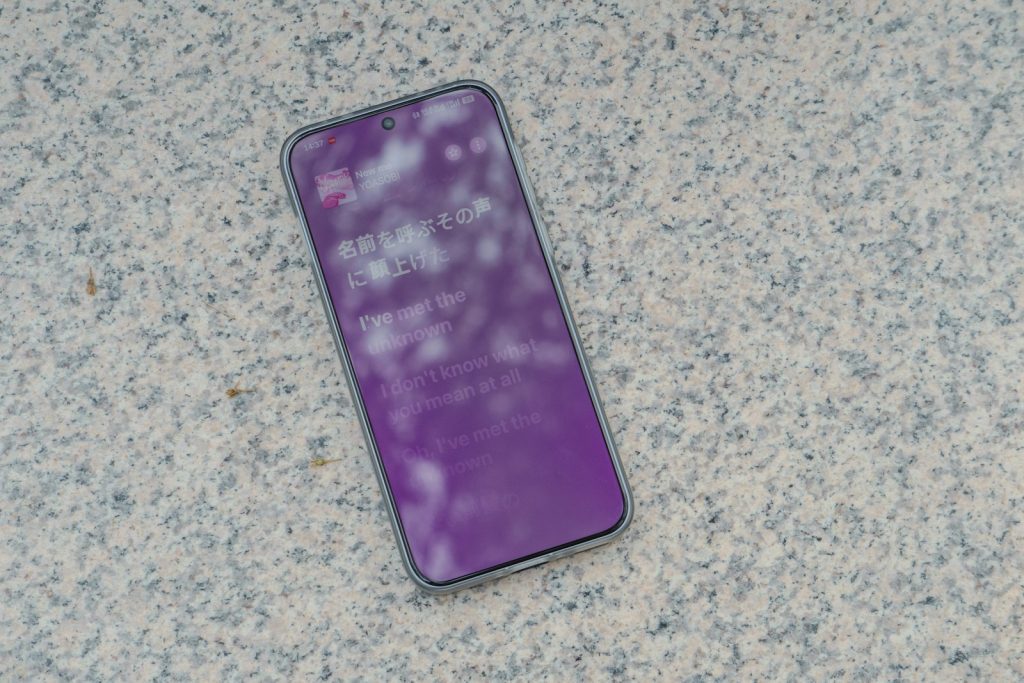
In one recent case, police sources described a man who misplaced his phone on a night out and woke up to find that more than $50,000 had been drained from his accounts before he could even report the device missing. The phone itself was eventually recovered, but by then the damage was done, with multiple transfers and purchases already processed as if they were legitimate. Investigators said the criminals did not need exotic malware or insider access, only the unlocked handset and the personal data already stored on it.
That pattern echoes a growing number of reports in which thieves grab a phone, quickly reset passwords, and then move money through banking apps and instant payment tools while the victim is still trying to work out what happened. In some cases, the device is snatched from a hand in public, in others it is picked up from a bar table or taxi seat, but the result is the same: the phone becomes a weaponized identity token that gives intruders a direct route into savings, credit cards, and even investment platforms.
How thieves turn a single phone into a master key
Security specialists say the core problem is that modern smartphones double as both wallet and identity document, and many people underestimate how quickly that can be abused. Cyber security expert Dr Jessica Barker has warned that mobile phone fraud can unfold in several ways, including criminals shoulder surfing to capture PINs, tricking victims into revealing banking passwords, or exploiting weak device locks to bypass protections entirely. Once inside, the intruders can approve new payees, change contact details, and authorize transfers without ever speaking to the account holder.
In practice, that means a thief who has watched someone unlock their phone in a bar or on a train can snatch the device and immediately open banking apps, email, and text messages that are often used for two factor authentication. Criminals then request password resets, intercept verification codes, and lock the real owner out of their own accounts, sometimes within minutes of the theft.
Real victims: from Matthew overseas to Dave at home
The human cost of that speed is clear in the story of Matthew, who had his phone snatched from his hand while overseas and saw thousands disappear almost immediately. With the unlocked phone in hand, the thieves had everything they needed to access his banking apps, change his passwords, and start moving money, eventually locking him out. The warning that followed was blunt: be careful when using your phone in public while overseas, because a single lapse can cascade into a full financial crisis.
In Arizona, a man named Dave saw his $27,000 life savings vanish after scammers turned his phone into what investigators described as a weapon. Local law enforcement stepped in, with a detective working to trace the transfers and identify the scammer, but the emotional shock of watching an entire nest egg disappear in a matter of hours was already done. For victims like Dave and Matthew, the phone theft is only the beginning of a much longer ordeal involving police reports, bank disputes, and months of financial uncertainty.
Inside the new wave of SIM swaps and phone cloning
Not every attack starts with a physical grab. Increasingly, criminals are hijacking phone numbers remotely through SIM swapping and cloning, then using that control to reset passwords and bypass security checks. In one case, a Bank of America customer named Justin lost $38,000 after his number was taken over and used to approve transfers from his account, while Bank spokeswoman Naomi said she could not comment on the specific case while the investigation was ongoing. But she added that Bank of Amer had systems to distinguish verified from unauthorized transactions, highlighting the tension between automated fraud checks and the reality of sophisticated social engineering.
Phone cloning has also become a serious concern, with one detailed account describing how a victim’s line was copied so that calls and texts were silently diverted to criminals. An article shared by Alexander Financial Planning noted that Page 3 featured artwork by CHRIS GASH and explained that Federal Communications Commission has vowed to curb the problem with new rules scheduled to take effect this year. Those measures are aimed at forcing carriers to tighten identity checks before porting numbers or issuing replacement SIM cards, a step regulators hope will slow the surge in remote account takeovers.
How fast can a thief empty an account?
Once a criminal has control of a phone or number, the clock starts ticking against the victim. A detailed test of banking security found that, in some cases, a determined attacker could drain accounts within minutes using only the information stored on the device. Our results showed that both traditional high street banks, labelled HS1 to HS3, and newer digital providers, labelled N1 to N7, could be vulnerable if a thief had physical access to an unlocked phone. In the left column of that analysis, the banks were grouped to highlight how similar design choices around app login and payment approval created common weaknesses.
In practice, that speed is amplified by the nature of modern payment systems. Instant transfers, real time peer to peer apps, and rapid wire services mean that once money leaves a victim’s account, it can be scattered across multiple destinations before anyone notices. A separate investigation into a sneaky new phone scam highlighted how Wire transfers are nonreversible, and one such transfer was traced to a convicted felon after the fact, underscoring how difficult it is to claw back funds once they have been pushed through the banking system.
The role of online data and social engineering
Behind many of these attacks is a quieter phase in which criminals gather personal information from social media, data breaches, and public records. A fraud specialist named Tomasz has warned that Criminals are using online info to target victims, building profiles detailed enough to convince mobile carriers and banks that they are speaking to the real customer. According to Tomasz, this can include addresses, dates of birth, and even partial account numbers leaked in previous hacks, all of which are then deployed in scripted calls to customer service lines.
Once that groundwork is laid, the social engineering begins. Attackers call a carrier to report a lost phone, request a SIM replacement, or ask for a number to be ported to a new device, using the harvested data to pass security checks. In parallel, they may send phishing texts or emails that mimic bank alerts, tricking victims into entering codes or passwords on fake sites. When those efforts succeed, the criminals gain the same level of access as if they had physically stolen the handset, but with even less chance of being caught on camera or confronted in person.
What happens when victims ask banks for help
For those who discover their accounts have been emptied, the next step is often a frustrating battle with customer service. One man named Robinson said he initially “didn’t get really any information” from his bank after thieves got his phone and then his savings, describing the response as a “wall of silence.” Feeling stonewalled, Robinson turned to a local consumer advocacy segment called Solve It 7, and after that intervention, the bank ultimately returned his money, a reminder that persistence and outside pressure can sometimes shift outcomes.
Other victims share similar stories in online forums, where they compare notes on how institutions respond to large unauthorized transfers. In one widely discussed thread, a user posting under the name Dramatic-Coffee9172 described how a stolen phone led to £50,000 of fraud in a matter of hours, and how They believed criminals could simply request to reset stuff and receive the reset emails and texts. That account, like many others, raises difficult questions about where responsibility lies when security systems treat a compromised phone as definitive proof of identity.
Law enforcement, regulators and the reporting gap
When money vanishes through mobile enabled fraud, victims are often advised to file reports with both local police and national cybercrime portals. In the United States, the Internet Crime Complaint Center, accessible via IC3.gov, serves as a central hub for documenting incidents and sharing intelligence with law enforcement agencies. In Justin’s SIM swapping case, for example, customers were encouraged to contact the Internet Crime Complaint Center as part of the broader response to the attack on his Bank of America account. That reporting helps investigators spot patterns, link cases, and build prosecutions that might otherwise be impossible from a single complaint.
Regulators are also tightening rules in an attempt to close the gaps that criminals exploit. The same cloning case that highlighted CHRIS GASH’s illustration noted that Federal Communications Commission is rolling out new requirements for carriers, including stronger authentication before processing SIM swaps and number ports. At the same time, local police departments, like the Local officers who helped Dave, are learning to treat phone enabled fraud as a serious property crime rather than a purely digital nuisance.
How to harden a phone before it goes missing
Experts say the most effective defense is to assume a phone will eventually be lost or stolen and to configure it accordingly. That starts with strong device security, including long PINs, biometric locks, and settings that limit what can be accessed from the lock screen. Cyber specialist Cyber security advice also stresses the importance of not storing banking passwords or PINs in plain text notes or screenshots, which can turn a stolen device into a ready made cheat sheet for intruders.
Users are also urged to review how their banking apps handle authentication and recovery. Some institutions allow customers to require additional checks for new payees or large transfers, while others let them opt out of SMS based verification in favor of hardware tokens or app based prompts that are harder to intercept. As one detailed analysis of mobile fraud asked, How those settings are configured can make the difference between a thief hitting a wall of friction and walking straight through the front door of a victim’s finances.
What to do in the first hour after a phone disappears
When a phone does go missing, the first hour is critical. Victims are advised to use a friend’s device or a computer to log into their Apple ID or Google account and trigger a remote lock or wipe, cutting off access before criminals can explore the contents. At the same time, they should contact their mobile carrier to report the loss and request that the SIM be blocked, reducing the risk of a number being used for password resets or fraudulent calls. In cases like the Lost phone that led to more than $50,000 stolen, every minute that passes before those steps are taken is another minute in which thieves can authorize transfers and change security settings.
More from Decluttering Mom: