For years, the home improvement conversation was basically a two-way race between Home Depot and Lowe’s. Now there’s a name in first place that a lot of shoppers outside the Midwest have never even set foot in.
The Scores
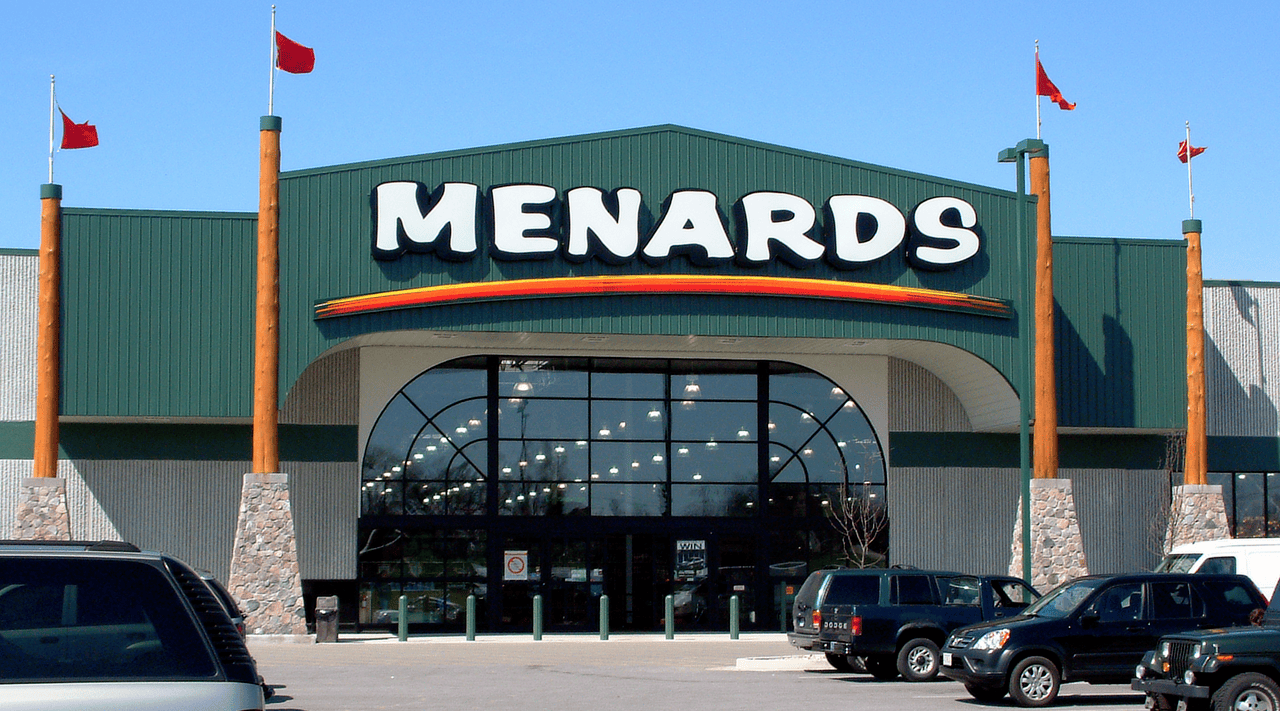
Menards posted a customer satisfaction score of 690 out of 1,000 in J.D. Power’s 2026 U.S. Home Improvement Retailer Satisfaction Study, edging out Home Depot’s 679 and Ace Hardware’s 673 to take the top spot for the first time. The overall industry average landed at 672, up just a single point from the year before, a sign that even as retailers spend on upgrades, shoppers aren’t feeling much more satisfied overall.

Shoppers Are Spending More Everywhere
The study, which surveyed 2,231 customers who’d bought home improvement products in the prior 12 months, also found the average amount spent at these retailers reached $1,617 in 2026, a jump of $278 compared with 2025. That’s a notable increase in a single year, and it lines up with what independent trade coverage of the same data found. Hardware Retailing, a trade publication that covered the study separately, confirmed the same Menards and Home Depot scores and noted the spending jump held across the industry, not just at one chain.
Price Sensitivity Is the Catch
J.D. Power’s own researchers frame the results as something of a paradox. Retailers made real, measurable improvements this year across services like buy-online-pickup-in-store, delivery, installation programs, and loyalty rewards, the kind of investments that would normally move satisfaction scores meaningfully. Instead, satisfaction barely budged, and trust in retailers actually declined year over year. “Although there have been meaningful gains in most operational areas, shoppers cannot ignore the rising prices,” said Michael Taylor, senior managing director at J.D. Power, in the company’s release announcing the results. He added that retailers who invest in knowledgeable, well-trained staff will be “best positioned to rebuild trust and drive long-term loyalty” going forward.
In plain terms: customers are willing to spend more per trip, but they’re watching the receipt closely, and no amount of new curbside pickup lanes fully offsets sticker shock at checkout. For Menards specifically, the win suggests its no-frills, rebate-heavy model, famously built around mail-in 11% rebates rather than everyday low pricing, is resonating with a shopper base that’s grown more price-conscious, even if it means doing more legwork to actually see the savings.
For homeowners planning a renovation or a big-ticket appliance purchase, the takeaway is straightforward: it’s worth cross-shopping beyond the two biggest national chains, since the retailer with the best prices on paper isn’t necessarily the one with the smoothest experience, and vice versa.