



A Miami mom walked into a beauty store expecting a quick, sparkly treat for her child and walked out stunned by how her daughter’s hair looked. Instead of subtle shimmer, the hair tinsel sat like a messy craft project, and she could not believe staff were comfortable sending a kid home like that. Her reaction, shared online, struck a chord with parents who rely on big chains to deliver safe, polished services for their kids.
The incident has turned a seemingly harmless trend into a conversation about training, expectations, and what happens when a beauty add on collides with real world customer service. Parents now find themselves weighing the convenience of a one stop shop against the risk that a stylist might treat a child’s hair like a low stakes experiment.

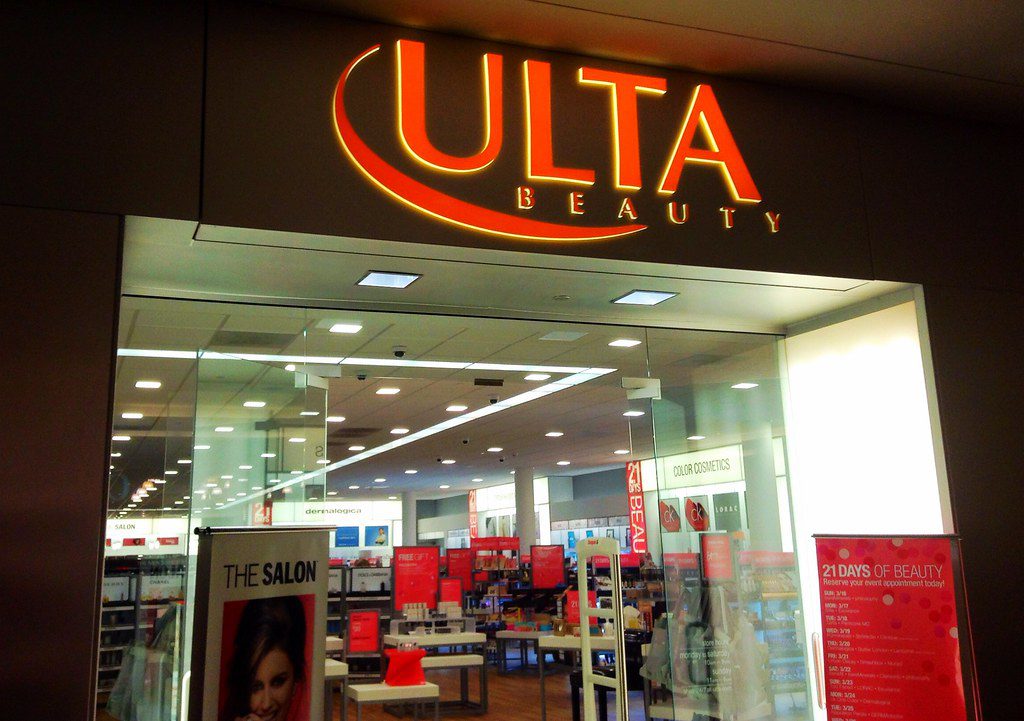
What happened at the Miami Ulta and why it struck a nerve
The Miami visit started like countless family salon trips, with a mom trying to give her daughter a fun moment and a bit of sparkle. Hair tinsel has become a go to for kids who want color and shine without bleach or dye, so booking it at a national chain felt like a safe bet. Instead, the mom later shared that when she saw the finished look, her first thought was, “What the hell is this?”, a reaction that captured just how far the result fell from what she had pictured for her child.
According to the account highlighted in coverage of hair tinsel in, the strands did not blend into the girl’s natural hair at all and instead stuck out in obvious clumps. The story describes how the stylist at Ulta finished the service and let the girl leave the store with tinsel that looked poorly placed and loosely tied. That detail, that staff saw the final style and still considered it acceptable, is what pushed the clip into viral territory and fueled the sense that parents cannot always trust a recognizable logo to guarantee basic quality.
What Ulta promises and where hair tinsel fits in
Part of the frustration comes from the gap between what customers think they are buying and what the service menu actually covers. Ulta promotes its in store salon as a place for professional haircut and styling services, with trained stylists who can handle everything from trims to blowouts. Hair tinsel is often treated as a quick add on, a small upsell that can be tacked onto a regular appointment, which can tempt staff to see it as low stakes rather than a technical service that still requires skill.
The Miami story suggests that when a stylist is not fully comfortable with the technique, the result can look more like party store confetti than a salon finish. Parents reading about the tinsel that did not blend into the child’s hair are left wondering how much oversight exists for these extras and whether a stylist who is solid on cuts and color gets any formal training on trend driven services. The chain’s internal systems, such as the storead portal and the appointment tools tied to the beauty services login, signal a polished operation, yet the Miami case shows how a single rushed or undertrained execution can undercut that image in a few seconds of video.
How social media turned one bad tinsel job into a wider warning
Once the Miami mom shared her daughter’s hair online, the reaction moved quickly from disbelief to collective quality control. Viewers were not just critiquing the look; they were asking why anyone behind the chair thought it was okay to send a child out with tinsel that looked tangled and uneven. The clip was picked up and discussed by outlets that regularly surface viral culture stories, and the conversation spilled into broader feeds where parents swap salon recommendations and horror stories.
Accounts connected to those outlets, including the main feed at TheMarySue on Twitter and the matching page on Facebook, helped push the debate into timelines where beauty trends and parenting talk already overlap. From there, commenters compared the Miami result with their own experiences at Ulta and at independent salons, some sharing photos of neatly installed tinsel and others posting their own before and after shots that looked uncomfortably similar to the viral clip. The same community that buys merch from places like shop Spreadshirt or follows posts on Tumblr now had a fresh cautionary tale to pass around.
More from Decluttering Mom: