

Buying a used car is stressful enough without discovering that the work a dealer promised was never really done. A mobile mechanic who goes by @cantstopmobile shared a long account of what happened when he and his girlfriend bought a car, and it is full of lessons for anyone shopping for a vehicle.

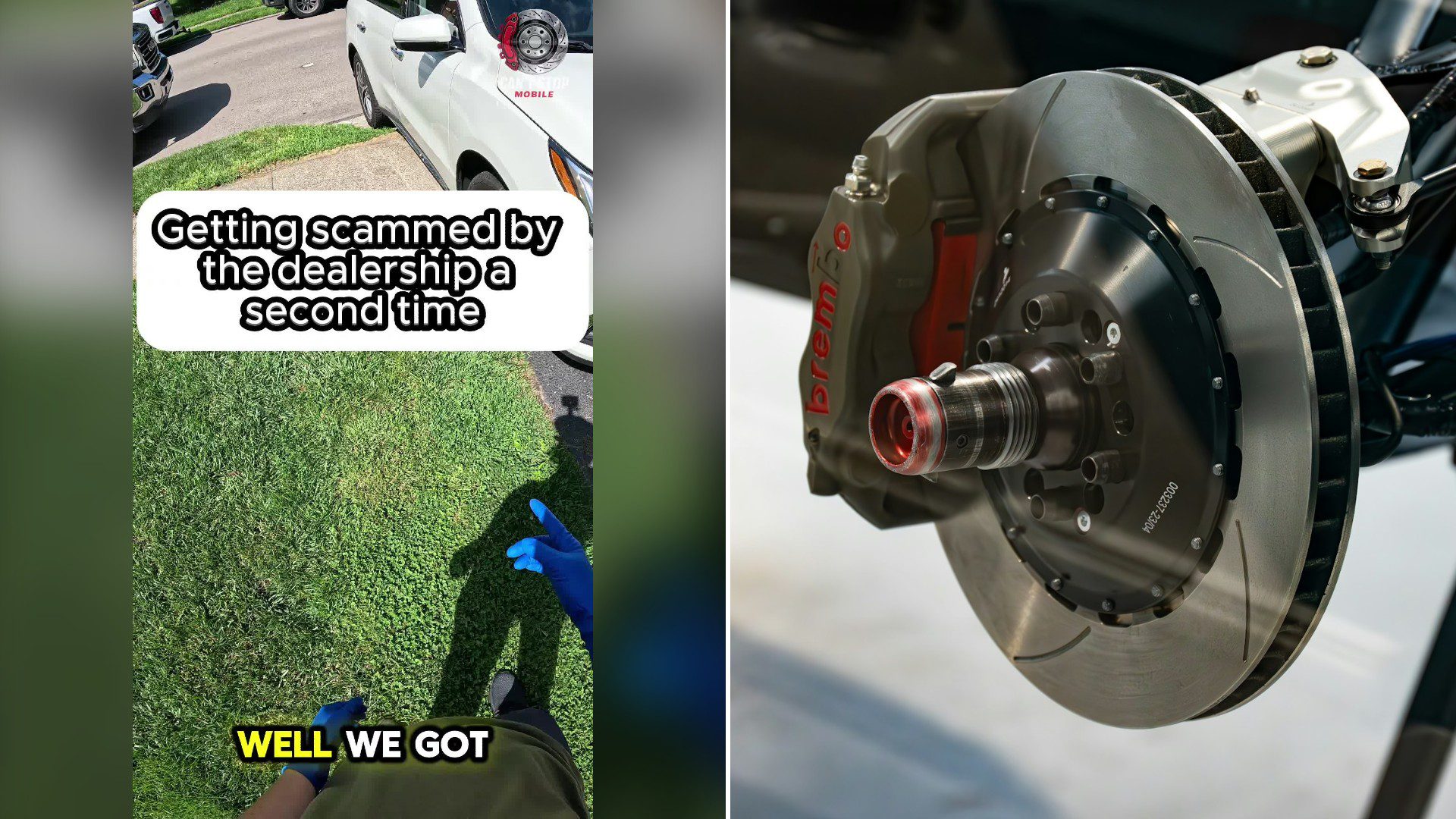
He described the whole experience as being scammed by a dealership. Here is the story in order, along with some general tips for car buyers and for anyone who wants to protect themselves when a seller points to an inspection report.
@cantstopmobile
A Pre Purchase Inspection in the Parking Lot
The creator went with his girlfriend to the dealership to look over a car she planned to buy. Because the dealership would not let him lift the car or take anything apart, his inspection was visual only, done in the parking lot. Even so, he could tell that every brake on the car was completely worn out.
When he told the salesman, the response was that the dealership’s 300 point inspection said the brakes were fine. The report listed 6 millimeters in the front and 5 millimeters in the rear. The creator insisted he was a mechanic and the brakes needed to be replaced. The salesman refused to budge, said the service department was fantastic and suggested the couple was just trying to push the price down.
Buying Anyway
The rest of the car looked great to him. He described no paint damage, a perfect interior, low mileage, brand new tires and a top trim package. His thinking was that the worst case would be putting on brakes in a year or so, and as a mechanic he could do that for about three hundred dollars. Since they could not verify the report, they went ahead with the purchase.
Then, about five minutes before his girlfriend pulled into her parking lot after leaving the dealership, the brakes began making a terrible grinding noise. They knew right away that something was wrong.
Proof and a Reversal
He took off the wheels, recorded a full brake inspection and brought the proof to the dealership. He reported that the rear pads were at zero percent, bare metal, and the front pads had maybe ten percent left. He had also said that the calipers were extremely rusty and likely needed replacing soon.
To his surprise, the dealership called back and said it would replace the brakes all the way around, admitting that its service department had not done a good job. He and his girlfriend assumed that would include the calipers, given their condition.
Paint Over Rust
When the car came back, he audited the work. The pads and rotors had been replaced, and he gave the dealership credit for that. But the calipers had not been replaced. They had simply been painted. From a distance they looked new, but up close the paint covered heavy rust. He called it worse than a bandage, saying it was more like rubbing dirt on a wound.
Soon after, his girlfriend drove about twenty minutes down the road and called to say she smelled brakes and one tire was very hot. The calipers were locking up. He checked and found a piston that would not compress at all. He noted that it was lucky the new rotors and pads were not damaged, though the marks from dragging were visible.
The Repair and the Cost
He replaced the calipers himself, at no charge for labor since it was his girlfriend’s car. He said the parts ran about an extra hundred and fifty dollars per caliper, plus a new hose, and he and his girlfriend bled the brakes together. He estimated a shop would have charged eight hundred dollars or more for the job. He suspects a dealer would have recommended caliper replacement as an upsell if a customer had brought the car in, and he invited people who work at dealerships to share their thoughts.
Tips for Buying a Used Car
Every purchase is different, but the story suggests several general precautions.
- Book an independent pre purchase inspection with a mechanic you trust, ideally with the car on a lift.
- Ask the seller to allow a short test drive and, if possible, a drive to an independent shop before you sign.
- Request copies of the dealer’s inspection report and any service records, and compare them with what you see.
- Look at brake components closely, including pad thickness, rotor condition and any rust or uneven wear on calipers.
- Get promises in writing. If a dealer agrees to fix something, list exactly which parts will be replaced.
- After any repair, have an independent mechanic check that the work matches the invoice.
- Learn about the warranty or return policy before you buy, and keep all paperwork.
- Do not wait on maintenance. Early attention to worn brake parts is usually cheaper and safer than an emergency fix.
The Bottom Line
The creator’s conclusion was that it comes down to preventative maintenance and honest repairs. A cosmetic fix does not make a part safe, and a report is only as good as the person who checks the car. If you hear a professional tell you that something is unsafe, it is worth listening, even when the paperwork says otherwise.