


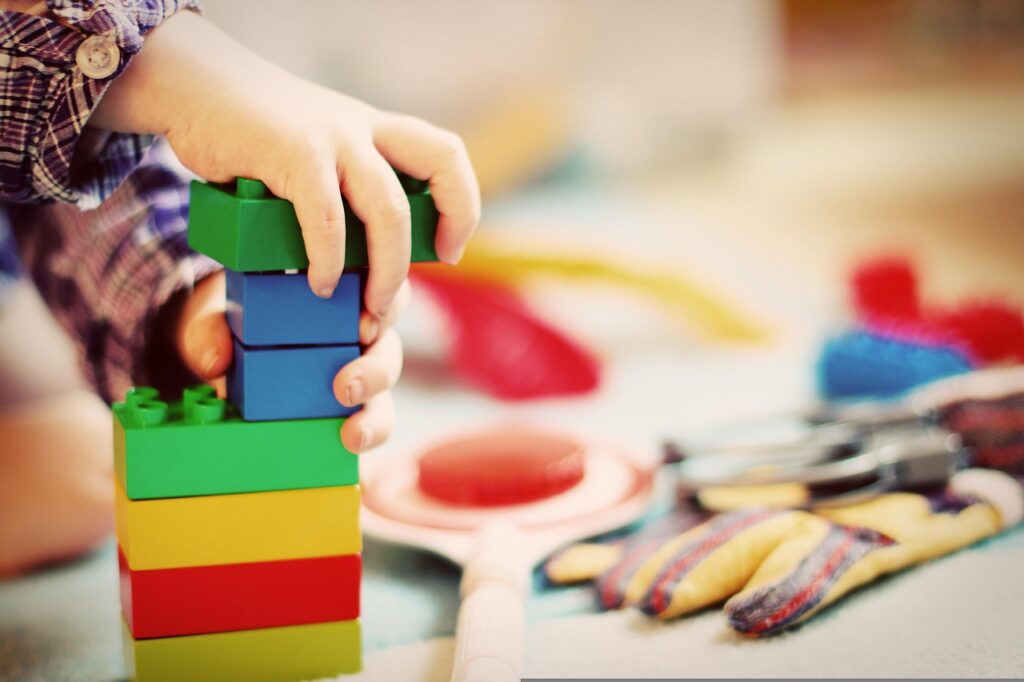
You probably expect flashy gadgets or batteries-first toys to win your toddler’s attention, but parents report something simpler holds up day after day. The most common everyday toy is a basic, open-ended item — think blocks, a small set of stacking cups, or a plush that doubles as comfort and pretend-play partner.
They say these toys fit into every part of a two-year-old’s day: solo exploration, game-like interaction, and quick clean-up. The rest of the article explores why those simple pieces outlast the noisy, complicated options and how to choose one that actually gets played with every day.

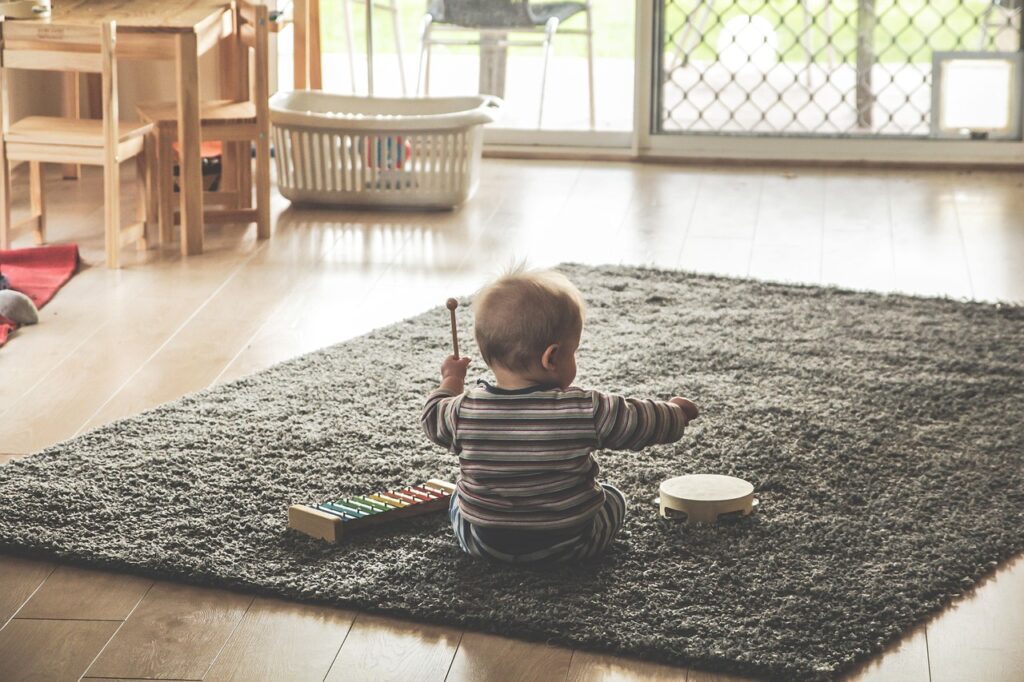
What Toy Does Your 2-Year-Old Actually Play With Every Day?
Parents report small, repeatable favorites that show up in daily play routines. These choices reveal what holds attention: ease of use, sensory feedback, and chances for simple imagination.
Real Parent Stories and Surprising Favorites
One mom says her son carries a single wooden spoon everywhere and pretends it’s a microphone, a drumstick, or a magic wand. Another parent reports a plain cardboard box became a fort, a car, and a puppet theater for weeks. These items require no batteries and survive rough handling, which matters for toddlers who test limits constantly.
Several caregivers mention chunky stacking cups and a soft ball as daily essentials. Stacking cups double as pouring toys in the tub; the ball gauges motor skills in short bursts of running. Parents note repeat use often comes from multi-function and easy cleanup.
Why Simple Toys Win Over Flashy Gadgets
Toddlers prefer toys they can control quickly. Simple toys offer immediate cause-and-effect: drop a cup, hear a clack; press a button, hear a predictable sound. Flashy gadgets often demand fine motor precision or sustained attention, which two-year-olds typically don’t have yet.
Low-friction design matters: open-ended toys resist boredom because a child can repurpose them repeatedly. Durability also ranks high—wood, thick plastic, and soft fabric stay in rotation longer than complex electronics that break or lose batteries.
How Play Habits Change With Age
At 24 months, toddlers shift from solitary exploration to brief parallel play near peers. The same wooden spoon that served solo pretend play becomes shared during side-by-side snack preparation or “cooking” with friends. Parents see more role-play and longer pretend sequences over several weeks.
By 30–36 months, children start liking toys that support stories: dolls with removable clothes, toy animals, and simple trains. These items extend playtime because they encourage dialogue, sequence-building, and social pretending, matching emerging language and memory skills.
Finding the Perfect Everyday Toy
Parents prioritize durability, safety, and ease of cleanup when picking an everyday toy. They also look for something that fits small hands, holds attention for more than five minutes, and works in short play sessions.
Tips From Experienced Parents
Many parents recommend choosing one or two go-to toys rather than a large collection. They mention a wooden push toy, a soft stacking set, or a simple ride-on as items a 2-year-old returns to daily. Rotation helps maintain interest: keep most toys out of sight and swap them weekly.
Look for toys that are easy to pick up and put away. Parents value pieces without small parts, machine-washable fabric, and items that withstand chewing and throwing. Price matters, but longevity matters more; spending a little more on a well-built toy often saves time and frustration.
Features That Truly Matter for Toddlers
Safety ratings, rounded edges, non-toxic paint, and size-appropriate pieces top the list. Weight and grip matter: 2-year-olds need toys light enough to lift and with chunky parts they can grasp. Noise level also matters — parents prefer toys with volume control or none at all.
Simple mechanics beat complex electronics at this age. Pull strings, large buttons, sliding parts, and nesting shapes teach cause-and-effect. Look for washable surfaces and parts that don’t trap food or liquids to keep hygiene manageable.
Toys That Encourage Imagination and Learning
Open-ended toys foster creativity and longer engagement. Blocks, soft dolls, wooden trains, and simple kitchen sets let toddlers act out daily routines and practice language. These types of toys support problem-solving and early storytelling without scripted play.
Choose items that grow with the child: stackers that turn into counting tools, puzzles that increase in difficulty, or a set of pretend-food pieces that encourage vocabulary. Colorful but realistic sets encourage naming and sorting, which builds early math and language skills.
More from Cultivated Comfort:
- 7 Vintage Home Items From the ’60s That Are Collectors’ Dream Finds
- 7 Vintage Home Goods That Became Collectors’ Gold
- 7 Fast-Food Chains That Changed for the Worse
- 7 Frozen Dinners That Were Better Back in the Day