

Four months after giving birth, with her baby still in her arms, this mother got news she wasn’t prepared for: she was pregnant again. Her reaction, filmed in the moment, is raw, unfiltered, and immediately recognizable to anyone who has faced an unexpected pregnancy while still deep in newborn recovery.

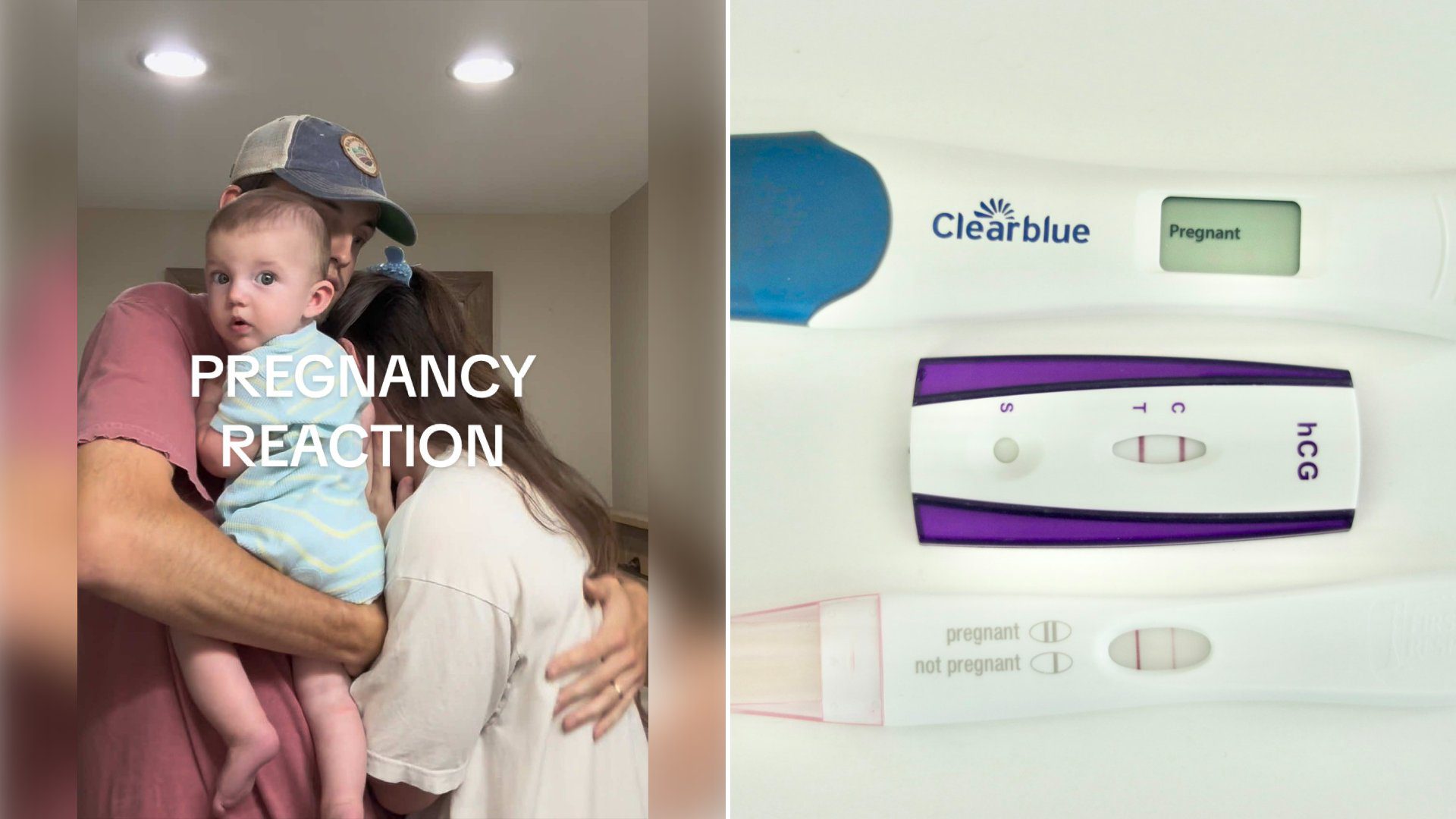
In the video from @mollymccoytaylor, she documents the shock as it happens, her baby still in her arms, processing the news in real time rather than after she’s had a chance to compose herself for the camera. There’s no narration smoothing over the reaction, just the honest, overwhelmed response of someone absorbing life-changing news while still physically and emotionally recovering from the last delivery.
@mollymccoytaylor
Short-interval pregnancies, generally defined as conceiving again within roughly a year to eighteen months of a previous birth, are more common than many people assume. A significant share of pregnancies in the United States are unplanned, and that rate does not drop to zero simply because a woman has recently given birth, particularly during the postpartum window when fertility can return before a new mother expects it, sometimes even before her period resumes, especially if she isn’t exclusively breastfeeding on a schedule that suppresses ovulation.
Medical guidance from obstetric organizations generally recommends spacing pregnancies at least eighteen months apart when possible, because research has linked shorter intervals, especially under twelve months, with higher risks of complications including preterm birth, low birth weight, and reduced recovery time for the mother’s body to replenish nutrient stores and allow tissues, including a cesarean scar if applicable, to fully heal. A four-month gap between delivery and a new pregnancy falls well under that recommended window, which is part of why the shock in this video carries real medical weight on top of the obvious emotional and logistical overwhelm.
The physical reality compounds quickly for a mother in this situation. She would be managing a second pregnancy’s early fatigue and hormonal shifts while her body is still actively recovering from the first birth and while caring for an infant who still needs constant feeding, holding, and overnight attention. Sleep debt from the newborn stage doesn’t pause for a new pregnancy, and the physical demands of lifting and caring for an infant continue throughout a pregnancy that technically calls for more rest, not less, creating a genuinely difficult overlap that most pregnancy advice isn’t written to address.
There’s also a less discussed emotional layer that mental health professionals who work with postpartum families point to: grief or anxiety about losing the limited bandwidth a parent has for the child already here, worry about how to physically and financially manage two children so close in age, and simple shock at a body doing something unexpected again so soon after an intense physical event. None of that reflects ingratitude toward either pregnancy, it reflects the genuine complexity of facing major, overlapping life changes with almost no recovery buffer in between.
This video resonates because it captures that complexity honestly, without rushing to a tidy, grateful conclusion. Other parents who’ve lived through a close pregnancy gap recognize the specific blend of shock, fear, and disbelief in her reaction immediately, and for viewers who haven’t been through it, the video offers a rare, unscripted look at how disorienting that kind of news actually is in the moment it lands.
More from Decluttering Mom
- Mom Who Told Her Own Mother She Was Pregnant With Baby Number Four Just 8 Months After Her Husband’s Vasectomy Now Shows Grandma Holding Their Little Surprise
- Mom Lying in a Hospital Bed Beside Her Newborn Twins Looks at a Photo of Her Toddler on Her Phone and Says No One Prepared Her for the Grief of Her Firstborn Not Being Her Baby
- Mom Says She Was Already in Early Labor While Filming Herself Caring for Her Baby Chicks and Did Not Realize It Until Hours Later, Then Shares How Her Unmedicated Midwife Birth Went