


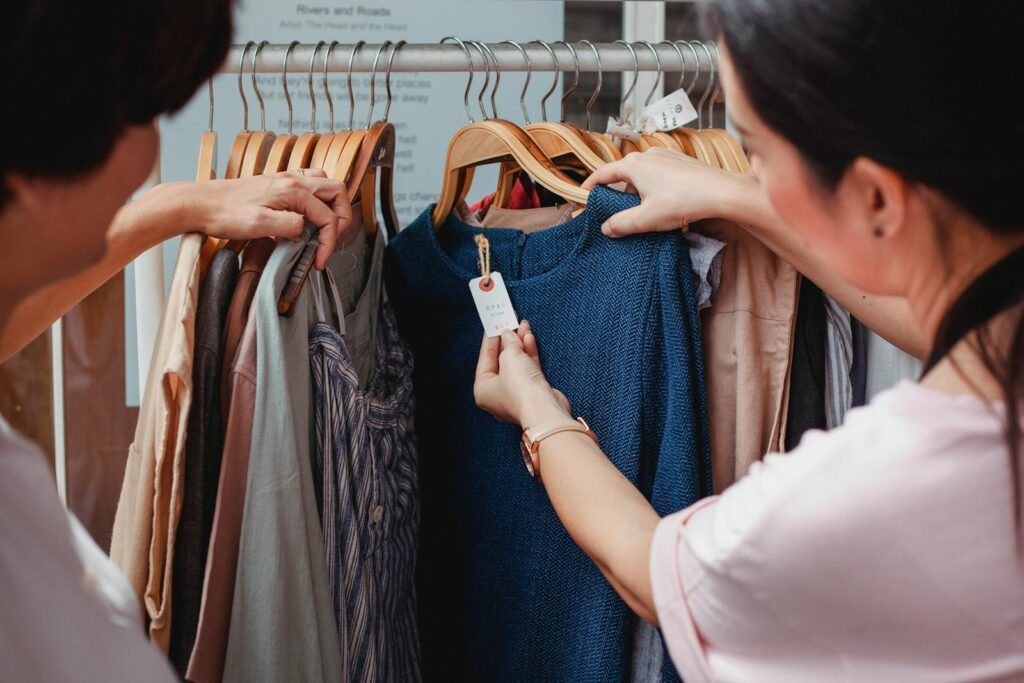
A mom just trying to grab a few pairs of kids’ shorts for an unusually warm stretch of late winter weather ended up spiraling over something a lot of shoppers would probably find instantly irritating: the clothes had no visible price tags, and the shorts were more expensive than they were last year.
She was shopping for her 5-year-old and 8-year-old after her state started seeing 80-degree days way earlier than expected, and what should have been a quick Walmart stop turned into a full-on rant about how hard it now feels to buy basic kids’ clothes without feeling like you are getting played.

She Went In for a Few Warm-Weather Basics and Walked Into a Pricing Mess
In her post on Reddit, the mom explained that she is not a frequent Walmart shopper, but she remembered last year’s children’s clothing section looking a lot more straightforward. This time, though, she says the shorts had no prices on them at all.
That was what really set her off.
Instead of being able to glance at a tag and decide whether a few pairs were worth tossing into the cart, she says shoppers now have to either track down an employee to scan the item or wait until checkout to learn the actual price. To her, that did not just feel inconvenient. It felt shady. She even said it made her feel like the store could technically change the price during the day and customers would have no easy way of knowing.
The part that made it sting more was the actual cost. She said the shorts were about four dollars more per pair than what she remembered seeing in 2025, which turned a basic seasonal restock into one of those small shopping moments that suddenly makes everything feel more expensive than it should.
The Missing Tags Made the Whole Shopping Trip Feel Worse Than the Higher Prices
What makes the post so relatable is that it is not just about one pair of shorts.
It is about that specific kind of shopping frustration where the price is hidden, the total keeps climbing, and you start wondering whether the whole system is designed to make you give up and buy the item anyway. The mom was not just venting about inflation. She was reacting to the feeling that the store had removed one of the most basic things a shopper should be able to see before buying anything.
That is why her question hit such a nerve. She asked whether other parents stop shopping at stores that do not clearly show clothing prices, or whether most people have either not run into this yet or just roll with it as part of shopping now.
A Lot of Parents Said They Have Already Given Up on Buying Kids’ Clothes New
The replies quickly turned into a bigger conversation about where parents even shop for kids anymore.
A lot of people said no visible pricing feels shady, especially for families already trying to stretch a budget. Others said they have mostly abandoned buying new children’s clothes altogether and now rely on thrift stores, consignment shops, Facebook Marketplace lots, garage sales, or hand-me-downs because kids outgrow everything too fast to justify full retail.
There was also a lot of pushback from parents who said secondhand is not always the magic answer either, since some thrift and resale shops are now charging close to new-store prices. That made the whole thread feel less like one mom complaining about shorts and more like a bigger parenting-money problem: even basic clothes for growing kids are starting to feel weirdly hard to shop for, whether you buy them new or used.
More from Decluttering Mom: