


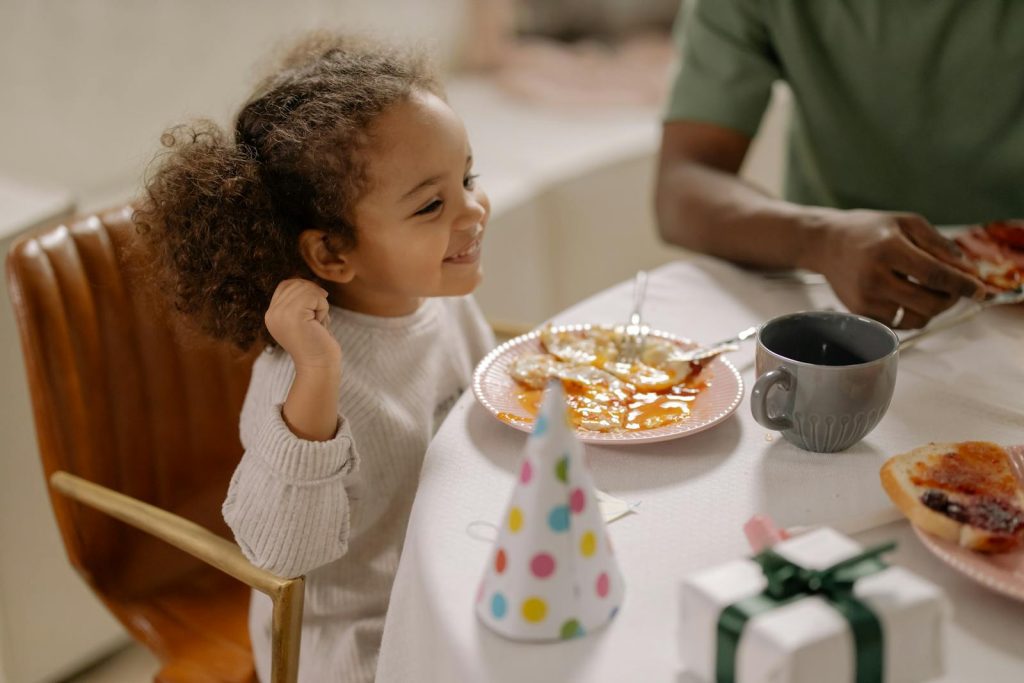
A mom of a 3‑year‑old thought she had cracked the code to peaceful dinners: when her toddler refused soup, she quietly made a separate plate so the child would still eat something. Now her husband is accusing her of “giving in,” and the debate over that extra meal has turned into a referendum on their whole parenting style. Their standoff taps into a bigger question many families wrestle with, which is how far to bend for a picky eater without turning every dinner into a power struggle.
At the center is a little girl who eats well in general but draws a hard line at soup and “soup‑ish things,” and parents who love her, yet see the solution very differently. The mom believes flexibility keeps meals calm and proves their daughter is not actually picky, while her partner worries that customizing dinner teaches their child that any disliked food can be swapped out on demand.


The soup standoff and what experts say about “giving in”
According to the mom’s account, the conflict started with a simple pattern: the family would serve soup, their daughter would refuse it, and instead of forcing the issue, Mom would put together a small alternative meal so the 3‑year‑old did not go to bed hungry. She insists the problem is limited to soup and similar textures, and that her child eats a wide range of other foods, which is why she pushes back when her husband claims they are raising a picky eater. In her view, the extra plate is a practical compromise, not a sign that she is caving, and she has turned to an online community for feedback after he argued that Now, Her Husband.
Her husband’s concern is familiar to many parents: if a child learns that refusing dinner leads to a custom alternative, will that pattern spread from soup to vegetables, then to anything that is not chicken nuggets and fries. In another version of the story shared through a syndication partner, the mom notes that she is careful not to offer junk food and does not believe the accommodation will cause their daughter to become picky. She frames it as respecting a single, consistent dislike, not opening the door to endless negotiation.
Raising healthy eaters without turning dinner into a battleground
Child nutrition specialists tend to land somewhere between these two parents. Guidance from pediatric dietitians stresses that parents are in charge of what is served, while kids decide whether and how much to eat. One major health system notes that instead of pressuring kids to clean their plates, caregivers should let children learn to eat in their own way and keep mealtime tactics consistent, since Instead of forcing bites, the goal is to help kids tune in to hunger and fullness cues. That approach suggests the husband’s instinct to hold a line on “one family meal” has some backing, but so does the mom’s refusal to strong‑arm her daughter into soup.
Another children’s hospital goes further, warning caregivers explicitly, “Do Not Force Your Child” to Eat. Forcing kids to eat when they are not hungry, or to choke down foods that trigger gagging or distress, can backfire and reinforce poor eating habits or anxiety around the table. In that light, the mom’s workaround looks less like indulgence and more like an attempt to protect the overall mealtime atmosphere, even if the logistics of cooking a second dish are wearing on her and irritating her partner.
When food fights turn into parenting fights
Underneath the soup issue is a deeper clash over authority and teamwork. Relationship counselors warn that when one parent routinely overrides the other in front of the kids, it can feel like an attack, even if the intention is simply to comfort a child. One parenting expert responding to a reader named Matt November wrote that a simple Reply about discipline can spiral into resentment if partners do not agree on the rules. The number 32 appears in that discussion as a reminder that even a short comment thread can reveal how many different ways parents interpret the same moment of “undermining.”
Online, other caregivers have chimed in with their own war stories. In one thread on a toddler forum, a parent posting in Jan described how a partner’s refusal to back them up on basic boundaries, like stopping a child from throwing or spitting at a baby sibling, felt less like a minor disagreement and more like neglect of the younger child’s safety, adding that they would never make French fries the reward for bad behavior. Compared with that scenario, a second dinner for a soup‑averse preschooler may sound tame, but the emotional charge is similar: each parent worries that the other’s approach sends the wrong long‑term message.
Finding a middle ground that respects both the child and the parents
There is also a generational layer to this debate. Many adults grew up in homes where parents ate last, stretching food so kids had enough, and where no one questioned the idea that caregivers would quietly sacrifice for their children. One personal essay recalls that While the children would fight over the food, their mother always ate last to ensure her children had enough to eat, and that when the meal was scarce, she made sure her children were fed before herself. That instinct to prioritize a child’s full belly is clearly driving the soup‑side mom, even as modern parenting advice urges families to balance empathy with consistent boundaries.
For this couple, a compromise might look like serving soup alongside at least one “safe” side the child usually accepts, so there is no need to cook a totally separate meal. They could agree that the daughter is never forced to taste the soup, but also that there will not always be a custom replacement if she skips it. The mom has already said that, However, She disagrees with the idea that her daughter is broadly picky and that honoring a single strong dislike is reasonable, a point she raised when she asked for any advice from strangers. If both parents can agree on a shared script and stick to it, their daughter will get a clear message about food, and they might finally get through dinner without turning one bowl of soup into a referendum on their entire parenting philosophy.
More from Decluttering Mom: