

Creator @lifewithbreelynn, a mom of four, isn’t dressing this one up. Her video walks through a genuinely no-frills Friday night dinner built entirely around frozen Salisbury steak, canned vegetables, and a few other packaged shortcuts pulled straight from the pantry and freezer. She calls it exactly what it is, a lazy dinner, and makes no attempt to pretend it’s anything fancier.

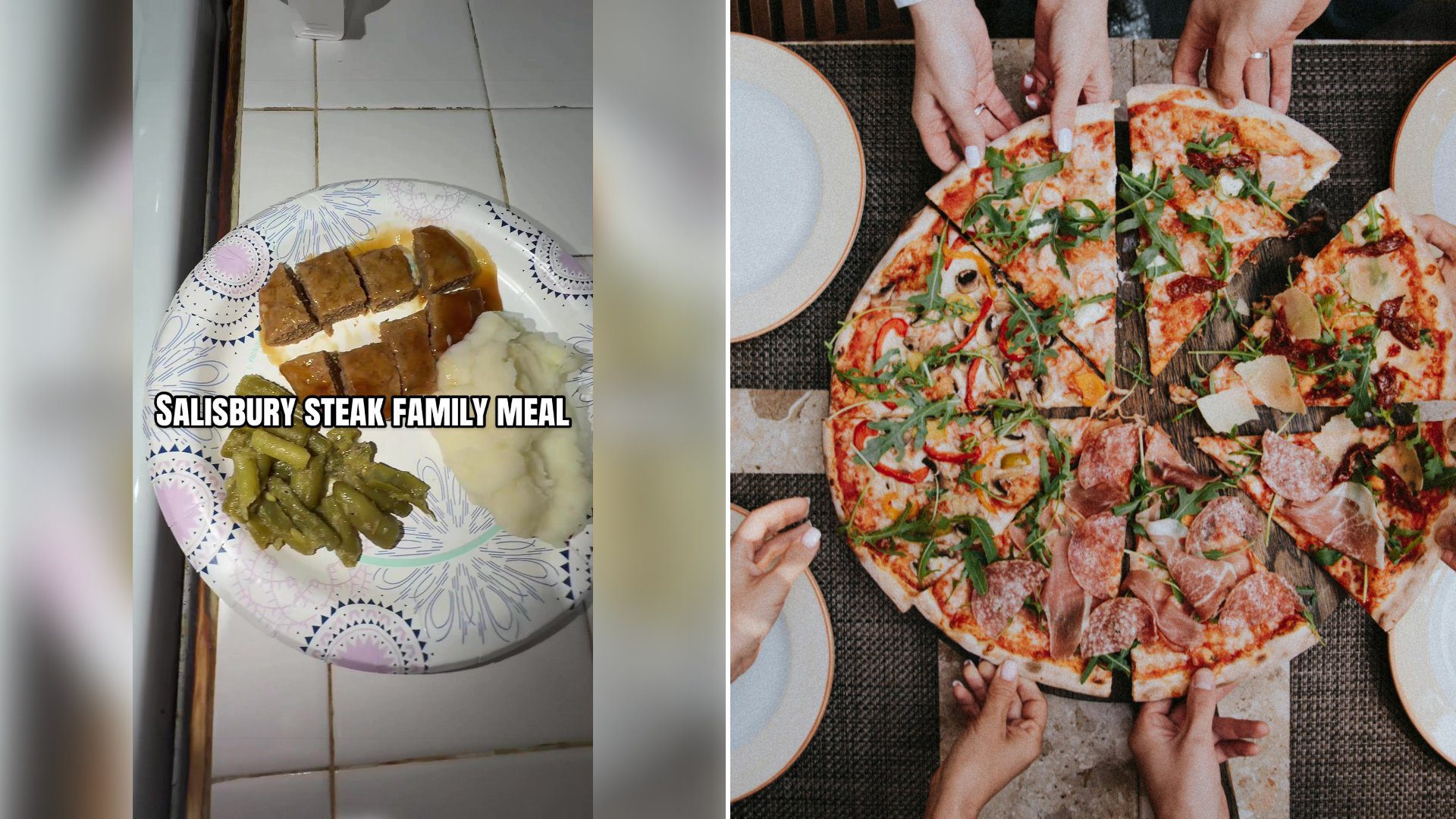
For a family of four at the end of a long week, that honesty is the whole point of the video, not something she’s apologizing for.
@lifewithbreelynn
Surveys and research on American eating habits have repeatedly found that convenience and packaged foods play a much bigger role in the average family’s weekly dinner rotation than the polished image of home cooking usually suggests. National nutrition surveys conducted by U.S. health agencies have shown that a large share of the calories Americans eat at home come from ultra-processed and convenience foods, a category that includes frozen entrees, canned vegetables, and other shelf-stable shortcuts exactly like the ones in this video. Grocery and food-industry commentary has also pointed to end-of-week fatigue as a likely driver of higher frozen and convenience meal sales, as families hit the end of a work and school week with less energy, less time, and less patience for a from-scratch meal.
Registered dietitians who work with busy families tend to push back on the idea that a convenience meal automatically counts as a bad one. The actual nutritional gap between a canned vegetable and a fresh one is often smaller than people assume, since canning locks in nutrients at the point of harvest and many canned vegetables retain most of their vitamin and mineral content, aside from some loss of heat-sensitive vitamins like vitamin C. The bigger nutrition factors dietitians generally point to are portion size, added sodium, which can run high in canned goods and frozen entrees and is worth checking on nutrition labels, and whether a meal gets balanced out with something fresh on the side, like a quick salad or a piece of fruit, rather than whether every component was made entirely from scratch.
There’s also a mental load argument underneath videos like this one that resonates with a lot of parents. Family and nutrition researchers who study household routines point out that the pressure to cook an elaborate, fully from-scratch dinner every single night is a relatively modern expectation, one that doesn’t match how most households actually operated even a generation or two ago, when canned goods and simple shortcuts were a normal part of weekly meal planning rather than something to hide. Giving yourself permission to have one or two low-effort dinners built around frozen and canned staples each week is, in a lot of dietitians’ view, a sustainable habit rather than a failure, especially compared to the alternative of skipping dinner altogether or reaching for takeout on a night when energy has already run out.
For a mom managing four kids’ schedules, a lazy dinner on a Friday isn’t a lapse in standards. It’s a realistic acknowledgment that not every night can be a from-scratch production, and that feeding a family something warm, filling, and ready in minutes counts as a win on the nights that call for exactly that.
More from Decluttering Mom
- Mom Makes a Budget Friendly Spaghetti Dinner for Her Family of Four in Her New Home and Breaks Down What the Whole Meal Cost and Why It Matters
- Mom Cooks a Giant Pot of Bean Soup in a Slow Cooker for Her Family of Seven and Breaks Down How Little It Costs To Feed Everyone and Why It Matters
- Mom Makes a Big Batch of Freezer Breakfast Sandwiches in One Session and Shows How She Stores and Reheats Them for Busy School Mornings and Why It Matters