Most people think the hard part of decluttering is the lifting, the sorting and the trips to the donation center. A mom of four says that is not it at all. In a video shared by @theminimalists, she explains why the stuff is the easy part.
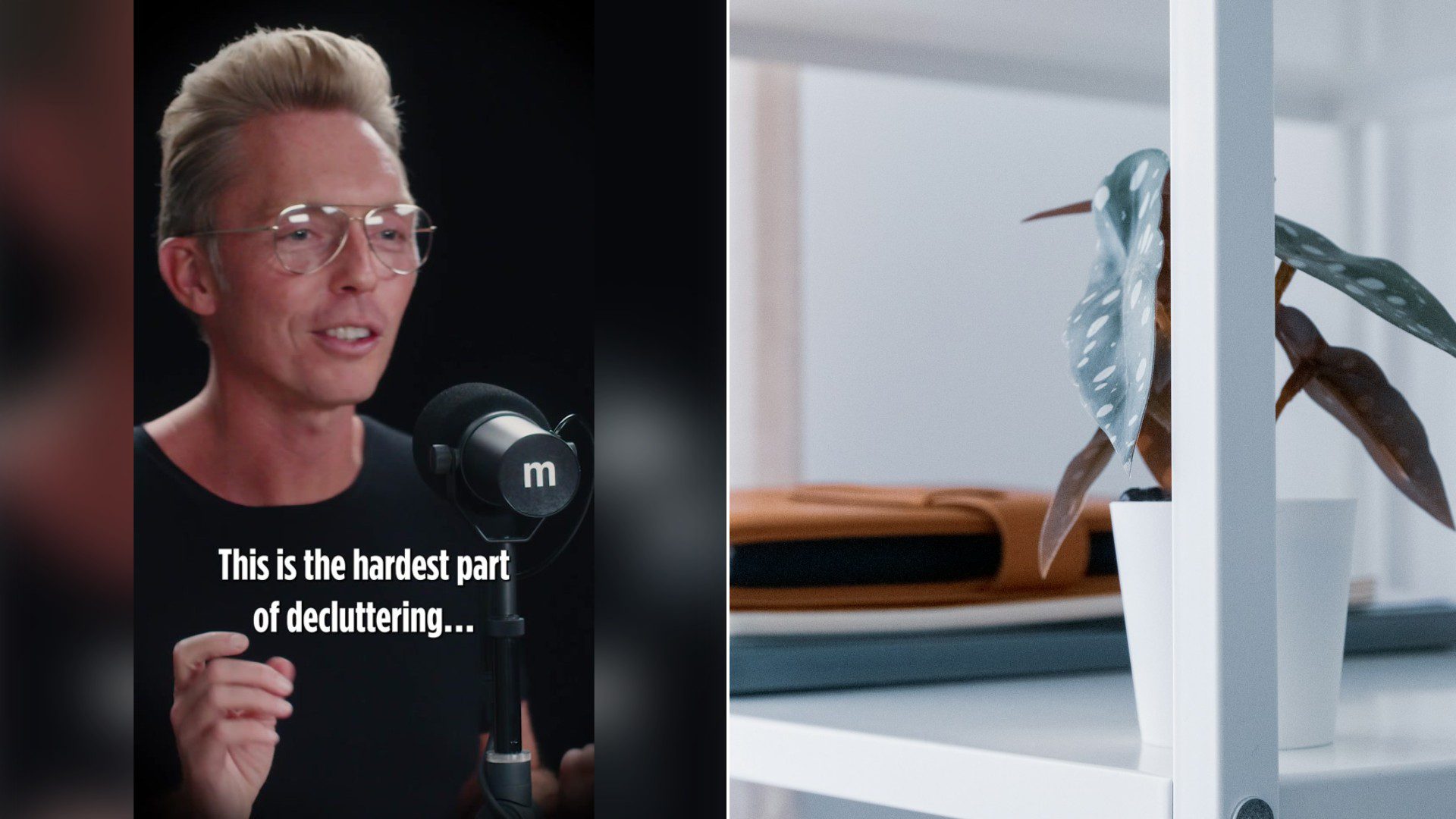
“Maybe this is a hot take,” she says, “but I think we’re using our homes to store emotions that we don’t want to deal with.”
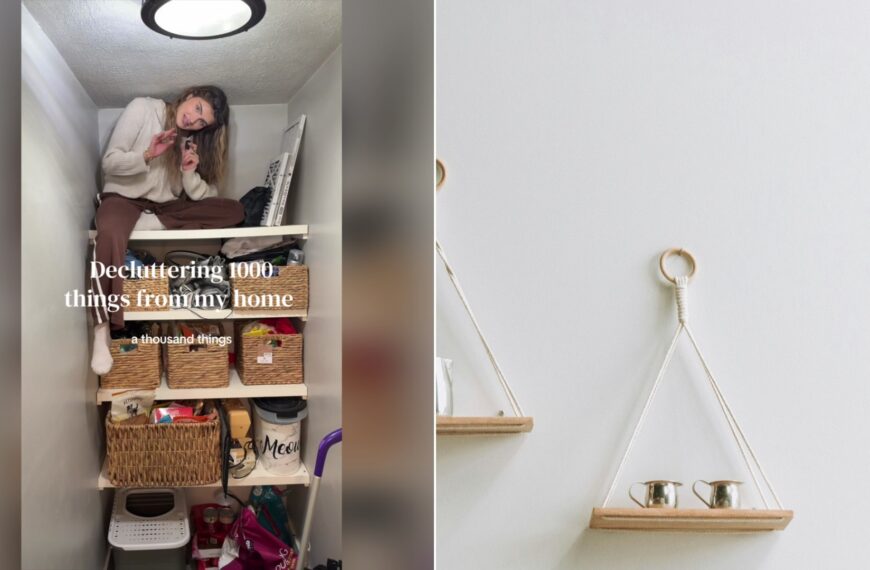
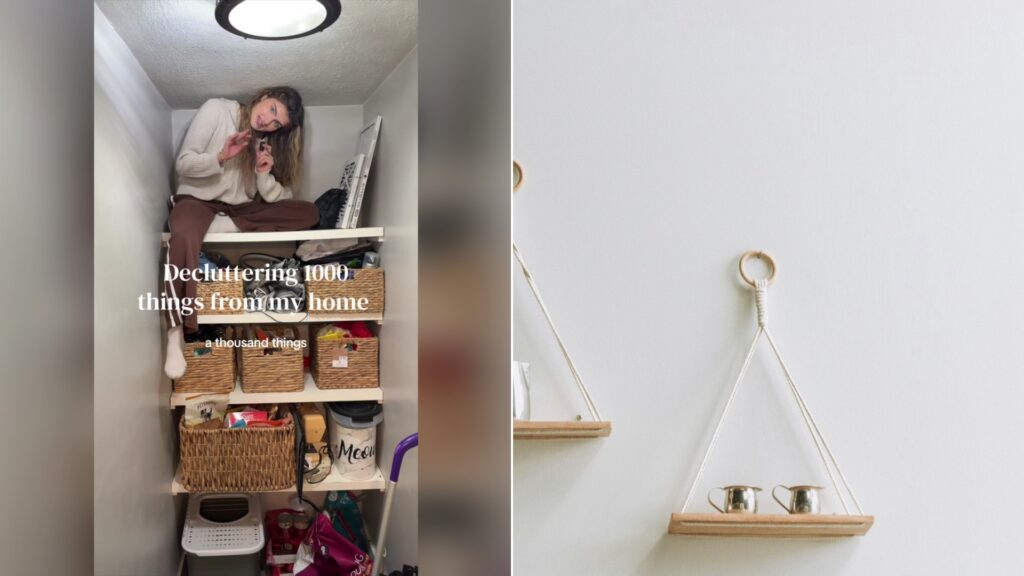
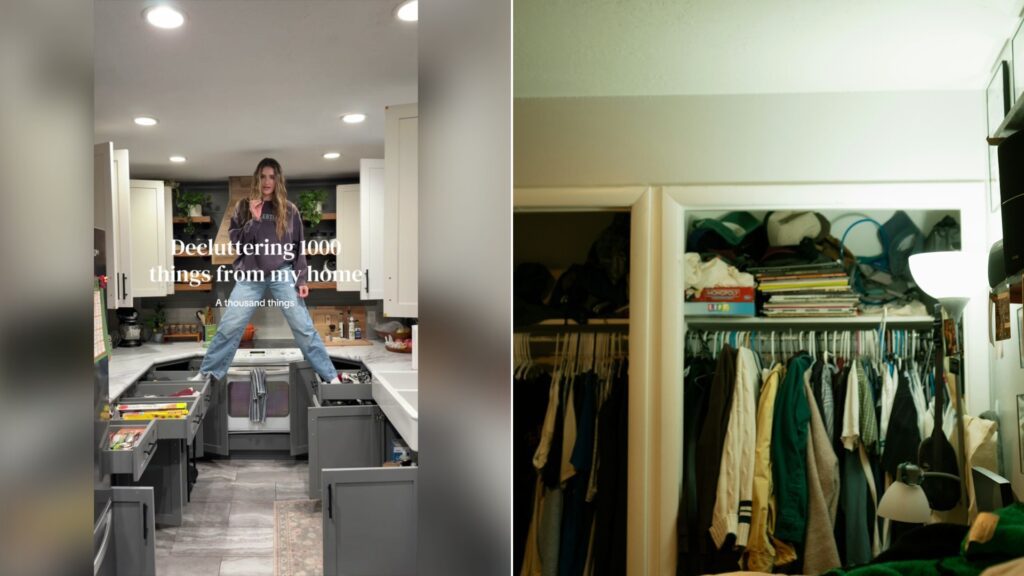
She introduces herself as Laura, a mom of four, and says that this October she has been documenting her effort to get rid of at least 500 things from her home.
@theminimalists
With About 100 Items Left To Go, She Says The Real Struggle Is Not The Stuff
Laura says her family only has about 100 items left to go on the 500 goal. That is the stretch where she noticed something she did not expect.
“I don’t think the hardest part of decluttering is actually getting rid of things,” she says. “I think it’s confronting all the emotions attached to them.”
It is a simple idea, and it explains why a closet can sit untouched for years even when everyone agrees it is full.
Guilt Over Money Wasted And Gifts You Never Liked
Laura lists the feelings that cling to our belongings. The first is the guilt of money wasted, the item you paid good money for and never used.
Next is the gift you never really liked. Getting rid of it can feel like rejecting the person who gave it to you.
These two are the most common reasons people hold on to things they will never use, and she says plainly that they are emotions, not storage problems.
The Books, The Workouts And The Hobbies Of A Person You Meant To Become
Then she gets to the part that hits closer to home. There are the books you swore you would read, the workouts you planned to do and the hobbies you meant to start.
She says all of these things represent versions of yourself that you genuinely intended to become, “but never quite did.”
That is a gentle way to describe the stack of unread novels or the unopened craft kit. They are not just objects. They are small promises to ourselves.
Kids’ Clothes And The Reminder That They Will Never Be That Little Again
As a mom of four, Laura also names the one that stings the most. Going through her kids’ clothes, she says, means realizing they are never going to be that little again.
Many parents know the feeling of holding a tiny sweater and not being able to put it in the donate bag.
Her answer is honest. She says keeping those things does not change any of it, and she “definitely can’t stop my kids from growing up.”
“You Can’t Undo A Bad Purchase By Keeping It”
This is the heart of her message. She says she has learned that it is easier to keep clutter than to face the feelings that come with letting it go.
But keeping an item forever does not fix the past. “I can’t undo a bad purchase by keeping it forever,” she says. “I can’t make myself love a gift.”
She says it is okay to let those feelings be hard. You can acknowledge the money wasted, the goals you have not reached and the memories you are not ready to let go of.
Letting Something Go Does Not Mean It Did Not Matter
Her closing thought is the line many viewers will remember. “Getting rid of something doesn’t mean it didn’t matter,” she says, “and keeping it doesn’t change what’s already happened.”
She says you can appreciate what something meant to you, learn what you can from it, and still give yourself permission to let it go.
The goal, in her words, is a home that is not weighed down by things we are keeping simply out of guilt or fear. She ends by asking viewers what emotion they attach to their stuff most often.
How To Let Go When The Feelings Get Heavy
If Laura’s words ring true, here are a few practical ways to work with the emotions instead of fighting them.
- Name the feeling before you decide. Say out loud, “This is guilt,” or “This is sadness.” Naming it often takes away some of its pull.
- Learn from the purchase. Before you donate that unused gadget, jot down why you bought it so you can avoid the same mistake next time.
- Keep a small memory box for kids’ clothes. Pick a few favorite pieces and let the rest go to families who can use them.
- Take a photo of items with sentimental value. You keep the memory without keeping the object.
- Pass gifts along kindly. A gift has done its job when the giver chose it with love, and you are free to give it a new home.
Work in small sessions. Fifteen minutes with one drawer is easier on the heart than a full day with the attic.
Finally, be gentle with yourself. A cluttered home is not a character flaw. It is usually a record of good intentions, and it is perfectly fine to move on from them.
Laura is nearly at her 500-item goal, and her takeaway may be worth more than the number. The most useful thing you can clear out is the pressure to keep everything.
More Stories You May Like
- Mom Declutters A Chaotic Utility Room Packed With Boots, Swim Bags, Cleaning Supplies, Craft Stuff And A Washer And Dryer, Then Shows The Part Nobody Films, Where Every Pile Actually Goes
- Woman Sorts A Cabinet Of Jumbled Photo Boxes From Decades Of Trips, Including A 2010 Alaska Cruise, And Explains Why Everything Goes Into One Bin Instead Of Albums
- Mom Hoping To Be Moving By The End Of The Year Starts Decluttering And Packing Early, Beginning With Her Toddler’s Outgrown Clothes Sorted By Size In Vacuum Sealed Bags