

A mother films from the middle of a busy airport, her two children walking behind her with backpacks on, as her family begins a trip to Turkey for a very specific reason: stem cell therapy she hopes will help her children, who have been diagnosed with autism. There is no polish to the footage, just the chaos of travel and the quiet determination of a parent who has decided to chase an option most families never get the chance, or the means, to pursue.

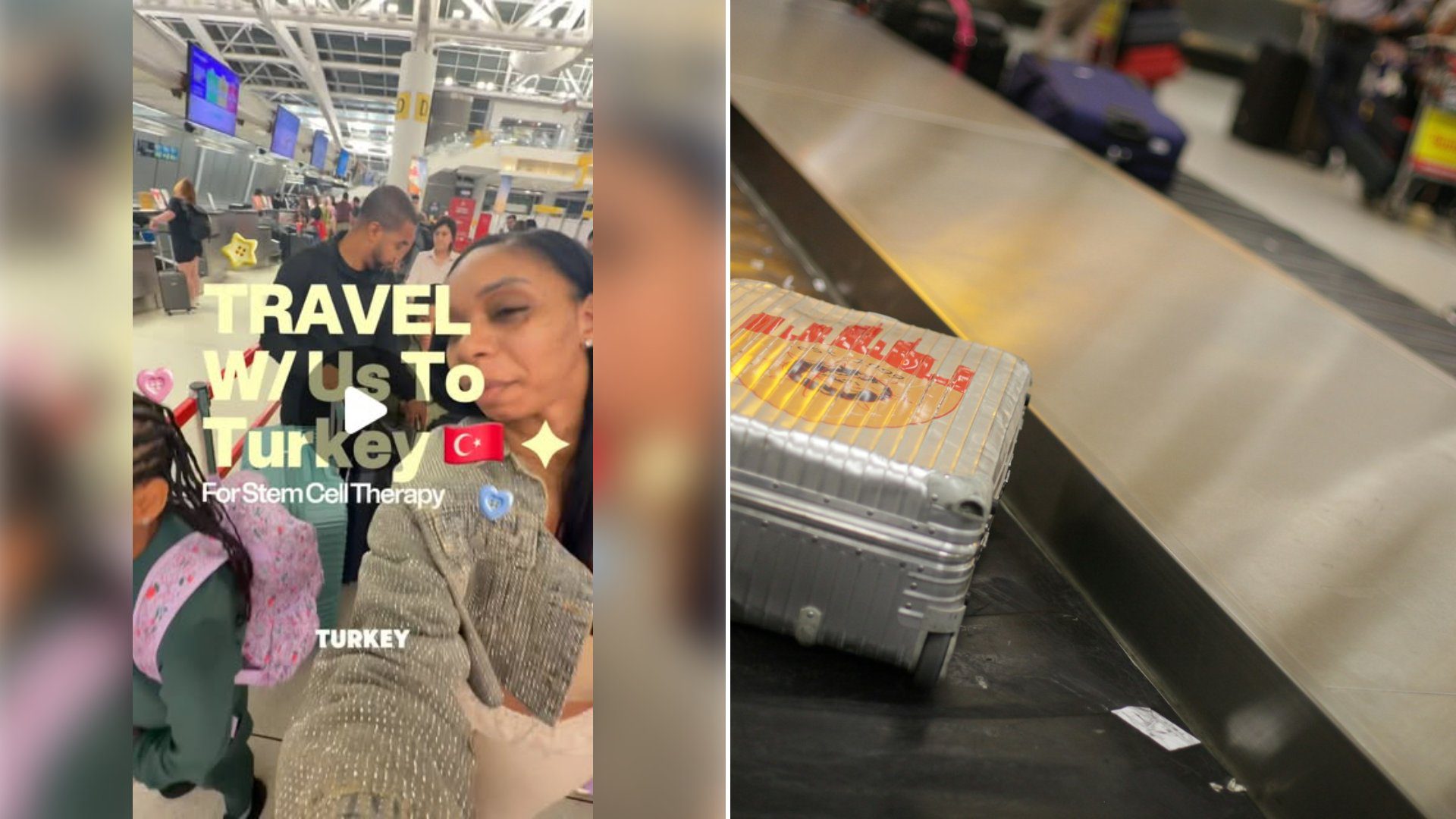
In the caption, @according2asia_ explains that the trip is specifically centered on stem cell therapy for her two children’s autism diagnoses, not a general wellness trip, and the raw, unglamorous footage of the journey beginning, kids in backpacks, luggage in tow, an airport in the background, is part of what makes it land so hard with other parents. There is nothing staged about it. It looks exactly like what it is: a family doing something enormous while still handling the very ordinary logistics of getting from one gate to another.
What to know about stem cell therapy for autism, and why families travel abroad for it
Stem cell therapy for autism spectrum disorder remains an area of active scientific research rather than an established, approved treatment in the United States. Some research groups are studying whether stem cells, often derived from umbilical cord blood or bone marrow, might help with certain autism related symptoms by influencing inflammation or immune activity in the brain, but results so far have been mixed and the body of rigorous, large scale evidence is still considered limited by most mainstream autism researchers and major medical organizations.
Because these therapies are not broadly approved or covered by insurance domestically, some families pursue them at clinics in other countries, including Turkey, Mexico, Panama, and parts of Eastern Europe, where regulatory approval for stem cell treatments can differ significantly from the United States. This kind of medical travel typically involves substantial cost, often tens of thousands of dollars once treatment, travel, and lodging are factored in, and families frequently turn to fundraising or savings to make it possible.
Medical travel of this kind carries real considerations that experts encourage families to weigh carefully. Oversight and regulation of stem cell clinics can vary widely by country, and the scientific consensus from groups like the American Academy of Pediatrics and major autism research organizations is that more rigorous clinical trial evidence is still needed before stem cell therapy can be considered a proven autism treatment. At the same time, autism research and treatment options continue to evolve, and families facing a condition with limited standardized medical interventions understandably look at every emerging option, especially when a child’s quality of life and development are at stake.
What resonates in @according2asia_’s footage is not a verdict on whether this specific treatment will work. It is the visible scale of what parents are willing to do, reorganize an entire family’s life, cross an ocean, and manage two children through an international trip, in pursuit of anything that might help. Whether or not a given therapy is ultimately proven effective, the lengths parents go to for a child’s wellbeing rarely need justification to other parents watching, and that recognition is likely why this video traveled as far as the family itself did.
More from Decluttering Mom
- Mom Takes Her Son Two Hours to a GI Specialist Searching for the Cause of Stomach Issues He Has Had Since Birth and Ends Up With an Emergency Appendectomy Nobody Was Looking For
- Mom of Four Boys Says Her Under Sink Cabinet Had Child Locks for 8 Years Until the Whole Door Got Ripped Off, Then Films Her Baby Sitting in a Puddle of Blue Soap on the Floor
- Single Mom Says Emergencies Are So Hard as She Films Her Toddler Climbing All Over a Hospital Stretcher, Then Turns the Camera on Her Own Masked and Tired Face