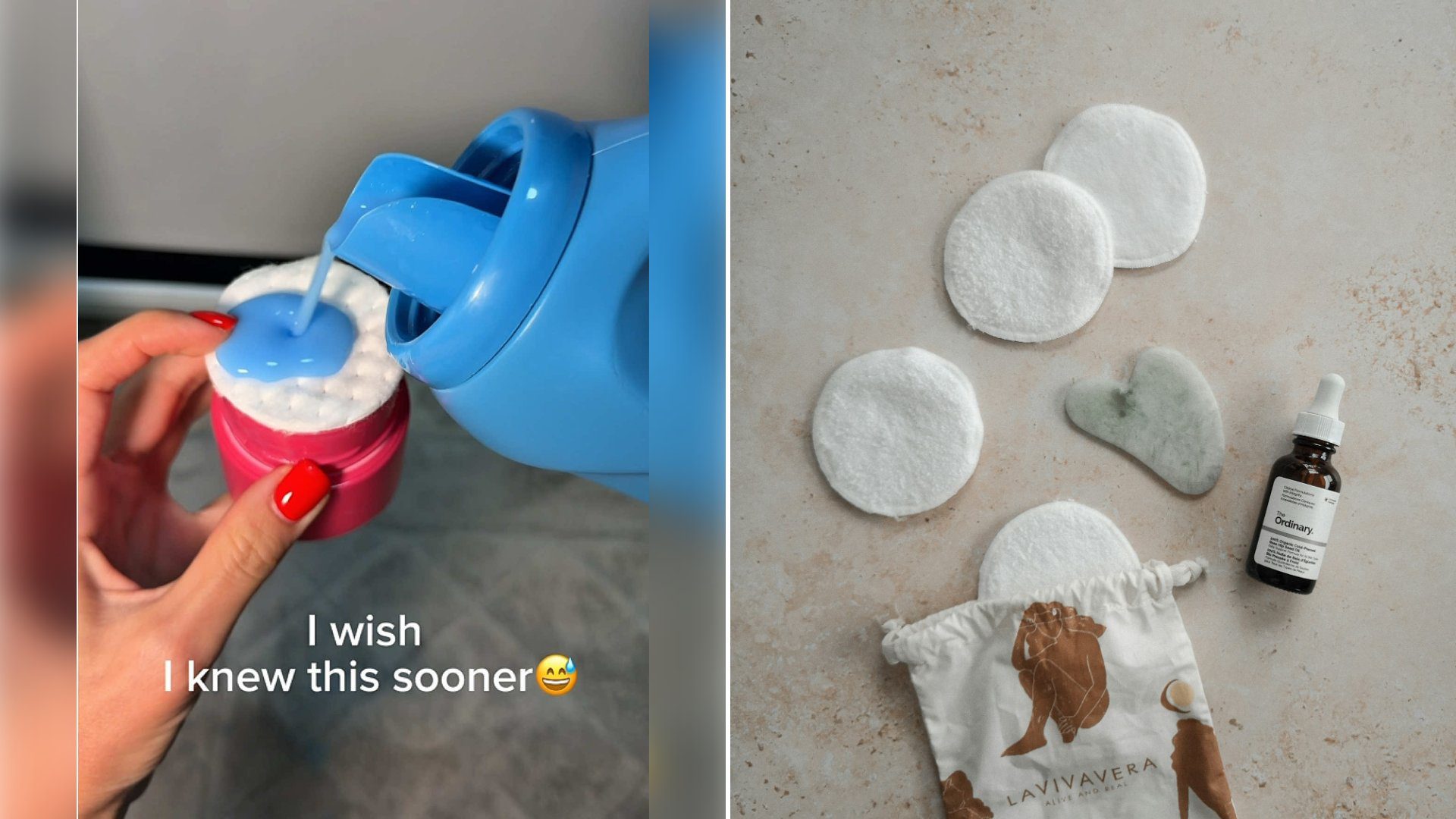
A video from the account alenamomx2hacks shows a hand pouring blue scented liquid fabric softener directly onto a stack of cotton pads tucked into a dryer’s lint trap, with on-screen text reading “I wish I knew this sooner.” The caption adds a personal note: “I’ve lived in the U.S. for years and JUST learned” the trick. The clip pulled in 30,000 likes and 150 comments, but the comment section split hard in two directions almost immediately. One of the very first replies, from a viewer named Nick, read simply: “DO NOT DO THIS OMG.” Another commenter, rockemsockem89, asked the question that mattered most: “Can this start a fire? Chemicals, cotton pads and very high heat?!”
@alenamomx2hacks I wish I knew this sooner
That commenter’s instinct lines up with what fire safety data actually says about dryers. The U.S. Consumer Product Safety Commission has published repeated safety guidance identifying lint buildup as one of the leading causes of home clothes dryer fires, precisely because lint is dry, extremely combustible, and sits directly in the path of a heating element that can reach several hundred degrees during a normal cycle. The lint trap and the area immediately around it are explicitly the zone fire safety guidance says to keep clear and clean before every single load, not a spot to intentionally add more flammable material to.
Cotton pads soaked in liquid fabric softener introduce two separate variables into exactly that zone: an added fuel source (the cotton itself, now saturated with a flammable or at minimum combustible liquid) and a chemical additive whose behavior under sustained high heat isn’t something most fabric softener labels are designed to address, since fabric softener is formulated to be diluted in a wash cycle’s water, not concentrated and dried directly inside a heating appliance. Even when a specific attempt doesn’t end badly, fire safety guidance generally treats “add more combustible material near the heating element” as the wrong direction for a system whose entire safety margin depends on keeping that exact area as lint-free and material-free as possible.
The appeal of the hack is easy to understand, people want laundry that smells better without buying more product, and plenty of lower-risk versions of that idea already exist: adding a few drops of essential oil to a reusable wool dryer ball, or simply using a liquid fabric softener in the wash cycle itself rather than the dryer, delivers scent without introducing anything extra into the lint trap area. For a hack getting genuine traction, with 30,000 likes and a comment section actively debating the fire risk, the better takeaway may be the question itself: before trying any dryer-adjacent hack, ask whether it adds anything combustible near a heating element, and if the honest answer is yes, that’s reason enough to skip it.
More from Decluttering Mom
- Woman Says She Came Home From a Cleaning Service Visit to a Gas Burner Left On With No Flame, Then Found Her Purse, Tax Documents and Real Silverware in Two Garbage Bags Downstairs
- Cleaning Creator Sprays Cinnamon Water Inside Her Outdoor Bin to Keep Ants and Flies Away Then Buffs Shaving Cream Onto Her Oven in Five Home Hacks She Says No One Teaches You
- Homeowner Sums Up Her Third Month in the House in 23 Seconds of Cleans, Scrubbing Grime Off the Garden Gate, Rust Off a Radiator and Cloudy Residue Off the Fireplace Glass