



One mom was caught off guard when she started to notice troubling patterns in her daughter’s social interactions. At just 4.5 years old, the little girl was fixated on finding a “best friend” at preschool, but her attempts were met with rejection time after time. Each instance seemed to hit her hard, leading to tears and complaints about her peers not wanting to play. While many kids navigate this age with some awkwardness, this mom felt a deeper concern about her child’s struggles.
The daughter has a vibrant personality at home, full of love and energy. However, her behavior outside the home paints a different picture. The mom pointed out that her child can be rigid in her thinking, often insisting on her way of doing things without considering other kids’ preferences. When her daughter decides to play a specific game or wants a particular toy, she clings to that idea, making it tough for her to adapt or compromise with others. This trait has left her isolated, as peers push back against her insistence.

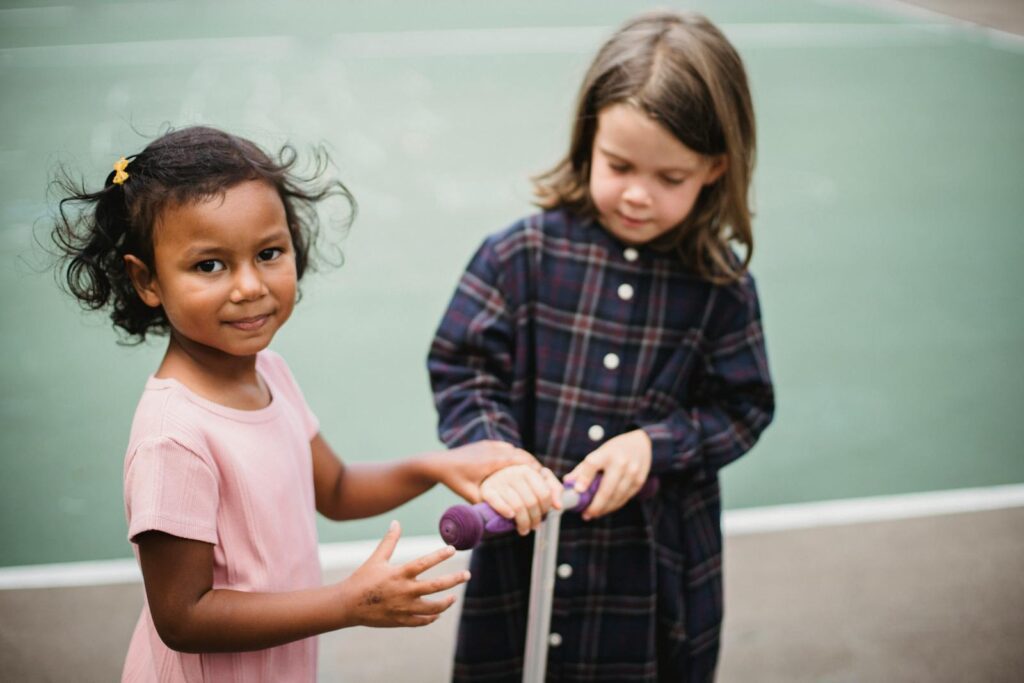
The educators at her preschool have noticed similar patterns. They suggested the daughter’s lack of cooperation and difficulty in sharing are significant factors in her social challenges. It’s not a simple case of being shy or awkward; her sensitivity to rejection compounds the issue. When peers refuse her overtures for friendship, the child internalizes that rejection, leading to outbursts of frustration and confusion. This seems to be a cycle that leaves her feeling increasingly alone and misunderstood at school.
In addition to her social struggles, the little girl is also in speech therapy due to articulation issues and a stutter. These challenges might contribute to her difficulty in expressing herself and communicating effectively with her peers, further isolating her in social situations. This combination of factors leads the mom to feel uncertain about how her daughter will adjust to school life next year. The pressure is mounting as the reality of more extensive social dynamics looms ahead.
People had very different reactions when the mom shared her concerns online. Some pointed out that many kids at that age face similar issues and suggested that the daughter may simply need more time to develop social skills. They emphasized that kindergarten can be a different environment, potentially providing her with new opportunities to connect with others. Others expressed empathy for the mom’s situation, noting that it can be heart-wrenching to watch a child struggle to make friends.
Some commenters speculated that the daughter might benefit from structured playdates or social groups to help her learn how to share and interact better with peers. They emphasized the importance of slowly introducing her to new play scenarios, allowing her to grapple with working with others instead of just insisting on her way. Others pointed out that some children naturally take longer to develop these skills, and it might just be a phase.
Others suggested that the parent might want to discuss these observations with a child psychologist or an expert in early childhood development for additional strategies. They encouraged creating an environment where the daughter could practice negotiation and make mistakes without the fear of severe rejection or failure. The idea was to help her navigate her emotions better while learning to connect with others. However, these solutions come with their own uncertainties, leaving the mom to wonder what steps will truly benefit her daughter.
Throughout the discussion, it became clear that while the little girl’s issues are not uncommon for her age, the level of intensity in her responses seems to raise concerns. The mom’s worry about her daughter’s social competence feels valid, especially as she approaches an important transition to school. The question remains, though: how can one help a child learn to adapt and connect without diminishing their individuality or their emotional needs?
More from Decluttering Mom: