



One mom was caught off guard when her husband repeatedly called her a “bad mother.” This wasn’t just a fleeting comment but a daily occurrence, leaving her feeling unsettled and confused about her role as a parent. With her mental health already fragile, the situation escalated into a painful battle over parenting techniques and personal recovery.
She shared her story on Reddit, explaining the backdrop of her struggle. After a traumatic birth experience, which led to lasting physical and emotional difficulties, the mom felt she needed help managing her child and home. With a 2.5-year-old and the added stresses of loss—both job-related and personal—the family decided to hire a live-in nanny. The goal was simple: to relieve some of the overwhelming stress she faced daily.

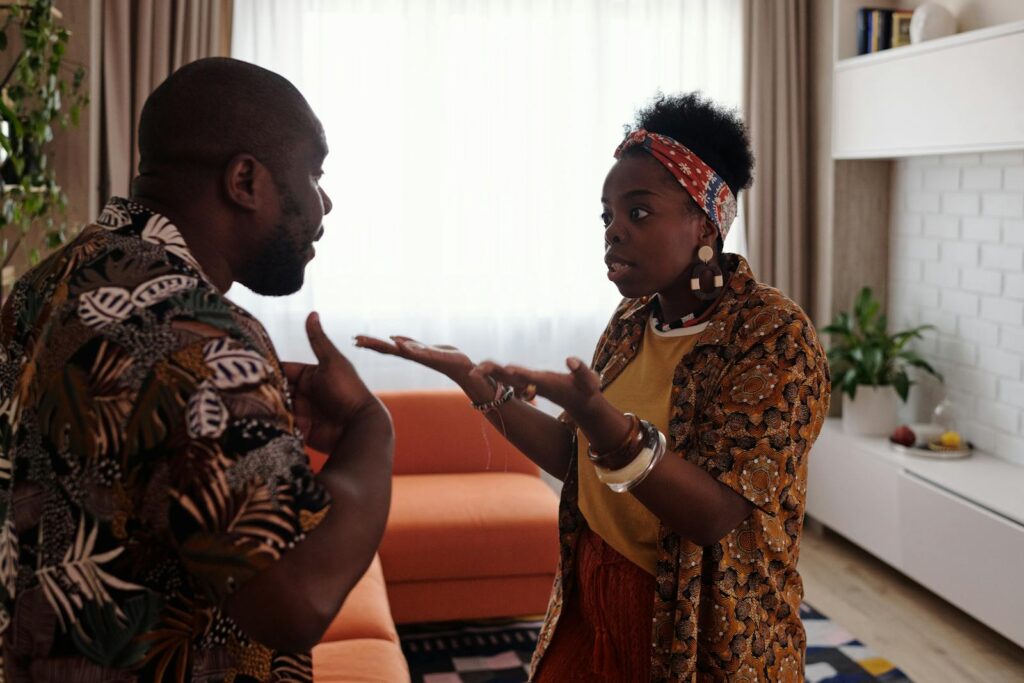
Initially, this arrangement provided the relief she desperately sought. The mom let the nanny take charge of feeding and engaging with her child, allowing her some much-needed space to recover. However, the dynamic shifted when the husband began to criticize her for this decision. Instead of support, his response was to label her as a bad mother for not being more hands-on.
Amidst her ongoing mental health struggles, including feelings of emotional distance from her child, the husband’s comments stung. It was not just the words that were hurtful; it was the lack of understanding and support in what had clearly been a difficult journey. The parent expressed that some days she couldn’t even muster the energy to get out of bed, making the accusations even more painful.
People had very different reactions to her post. Some thought the husband’s comments showed a lack of empathy regarding her trauma and recovery. They felt it was essential for partners to support each other, especially in such challenging times. Others pointed out that hiring help is not uncommon in many families and that she deserved to prioritize her mental health without feeling guilty.
The discussions revealed varying perspectives on parenting and mental health. Some users highlighted the importance of communication between partners, suggesting that the husband might not fully grasp the extent of the mom’s struggles. Others noted that his comments could stem from his own frustrations as a parent, which might cloud his ability to offer support.
As the comments unfolded, it was clear that many people empathized with her plight. They understood how difficult it can be to navigate motherhood while dealing with the aftermath of trauma. Several users encouraged the mom to seek help in addressing her husband’s behavior. They emphasized the importance of a supportive partnership, especially in raising a child during such trying times.
Yet, amid all the feedback, the mom faced a tough decision. Should she confront her husband more directly about his hurtful comments, or would that lead to further conflict? Some readers suggested couples therapy as a potential solution—as a way to bridge the gap between their experiences and feelings. Others, however, questioned whether such a partnership could be salvageable if it continued down this path of daily berating.
Ultimately, this discussion opened up a broader conversation about mental health, partnership dynamics, and the complexities of modern parenting. The reality is that not all parents experience joy in their roles, and external support can be crucial. But when that support feels like criticism instead of encouragement, it can leave one feeling isolated and questioning their worth.
As readers continued to engage, the conversation lingered. How can partners balance support and expectations? What happens when one parent feels overwhelmed, and the other loses sight of the bigger picture? These questions resonated deeply, leaving many to ponder their own experiences in parenting and partnership.
More from Decluttering Mom: