


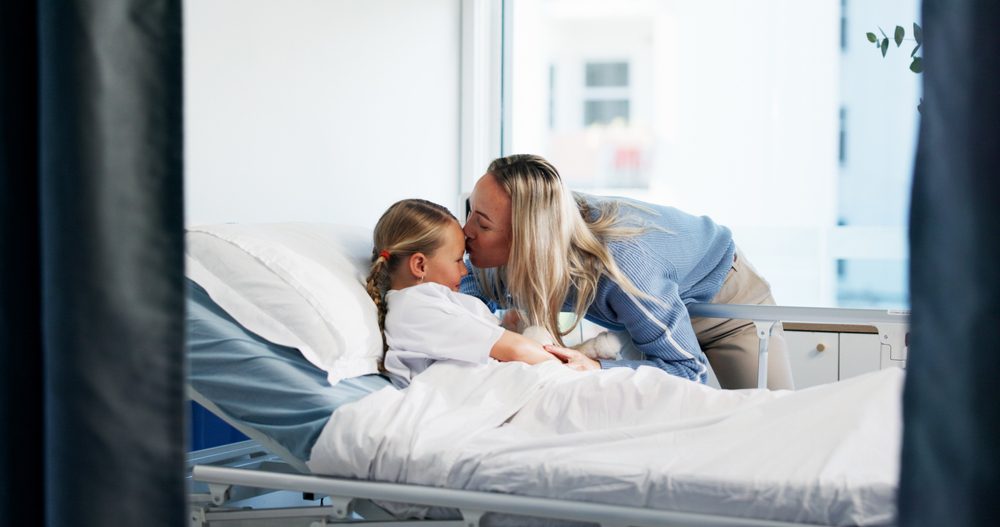
One mom was caught off guard when a friend labeled her as “neglectful” for not spending more time in the hospital with one of her twins. The reality was far more complicated. In the throes of motherhood, especially with twins and a child in the PICU, she found herself navigating an overwhelming sense of isolation. The weight of those words hit hard, exposing the stark difference between her experience and that of her friends, who had the kind of family support she could only dream of.
She shared that during her twin’s two-week hospital stay, her hands were tied. With no one available to look after her other child, her visits to the hospital were limited to late-night trips after her husband returned home from work. This was no simple arrangement; it was a balancing act fueled by exhaustion and necessity. Meanwhile, her friends seemed to glide through parenting with ease, bolstered by help from grandparents and relatives.


In her candid post, she contrasted her situation with that of a friend who had in-laws nearby to assist with childcare. That friend had access to a network that allowed for moments of respite and care, while the mom felt trapped in a cycle of responsibilities. She mentioned a medical appointment that took six reschedules because her mother, who lived an hour away, kept cancelling her plans to watch the twins. Simple errands became monumental tasks in her world.
Other mothers in her circle shared experiences that stood in stark contrast to hers. One friend, who also had a two-year-old, was off on a girls’ trip, unconcerned about childcare because her mother was readily available to step in. Another mom had parents and in-laws who rotated responsibilities, ensuring she had a support system while healing from a C-section. For the mom with the twins, it was a completely different story. She went back to driving just days after her own operation because grocery shopping and picking up prescriptions couldn’t wait.
It’s disheartening to hear her frustration build as she recounted a recent meeting concerning her son’s struggles at school. She felt like she was navigating a maze without a map. The reality of her situation speaks volumes about the differing landscapes of parenting, where some mothers are surrounded by an abundance of help and others are left to figure it all out alone.
People had mixed reactions to her post. Some empathized, sharing their own tales of feeling isolated in their parenting journeys. Many understood the difficulties of being a solo parent, especially in challenging circumstances. Others, however, suggested that she needed to find a way to ask for help more effectively or reassess her support network. These responses opened a dialogue about the different experiences of motherhood.
Some pointed out that while the mom’s feelings of jealousy were valid, it’s important to communicate needs explicitly. Conversations about support can sometimes be uncomfortable, but many suggested that reaching out might lead to unexpected help. Others noted that the societal pressures on mothers can create an illusion of neglect when, in reality, many simply lack the assistance that would make their lives easier.
The conversation around her post raised questions about how mothers can connect and build support systems, especially amidst their busy lives. Is it fair to compare one mother’s experience with another’s? Should feelings of jealousy be acknowledged or set aside? The complexities of modern motherhood often leave little room for straightforward answers.
As the discussion unfolded, it was clear that while some mothers may have the luxury of support at their fingertips, others are left to trudge through the slower, more isolating paths of parenting. The mom’s experience serves as a reminder that the dynamics of help can vary widely, and with that variance comes an array of emotions.
More from Decluttering Mom: