

@victorias.way runs through her go to pool day setup for her kids, pulling out one safety item after another and explaining exactly why each one has earned a permanent spot in the pool bag. Swim goggles and soft ear covers go on first to keep water and irritation out, and then comes the item that gets the most attention: a small UV detection sticker that physically changes color as sun exposure builds up, giving her a visual warning before anyone gets burned.

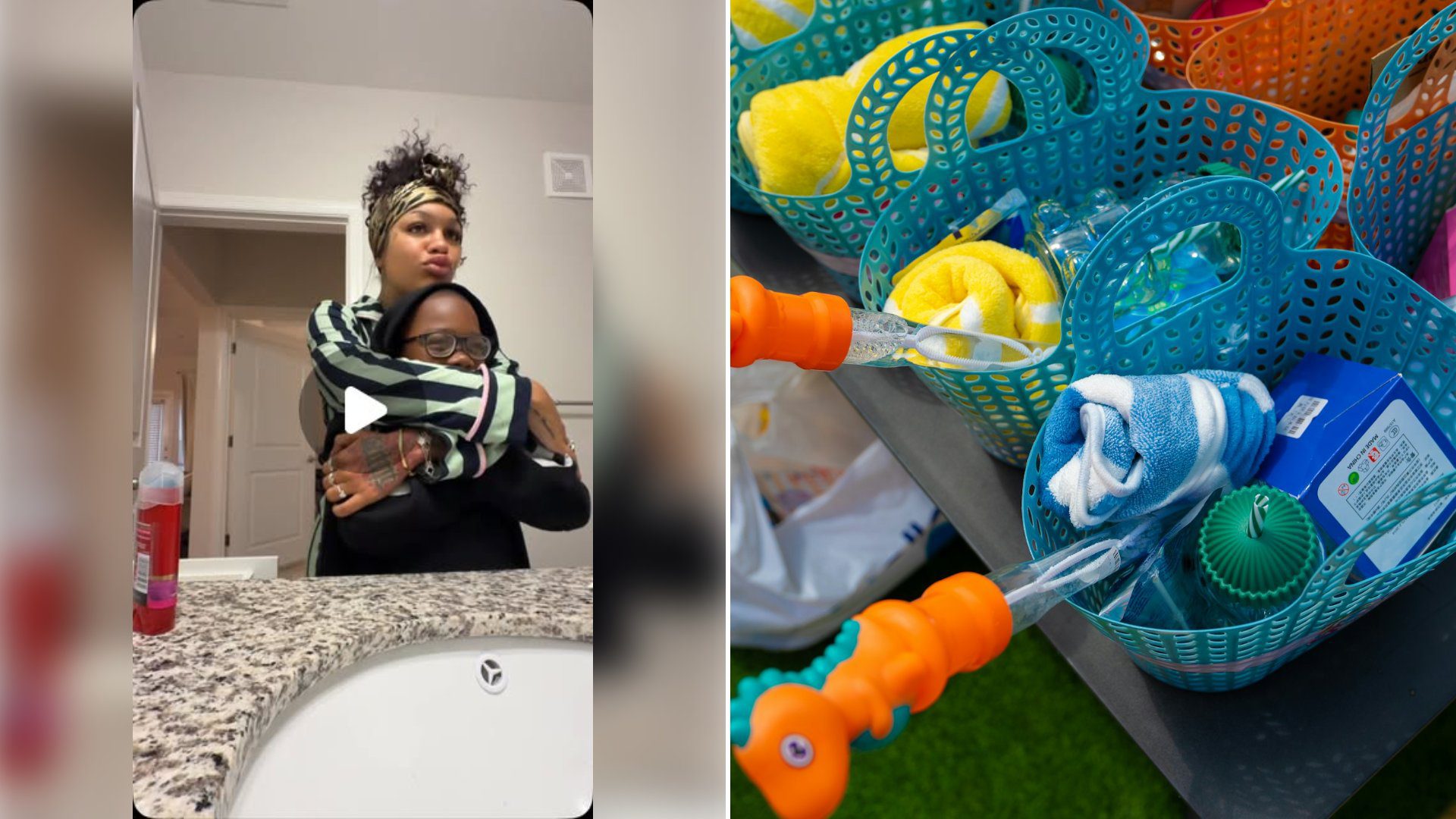
She walks through the rest of the bag with the same practical energy, treating pool safety less like an afterthought and more like a checklist to run through every single time, the same way someone would check a car seat or a bike helmet before heading out.
Children’s skin is thinner and produces less of the protective melanin that helps shield adult skin from ultraviolet rays, which is a major reason dermatologists consistently warn that kids are more vulnerable to sunburn and longer term UV damage than adults exposed to the same amount of sun. Repeated sunburns in childhood are also linked by medical researchers to a higher lifetime risk of skin cancer, which is why pediatric and dermatology guidance leans so heavily on prevention rather than treatment after the fact.
Standard dermatology guidance recommends reapplying sunscreen at least every two hours, and more frequently than that if kids are swimming, sweating, or toweling off, since water exposure and friction from towels both wear sunscreen down faster than normal daily activity would. Even sunscreen labeled water resistant is only rated to hold up for a set window, typically forty to eighty minutes, before it needs to go back on, which is a detail that is easy to miss during a long pool day that stretches on for hours.
Tools like UV indicator stickers work by reacting to ultraviolet light exposure and shifting color as the dose builds, giving a rough visual cue for when it is time to reapply or seek shade, functioning as a simple physical reminder rather than a precise medical device. Dermatologists generally view them as a helpful nudge for building the habit of regular reapplication, especially for families managing multiple kids at once where it is easy to lose track of who got reapplied and when.
Ear protection and swim goggles round out the rest of the setup for good reason too. Pediatricians commonly point to swimmer’s ear, an infection caused by water trapped in the ear canal, as one of the most frequent minor pool season complaints, and simple preventive gear like ear covers or drying drops after swimming can cut down on it considerably. Goggles, meanwhile, protect young eyes from chlorine irritation, which is a common complaint at public pools where chemical levels can fluctuate throughout a busy day.
None of these items are flashy or expensive, but stacked together they turn a day that could easily end in a sunburn, an ear infection, or stinging eyes into one that is mostly just fun. That is likely why the checklist resonated with so many parents who recognized the gap between knowing sun safety matters in theory and actually having a system that makes it happen in practice.
More from Decluttering Mom
- Parenting Expert Shows What To Do When a Child Melts Down in a Public Place and Offers the Phrase She Wants Overwhelmed Parents To Try Next Time
- Pediatrician Says These Are the Mistakes Parents Make When a Child Has a Virus and Explains What She Would Do Instead While Speaking From Her Car
- Parent Lists the Signs of Childhood Anxiety That Moms Often Miss and Explains When It Is Time To Bring Concerns To Your Child’s Pediatrician