


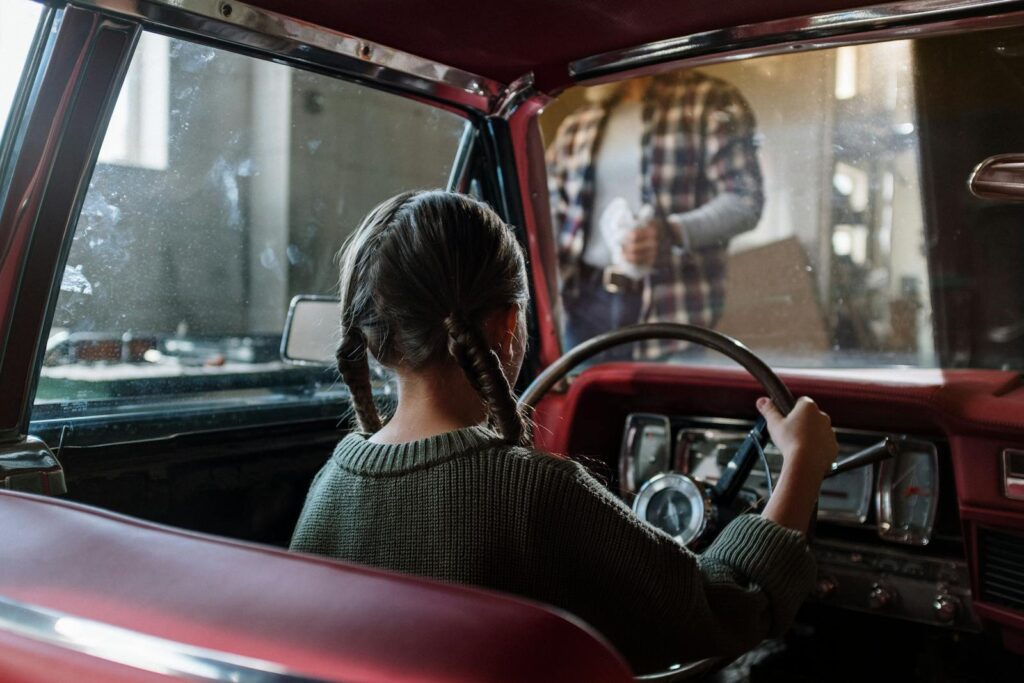
You watch a viral clip and feel a jolt: young kids climbing into the front seat during a chaotic school pickup line. That quick moment raises a clear question about supervision and car safety that the community can’t stop arguing about.
The short answer is that this behavior is unsafe and usually avoidable; it reflects lapses in supervision or convenience choices, not a new cultural collapse. The article will unpack what happened in the clip, why people are divided, and how safety and convenience clash in everyday parenting decisions.
Viral Moment: What Happened in the Pickup Line?

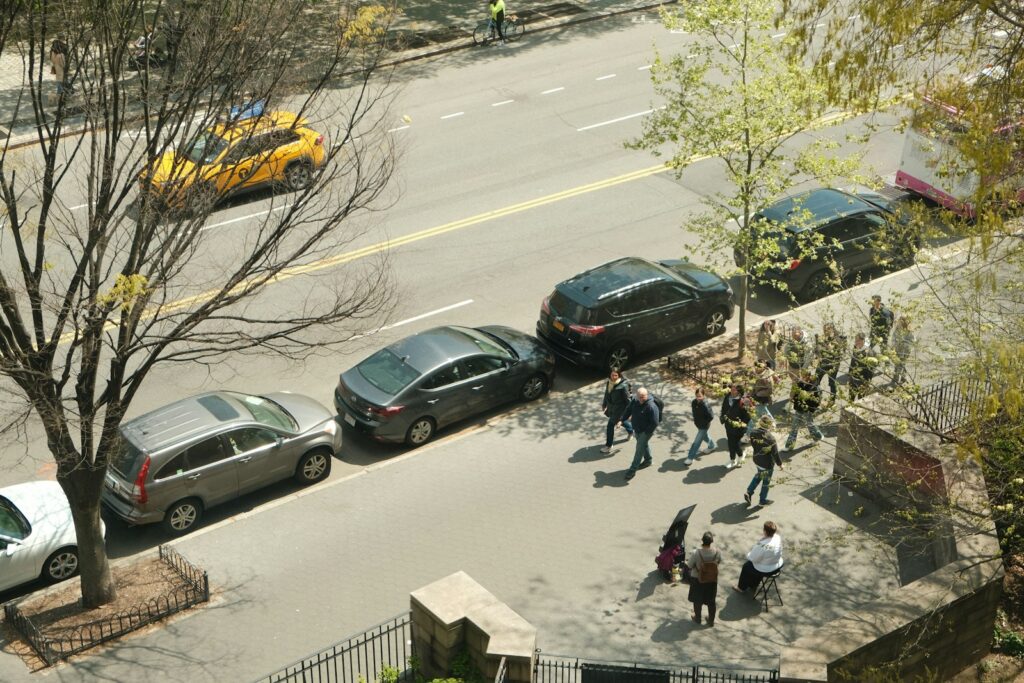
A short clip captured children climbing up into the front passenger seat while cars idled in a school pickup lane. The video shows the moment, the parent’s reaction, and the immediate online backlash.
Description of the Incident
A parent filmed several young children leaving school and, instead of staying in the car or using the rear doors, they climbed up through the front passenger door into the front seat while the car waited in line. The clip lasts under a minute and focuses on the children shimmying over the center console and one child sitting with their feet on the dashboard.
The driver—visible briefly—does not immediately intervene on camera. No one appears to be buckled when the car moves for a few feet, and another vehicle horns lightly in the background. The setting is a suburban elementary school pickup with marked lanes and staff directing traffic nearby.
How the Video Sparked Conversation
Viewers zeroed in on safety concerns: unbuckled kids, front-seat positioning for small children, and distracted supervision. Commenters cited general child passenger safety guidelines and questioned whether the driver understood seat-belt or car-seat rules for that age. Some noted the added risk if the car hit the brakes or was struck.
Others interpreted the footage differently, suggesting the clip might capture a brief, controlled moment—such as loading before moving—or that the camera angle omitted seatbelt use out of frame. The brevity of the video left room for debate about context versus clear negligence.
Public Reactions Online
Reactions split between alarm and defense. Many users demanded accountability, calling for stricter enforcement of pickup procedures and reminders for parents about proper buckling. Several commenters posted links to local school policies and safety resources.
A sizable minority defended the parent, arguing the scene was a quick, harmless maneuver or that the uploader exaggerated risk to generate engagement. Some responses turned to broader cultural complaints about parental laxness, while others suggested simple solutions—like schools enforcing seat checks or parents using curbside routines to avoid such situations.
Are Parents Overlooking Child Safety in Cars?
Many parents underestimate how quickly a short trip can become dangerous and how often car-seat mistakes happen. Small lapses—letting a child ride up front or using the wrong restraint—are common and carry real risks.
Current Car Safety Guidelines for Kids
National recommendations say children should ride in the back seat until at least age 13. Infants and toddlers should stay rear-facing as long as their car seat allows; most convertible seats permit rear-facing up to 2 years or more. After that, children should use a forward-facing harness until they reach the height and weight limit for that seat.
Booster seats are for children who outgrow forward-facing harnesses but whose seat belts do not yet fit properly. A proper belt fit means the lap belt lies low on the hips and the shoulder belt rests across the chest, not the neck. Many parents can find localized, practical guidance and checklists at the CDC’s child passenger safety page for exact age- and size-based steps (see child passenger risk factors).
Common Reasons Parents Let Kids Sit Up Front
Parents often move children up front for convenience—short trips, sibling wrangling, or to calm a child quickly. Some think the front seat feels safer because it’s closer to them or because the child is “old enough” based on age alone. Others misjudge vehicle safety features like passenger airbags or believe a lap belt is sufficient once a child reaches a certain age.
Routine disruption increases the risk: caregivers who aren’t used to driving kids or whose schedules change are more likely to lapse. Misunderstanding of booster and seat-belt fit rules also contributes; many parents believe a child’s size or age automatically qualifies them for front-seat travel when the belt still fits poorly.
Potential Dangers of Front Seat Riding
Airbags pose a major hazard for children in the front seat. Passenger airbags deploy with great force and can cause severe neck, head, or chest injuries in small bodies. Even in non-crash situations, sudden deployment can injure an unrestrained or improperly restrained child.
Crash statistics show higher injury and death rates when children are unrestrained or improperly restrained. Mistakes such as loose harnesses, incorrect seat installation, and premature transition out of boosters increase injury risk. Rural locations and lapses in driver seat-belt use also correlate with lower child restraint rates, raising the chance of serious harm on short trips and in everyday driving.
Understanding the Debate: Safety vs. Convenience
Parents weigh quick drop-offs, traffic flow, and kid behavior against child-restraint rules and accident risk. This tension shows in split choices at pickup lines, where a few seconds saved can mean skipping seatbelts, letting kids climb into front seats, or moving around in parked cars.
Why the Pickup Line Tempts Rule Breaking
Pickup lines create tight timing pressures. When staff call names and cars must keep moving, drivers often feel they must hustle. That rush encourages shortcuts: unbuckling children early, allowing kids to climb forward to speed exits, or handing kids across open doors rather than stopping fully in a lot.
Physical layout matters. Narrow lanes, staggered stops, and a single exit all push drivers to minimize time spent stopped. Parents who juggle toddlers, backpacks, and work calls see bending the safety rules as a practical choice to avoid gridlock and prevent kids from bolting out into traffic.
Parental Pressure and Decision Making
Time scarcity, guilt, and multitasking shape decisions. A parent late for work or managing a sick child will prioritize moving through the line quickly, sometimes at the expense of proper restraints. Peer behavior amplifies this: if most cars are doing the same, an individual feels pressured to conform.
Risk perception varies. Some parents underestimate crash risk at low speeds or believe short, familiar drives are safe without belts. Others know the rules but choose convenience in the moment, betting that nothing will happen. That split between stated safety beliefs and on-the-ground actions explains much of the behavior seen at school pickups.
Community Responses and School Policies
Schools respond with a mix of education, design changes, and enforcement. Common actions include staff-directed load zones, painted curb markings, and reminders about car-seat laws. Some districts require parents to remain in cars and use specific doors to reduce unsafe movement.
Community norms and enforcement differ. Neighborhoods with active PTA messaging and visible staff presence report fewer rule breaks. Where enforcement is light, informal habits spread. Clear policies combined with practical layout fixes—like wider lanes and dedicated drop-off points—reduce the temptation to sidestep safety.
More from Decluttering Mom: