The ultrasound was supposed to look for one thing. According to her video, it found something else: her son’s appendix was inflamed, and within hours he was in surgery to have it removed.
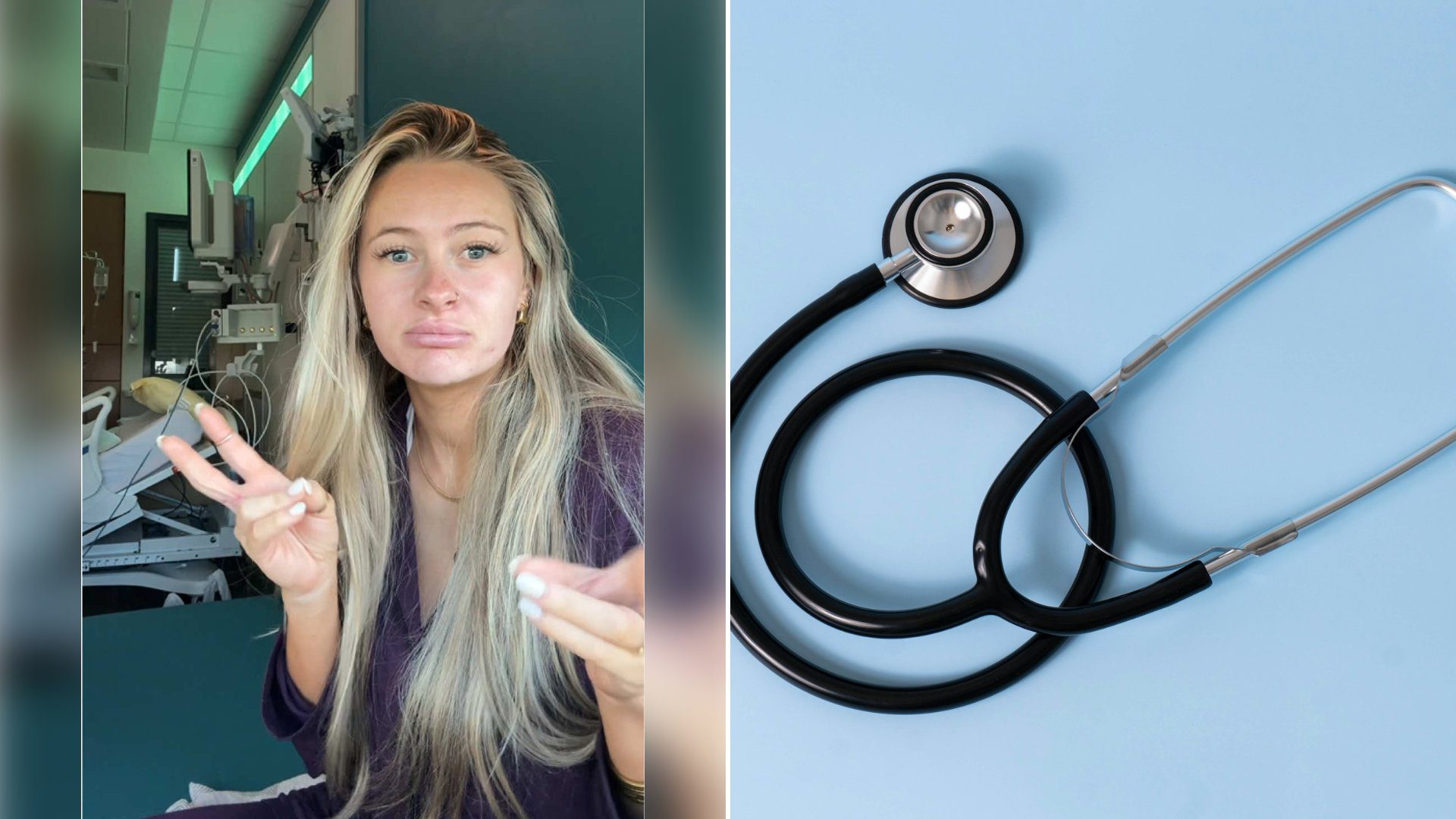
@kylieapitts, who posts as Kylie Pitts, filmed the four minute update from a hospital room the morning after and posted it on September 23, 2026. “Good morning y’all, happy Wednesday,” she begins, sitting in front of a hospital bed and monitors. “I wanted to give an update on what is going on and all of this whirlwind of a 24 hours we’ve had.” Her caption puts it more briefly: “We still have to figure out the original issue, the emergency appendectomy was just an unexpected side quest.”
The original issue, she explains, is a digestive problem her son has had “ever since he was born.” She says no one has yet pinned down what it is, and that he had been in a flare up since the Wednesday before, “so exactly a week.”
She got him in with his GI specialist, who she says is two hours away, so they left the house around 5:30 in the morning. At the appointment she showed the doctor “all of the videos that I had” and listed his symptoms. They did lab work, including tests for celiac disease, and she says an upper GI study was already scheduled for the following week.
According to her, the specialist suspected intussusception, which she describes as the intestine “telescoping into itself” during his episodes, and wanted an ultrasound that same day. She says the doctor warned it might not show anything, since he was not in a screaming episode at the time.
The first place they went could not do that kind of ultrasound, she says, so they were sent to the hospital. “When they’re doing the ultrasound,” she says, “they actually found something else, something that we were not even looking for. His appendix were inflamed.” After they spoke with the doctors, she says, a nurse told them to follow her down to the emergency room, and he ended up having emergency surgery that night to remove it.
She is open about how confusing the picture was. She says one assessment called it appendicitis, but the surgeon told her they did not think it was, because the appendix was swollen and enlarged while his blood work was “completely fine.” She describes the physical checks, moving his legs, having him jump and crawl into the bed, and says he did all of it without pain. “His appendix said hey I have appendicitis,” she says, but by her account nothing else in his exam or blood work did.
The bigger point for her is what did not change. She says the nurses and doctors told her they caught it very early, and that the appendix “is not the reason for his ongoing GI issue since birth.” The test results are still pending, she does not know whether the upper GI will go ahead as planned, and she says she hoped to take him home that day. Her video does not include any update after that morning.
What This Mom’s Day Shows About Chasing a Diagnosis
Record the episodes. The detail she mentions first about the appointment is that she showed the specialist her videos. When symptoms come and go, a doctor may see your child on a calm day, which is exactly what she says happened here. Short clips of an episode, with the date and time, show what a description cannot.
Keep a running log. Note when a flare starts, how long it lasts, what your child ate, and what helped. She could say her son had been in a flare up since the previous Wednesday, exactly a week, and that kind of precise timeline is what a specialist will ask for.
Know the condition the doctor is looking for. The National Institute of Diabetes and Digestive and Kidney Diseases describes intussusception as a condition in which part of the intestine folds into itself “much like a collapsible telescope.” The institute says it is most common in babies younger than age 1, that about 90 percent of cases occur in children younger than 3, and that signs include severe colicky or crampy belly pain and a child drawing their knees up to their chest. It says anyone with signs of intussusception should get medical help right away, and lists ultrasound among the imaging doctors may use.
Do not wait on belly pain that looks like appendicitis. NIDDK says appendicitis is a medical emergency that requires immediate care, and that the pain may begin near the belly button and move lower and to the right, along with loss of appetite, nausea or vomiting, fever or swelling. It also notes that some children with appendicitis have none of the usual signs. According to the institute’s appendicitis facts page, it is the most common cause of sudden belly pain that needs surgery in the United States, and an untreated appendix can burst.
Ask what a new finding means for the old problem. Before leaving the hospital, she had a clear answer from the care team that the appendix was not the cause of his long running symptoms. Asking that question directly, and asking whether planned tests like the upper GI should be rescheduled after surgery, keeps the original search from getting lost in an emergency.
More from Decluttering Mom
- Her Morning Routine Caring for a Sick Toddler Is Every Parent’s Reality
- Single Mom Says an MRI Technician Asked What Brand Her Workout Set Was, Then Told Her Lululemon Would Have to Come Off Completely While Her Amazon Leggings Could Stay On
- Pregnant Florist Swallows A Sharp Pin While Building A Bridesmaid Bouquet, Then Doctors Cannot Retrieve It During An Emergency Procedure At The Hospital