

Toy clutter has a way of taking over even the best intentions. You buy bins, you sort the blocks, and a week later everything is back in one big heap on the floor. TikTok mom @sierra.honeycutt says she found a fix that actually stuck: labels with both words and pictures. She turned what she calls a hot mess of a playroom into an organized space that is easy for kids to understand and keep clean on their own, and it started with her three year old.

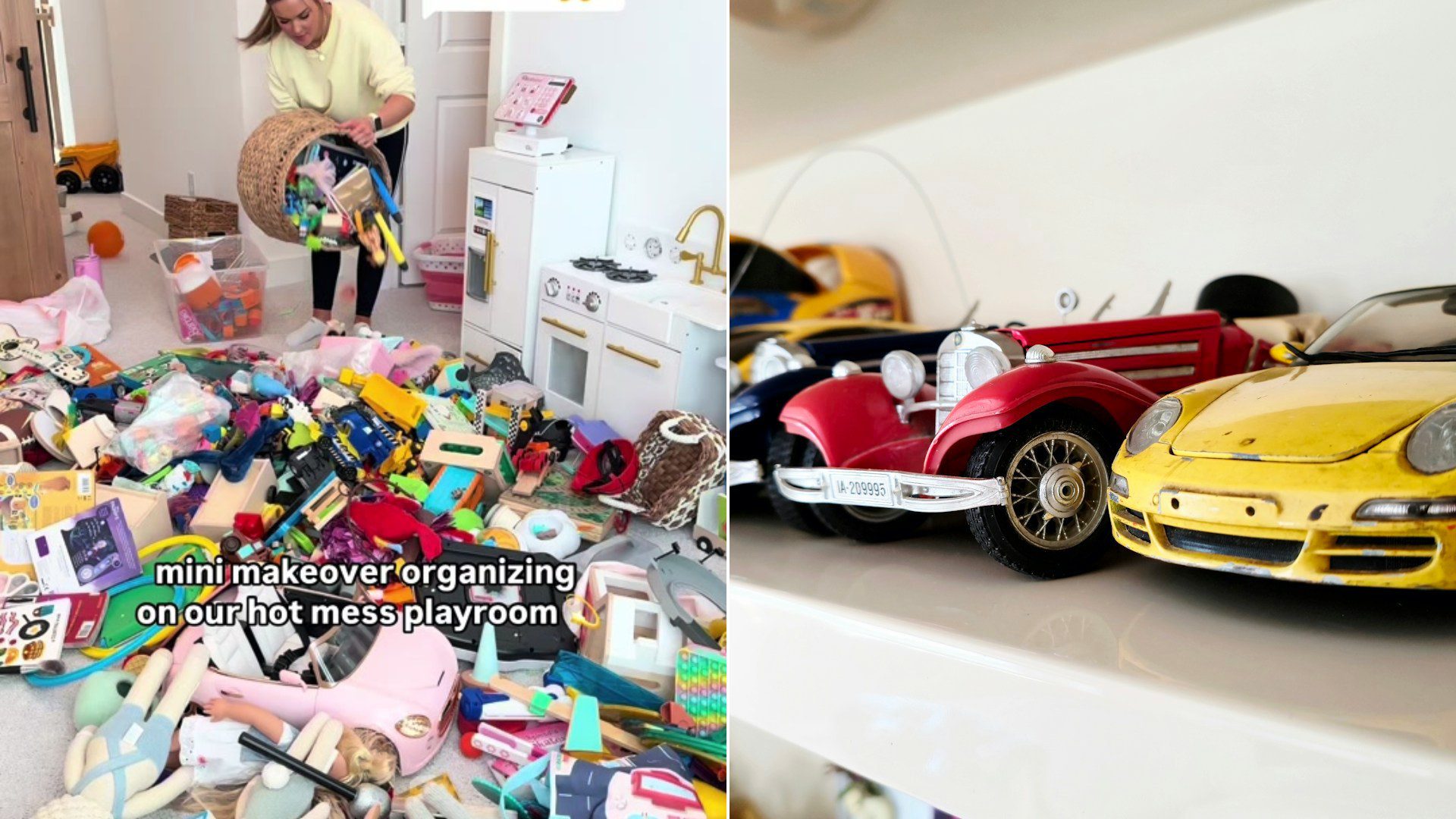
She shared the system in response to a follower’s question, and the details are practical enough to copy this weekend.
@sierra.honeycutt
Pictures plus words
The core idea is simple. She decided to build the whole system with both pictures and words. Her three year old obviously cannot read yet, she points out, but can look at a picture and understand which toys go in which bin at the end of the day when it is time to clean up. The words are there for the adults and for older children, and they also help a little one begin to connect the printed word with the thing it names.
How she made the labels
She made a batch of labels, cut them out and slid them into little pocket protectors. She admits the pockets are fairly snug, but she likes that they can be removed, so if she wants to change the contents of a bin in the future, she just swaps in a new label. For parents who worry that curious kids might pull the labels out, she suggests adding a small piece of tape at the top to hold them in.
Storage that closes
The family looked at many storage options before settling on cabinets that push together. She says they were probably the most affordable choice that still offered the most space. They also liked that the doors can be shut to hide the toys away when they want a calmer room.
Inside, she grouped like items together as much as she could. One cabinet holds all the blocks and Legos. Another is for the cars. A third is for random items that do not fit elsewhere. Grouping makes it easy for a child to answer the question of where something goes: if it is a car, it goes with the cars.
Toy rotation keeps things fresh
She also uses toy rotation. She keeps two separate totes, and when the kids seem bored with what is out, she switches the toys in play with the ones stored away. It keeps the playroom from being overwhelming, and toys that have been out of sight for a while feel new again when they reappear.
There is research behind the idea that a smaller selection can help. In a University of Toledo study of 36 toddlers aged 18 to 30 months, each child visited a playroom twice, once with four toys and once with sixteen. According to the university’s write-up of the findings, the toddlers played roughly twice as long with each toy when fewer were available, and used them in more varied ways. Rotating toys in and out is an easy way to get that effect without buying or giving away anything.
The results so far
At the time she posted, the setup had been out for about a week. She says the kids have done so well with it, and that the picture labels on the bins have been the most successful way of keeping things organized. The children have done a good job putting things away, she reports. She also did a quick cleanup on the little kitchen area as part of the reset.
Why picture labels work for young children
Children under school age tend to sort by sight, shape and color long before they read. A picture of a car on a bin gives them an instant clue, while a word alone does not. That means a three year old can take part in cleanup without waiting for a parent to point out where everything goes. Giving small children a job they can actually complete also builds confidence, and it makes tidying feel like a game rather than a chore.
The words are not wasted. Over time, a child who sees the word blocks next to a picture of blocks every day will start to recognize the shape of it. Many parents find that labels become an easy, low-pressure way to introduce early reading.
Try it in your own home
- Start by sorting toys into broad groups. Blocks, vehicles, dolls, art supplies and pretend play are common categories. Keep the number of groups small so children can remember them.
- Take photos or print clip art. A real photo of the actual toy can be the clearest option for a toddler. Put the word underneath in large letters.
- Use pockets or clear sleeves. This makes labels easy to change when your child outgrows a toy or you reshuffle the groups.
- Add a bit of tape if needed. If your child likes pulling things off, a strip of tape keeps the label in place.
- Keep bins low. Put the toys your child uses every day where they can reach them, and store others higher up.
- Rotate regularly. Keep only a portion of the toys out, and swap them when interest drops.
- Clean up together at first. Make it a daily routine, perhaps before lunch or bedtime, and show your child where each item goes before expecting them to do it alone.
You do not need a large budget or a fancy playroom. A few cabinets or bins, a printer and a handful of pocket sleeves can make a measurable difference. And as this mom’s experience suggests, when the system speaks the child’s language, with a clear picture, cleanup becomes something the whole family can manage.