


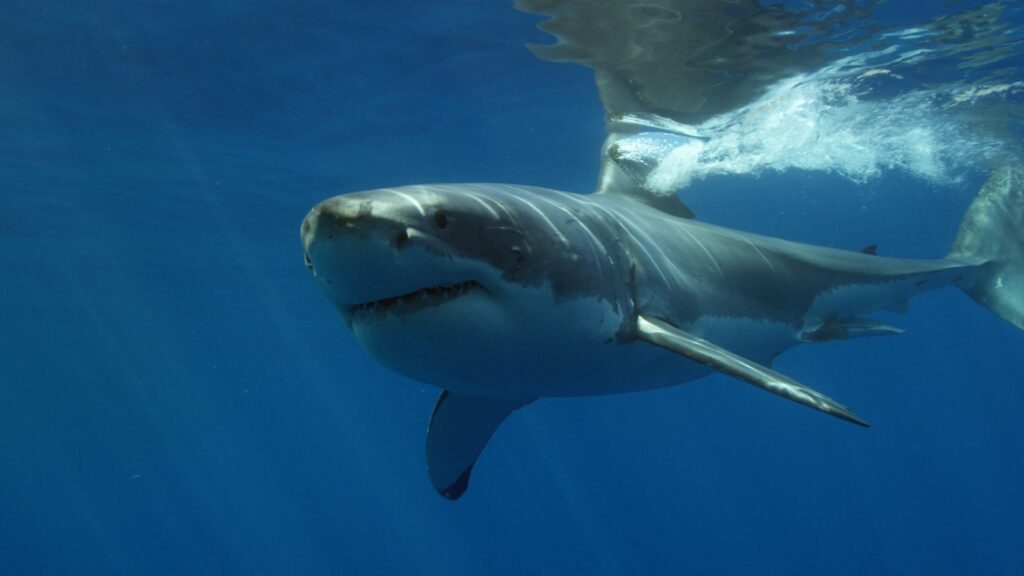
A family swim in clear Caribbean water turned into a nightmare when a mother was fatally injured in a suspected shark encounter while she was out with loved ones. The woman, a visiting grandmother on vacation, was pulled from the ocean after losing an arm, and despite frantic efforts to save her, she did not survive. Her death has shaken both her relatives and the local community, and it has reopened hard questions about how people think about sharks, risk and safety in the water.
Friends describe a woman who loved travel, sunshine and time with her family, not someone chasing danger or ignoring warnings. She went into the water for the same reason most tourists do, expecting a relaxed snorkel and a few photos, and ended up at the center of a rare but devastating attack. Her story now sits alongside other recent shark incidents that have rattled beachgoers from the Caribbean to California, even as experts keep reminding everyone that such encounters are still extremely uncommon.

The Family Trip That Was Supposed To Be Pure Escape
The woman at the heart of this story, identified by authorities as Arlene Lillis of Minnesota, had flown south for a warm‑weather break with her family. Relatives and friends have described her as a devoted grandmother who built her life around kids, grandkids and simple joys like swimming and snorkeling. Police later confirmed that Arlene Lillis of was the visitor killed in the suspected shark attack, turning what had been a long‑anticipated getaway into a scene of chaos and grief.
Family vacations like this are usually built around easy routines: breakfast together, a walk to the beach, a few hours in the water and maybe a sunset drink before dinner. That was the kind of low‑key escape her loved ones say they were aiming for, not an adrenaline‑heavy adventure. The group chose a popular snorkeling area that other tourists were using the same day, a spot that had not been flagged as unusually dangerous, which is part of why the sudden violence of the encounter has been so hard for them to process.
Moments In The Water Before Everything Changed
Witness accounts describe a calm scene in the water just before the attack, with swimmers spread out over a reef and people chatting through snorkels as they watched fish below. Arlene was snorkeling near her family when the situation shifted in seconds, from relaxed floating to screams for help. A report on the incident notes that a 56-year-old woman lost her arm in the suspected shark attack while snorkeling in the same area, a detail that matches what rescuers later described at the scene.
People on nearby boats and along the shore heard the cries and realized something was very wrong. Some initially thought a swimmer was caught in a current or having a medical emergency, until they saw blood in the water and understood that a shark was involved. That shift, from confusion to clarity, is the moment several witnesses say they will never forget, because it forced them to move from bystanders to rescuers in an instant.
Rescuers Who Refused To Stay On The Sidelines
Among the first to reach Arlene was a nurse and former lifeguard who happened to be nearby and did what trained people do, which is run toward the danger instead of away from it. A local outlet in the Virgin Islands later reported that this responder, who had lifeguard experience in Utah, helped pull her from the water and tried to stabilize her while others called for help. That account, shared through the Virgin Islands news outlet St Thomas Source, describes a frantic effort to get her onto a boat and then to shore so she could be rushed to medical care.
Video coverage later highlighted how that one‑time lifeguard from Utah believed Arlene was still trying to save herself in the water, keeping herself afloat even after suffering catastrophic injuries. That detail has stuck with many people who followed the story, because it speaks to both her will to live and the brutal reality of what she was facing. The rescuers used towels and makeshift tourniquets, shouted instructions and tried to keep her conscious, all while knowing that every second counted.
“I’m Going To Die”: Her Final Words And The Fight To Save Her
Even after she was pulled from the water, Arlene was still conscious long enough to speak to the people trying to save her. One of the rescuers later recalled that she looked at them and said, “I’m going to die,” a sentence that cut through the noise of the scene and has haunted them ever since. That moment was described in detail in a human‑interest account that noted how the Grandma Was Still and yet seemed to understand the severity of her injuries better than anyone around her wanted to admit.
Emergency crews met the boat and continued life‑saving measures, but the damage from the bite, including the loss of her arm, was too extensive. Police later confirmed that she died from her injuries despite the rapid response and the intense effort to keep her alive. For the nurse and other helpers, that outcome has been hard to reconcile with how quickly they acted, and it has left them replaying every decision in their minds even though medical experts say the odds were stacked against her from the moment the shark struck.
A Husband’s Grief And A Family Left Reeling
Back home, Arlene’s husband has been open about how shattered he feels, describing a life that suddenly has a hole in the middle of it. In one account, he said that Arlene Lillis “will be missed every second,” a line that captures the way grief can feel constant and physical, not just emotional. He has talked about the everyday rituals that now feel strange, from making coffee alone to seeing her empty side of the bed.
For her children and grandchildren, the loss is tangled up with the memory of that day in the water, which is something they will likely carry for the rest of their lives. They are trying to honor her by remembering the parts of her personality that had nothing to do with sharks or headlines, like her sense of humor, her habit of over‑packing snacks for any outing and her insistence on family group photos even when everyone groaned. Those details matter because they remind people that she was not just a victim in a tragic story, but a full person whose life stretched far beyond the final minutes that strangers now know about.
How Officials Pieced Together What Happened
Local authorities moved quickly to secure the area and interview witnesses, trying to understand exactly what kind of shark was involved and whether there was an ongoing threat. Police confirmed that the woman, identified as Arlene Lillis of Minnesota, died from her injuries after being pulled from the water, and they emphasized that there had been a coordinated effort to save her life. Their statement, which noted that Police were still working to determine the exact circumstances, also included a message of sympathy that began with the words “Our hearts are with the family and loved ones,” a phrase that has since been repeated by community members.
Investigators looked at bite patterns and consulted shark experts to confirm that this was not a boating accident or some other kind of trauma. While they have not publicly released every technical detail, they have treated the case as a suspected shark attack from the start, which shaped how they communicated with the public and with tourists. Officials also had to balance transparency with the risk of sparking panic, especially in a region where tourism is a major part of the economy and where most visitors will never have a dangerous encounter in the water.
Other Recent Shark Incidents Adding To The Anxiety
Arlene’s death did not happen in isolation, and part of why it has drawn so much attention is that it arrived on the heels of other high‑profile shark cases. Earlier this year, authorities in California confirmed that a missing swimmer in Monterey County had in fact been killed by a shark, after remains were recovered and examined. That case, which was reported as a Shark attack in Monterey County, reminded people that these incidents are not limited to tropical vacation spots and can unfold even in waters that locals think they know well.
Tourists have also been rattled by stories from other popular destinations, including the Bahamas, where a beloved mother was killed by a bull shark while snorkeling with her family. That attack happened less than half a mile from another fatal incident in 2019, and coverage of the more recent case noted that a dream family vacation ended in tragedy and later inspired a memorial effort called Jordan Lindsey’s Gentle. When people hear about Arlene’s story alongside those, it can start to feel like shark attacks are everywhere, even though the statistics still show they are rare compared with the number of people who swim and snorkel every day.
Why These Stories Hit So Hard, Even When The Risk Is Low
Part of what makes shark attacks so emotionally charged is the way they collide with some of people’s deepest fears about the ocean. Most swimmers are comfortable with the idea of waves and currents, but the thought of a powerful animal emerging from below taps into something more primal. When a grandmother like Arlene, who went into the water for a gentle snorkel with her family, ends up losing an arm and telling rescuers she believes she is going to die, as described in the account of the She Told Rescuers moment, it becomes almost impossible for people not to picture themselves or someone they love in that position.
At the same time, experts keep pointing out that the ocean is not a theme park and that wild animals behave according to their own instincts, not human schedules or vacation plans. The challenge is figuring out how to respect that reality without letting fear shut down activities that bring people joy and connection. Stories like Arlene’s can either push communities toward blanket bans and panic, or they can spark more nuanced conversations about safety, education and how to support families who are left grieving after something so sudden and violent.
Living With The Ocean, And With The Memory Of What Happened
For the people who loved Arlene, the ocean will probably never look quite the same again, no matter how many statistics they read about low risk. Some of them may avoid snorkeling or open‑water swimming altogether, while others might eventually return to the water but carry a quiet awareness that was not there before. They are now part of a small but visible group of families whose vacations have been marked forever by a shark encounter, a group that includes relatives of victims in the Virgin Islands, the Bahamas and places like Monterey County.
Communities that depend on tourism are also learning how to hold space for that grief while still welcoming visitors and encouraging them to enjoy the sea responsibly. That can mean clearer signage, better briefings from tour operators and more honest conversations about what to do if something feels off in the water. In the end, Arlene’s story is not just about a single tragic day, but about how people choose to remember her, how they talk to their kids about the ocean and how they balance the pull of beautiful places with the respect that wild environments demand.
More from Decluttering Mom: