


The search for 14‑year‑old Belfast schoolboy Noah Donohoe gripped a city and shattered a family, ending with his body being recovered from a storm drain in north Belfast. For his mother, Fiona Donohoe, those days between his disappearance and the discovery of his body were, in her own words, a “living nightmare” that has not really ended. As a jury now hears evidence about how Noah died, her fight has shifted from frantic searching on the streets to a determined push inside a courtroom for answers she says she still does not have.
What is unfolding around Noah’s inquest is not just a legal process, but a raw portrait of a parent trying to make sense of the unthinkable. Fiona has spoken of horror that her son could access a storm drain at all, of disbelief at the gaps in what she has been told, and of a desperate need to understand what happened in the hours after he left home and never came back. Her testimony has turned a cold case file into something painfully human.

Noah’s final journey through Belfast
Before his name became shorthand for a tragedy, Noah Donohoe was a 14‑year‑old boy from Belfast, a school pupil whose life followed the usual rhythms of classes, friends and family routines. On a June afternoon in 2020, he set off on his bike and simply did not return, triggering a missing person search that quickly grew from family worry to citywide alarm. A week later, his body was found in a storm drain in north Belfast, a discovery that answered one question about where he was, but opened many more about how he got there and why.
The basic outline of that final journey is now familiar to anyone who has followed the case. Reporting on the inquest has set out how Noah Donohoe was when he went missing and was later recovered from a storm drain in north Belfast, a stark fact that sits at the heart of everything that has followed. That same account roots the story firmly in Belfast, underlining how a short bike ride through familiar streets somehow ended at an underground drainage system that most residents never see, and that Noah’s mother now cannot stop thinking about.
A mother’s “living nightmare”
For Fiona Donohoe, the hours after she realised Noah was missing were not a blur, but a series of sharp, unforgettable moments that she has now had to relive in front of a jury. She has described the period between her son’s disappearance and the discovery of his body as a “living nightmare”, a phrase that captures both the panic of the search and the slow, grinding fear that settled in as time passed with no sign of him. In her statement, she talked about moving from hope to dread, and then to a kind of numb determination to keep going because there was no other choice.
Those details have been laid out in court, where Ms Donohoe has been asked to walk through the day Noah went missing and the days that followed. Another account of the inquest records how Fiona Donohoe told the jury that the time between her son’s disappearance and the discovery of his body “was a living nightmare”, a line that has echoed far beyond the courtroom. It is not just a description of past days, but of an ongoing state she says she is still living in while she waits for answers.
Inside the frantic search
The search for Noah was not a quiet, behind‑the‑scenes operation. It played out in real time on Belfast streets, with police, volunteers and neighbours combing areas where he might have gone. Fiona has recalled how she threw herself into that search, moving from place to place, clinging to any hint or suggestion that might lead to her son. The city’s geography, from residential streets to the Cavehill area, became a map of possibilities and fears as each new location was checked and ruled out.
In her statement, Fiona described how the period between Noah being reported missing and the discovery of his body felt like an endless loop of calls, searches and dead ends, a feeling captured in coverage that details how she experienced those days as a relentless search. Another report notes that she was “desperate” for information about what had happened in the Cavehill area of Belfast, a detail highlighted when the Mother of Noah spoke about her need to understand every step of his movements. That mix of on‑the‑ground searching and unanswered questions is what still drives her today.
The storm drain and a mother’s horror
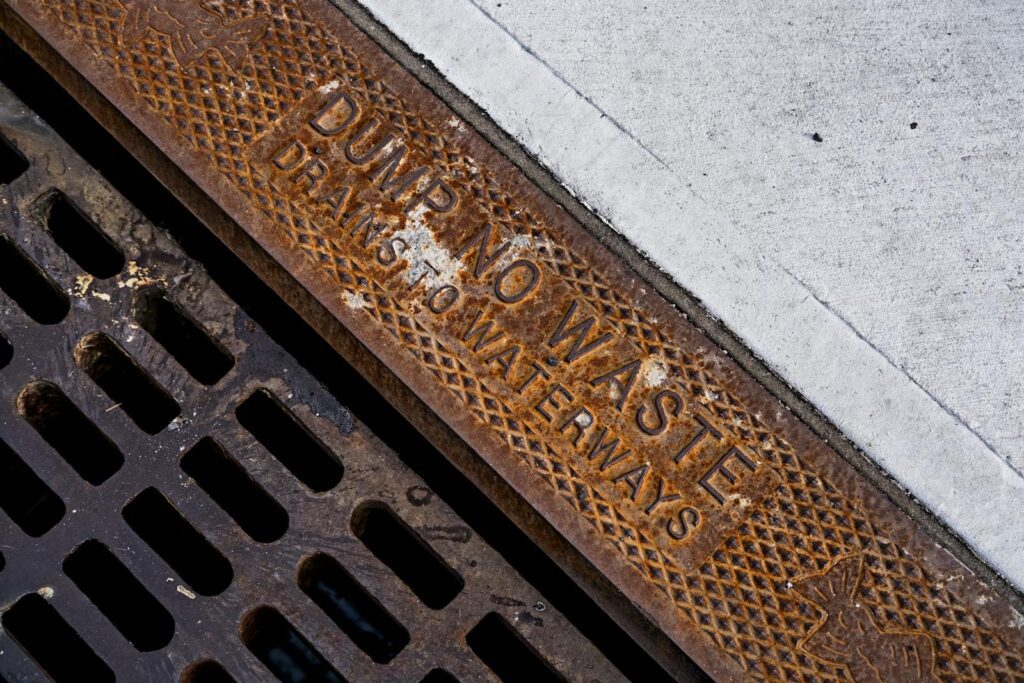
If there is one detail that seems to haunt Fiona more than any other, it is the fact that Noah ended up in a storm drain at all. She has said she is horrified that her son was able to access such a dangerous piece of infrastructure, and that this is even part of the story of his death. For a parent, the idea that a child could move from a bike ride on city streets to an underground drainage system is almost impossible to process, and Fiona has made clear that she wants to know exactly how that could have happened.
That sense of horror has been spelled out in the inquest, where coverage records that Fiona says she that Noah could access the storm drain where his body was later found. Another account of the proceedings notes that Noah Donohoe was discovered in that drain in north Belfast, a stark reminder that this is not an abstract safety issue but a specific place tied to a specific loss. For Fiona, the drain is not just a piece of infrastructure, it is the endpoint of her son’s final journey, and she wants to know why it was even possible for him to be there.
What the inquest is trying to answer
All of this emotion is now being channelled into a formal inquest, a process that is meant to move beyond rumours and speculation and establish clear findings about how Noah died. A jury has been sworn in, and they are being asked to listen to evidence about his movements, the search, the storm drain and the medical findings. The goal is not to assign criminal blame, but to set out, as precisely as possible, what happened and whether anything could or should have been done differently.
The scale of that task is clear from the way the inquest has been set up. Earlier this month, process to select began ahead of the hearings into the death of Belfast schoolboy Noah Donohoe, whose body was found in a storm drain and whose death was recorded as due to drowning. Once the jury was in place, the coroner gave them an overview of the case, something described in another report that notes how said she had some time for the inquest to begin. That delay has only added to Fiona’s sense that she has been living in limbo.
Fiona’s portrait of Noah: a boy with a “lust for life”
Inside the courtroom, Fiona has not only talked about the worst days of her life, she has also tried to bring Noah back into focus as a person rather than just a case number. She has described her son as having a “lust for life”, a phrase that paints a picture of a teenager who was curious, energetic and engaged with the world around him. For a jury being asked to weigh clinical evidence and technical details, that reminder of who Noah was in life matters.
One account of the inquest notes that Noah Donohoe was described by his mother as having that “lust for life” during the inquest into her son’s death, a detail that sits alongside the more technical evidence the jury is hearing. Another report on the background to the hearings reminds readers that Noah Donohoe was when he went missing, underlining how young he was when that life was cut short. Fiona’s choice of words is a quiet pushback against any attempt to reduce her son to a set of forensic findings.
“Desperate” for answers, years on
Even with the inquest finally under way, Fiona has been clear that she does not feel she has the full picture of what happened to Noah. She has used the word “desperate” to describe her need for answers, a word that speaks to both urgency and exhaustion. Years after his death, she is still asking basic questions about how he ended up in the storm drain, what exactly happened in the Cavehill area, and whether anything was missed in the early stages of the investigation.
That sense of unresolved grief has been captured in coverage that reports how the Mother of Noah remains “desperate” for answers about the death of the schoolboy and what happened in the Cavehill area of Belfast. The same report credits journalists Jonathan McCambridge and Rebecca Black of the Press Association with setting out her position, underlining how her push for clarity has become a matter of public record. For Fiona, the inquest is not the end of the story, but another step in a long campaign to make sense of what happened.
The long wait for a jury to hear the case
Part of what has made this ordeal so hard for Fiona is how long it has taken to reach this point. Noah died in 2020, but the jury only began to be selected earlier this year, leaving his mother in a holding pattern where she had to keep reliving the loss without the structure of a formal hearing. That delay has been a source of frustration and pain, especially as public interest in the case has remained high and speculation has filled some of the gaps left by official silence.
The timeline is set out in reporting that explains how, earlier this month, process to select got under way ahead of the inquest into the death of Belfast schoolboy Noah Donohoe, whose body was found in a storm drain and whose death was recorded as due to drowning. Another account of the first day of the inquest notes that said she had some time for the inquest to begin, a reference to the coroner acknowledging the delay Fiona had endured. That acknowledgement does not erase the years she has spent waiting, but it does at least recognise that the system has moved slowly while a family has been stuck in grief.
A case that has become bigger than one family
While everything about this story starts with a mother and her son, the questions raised by Noah’s death now reach far beyond one family. People in Belfast and beyond have followed the case closely, asking what it says about how missing children are searched for, how urban infrastructure is secured, and how transparent authorities are when something goes terribly wrong. The inquest has become a focal point for those wider concerns, even as it remains, at its core, about Noah and Fiona.
The public dimension of the case is clear from the sustained coverage and the way key details keep being revisited as the inquest unfolds. Reports have repeatedly underlined that Ms Donohoe was living through a nightmare after her son was reported missing, that Noah Donohoe was a 14‑year‑old boy from Belfast whose body was found in a storm drain, and that his mother remains desperate for answers. Those repeated facts are not just background, they are the foundation for a wider conversation about how a city responds when a child disappears and a family is left trying to piece together the truth.
More from Decluttering Mom: