


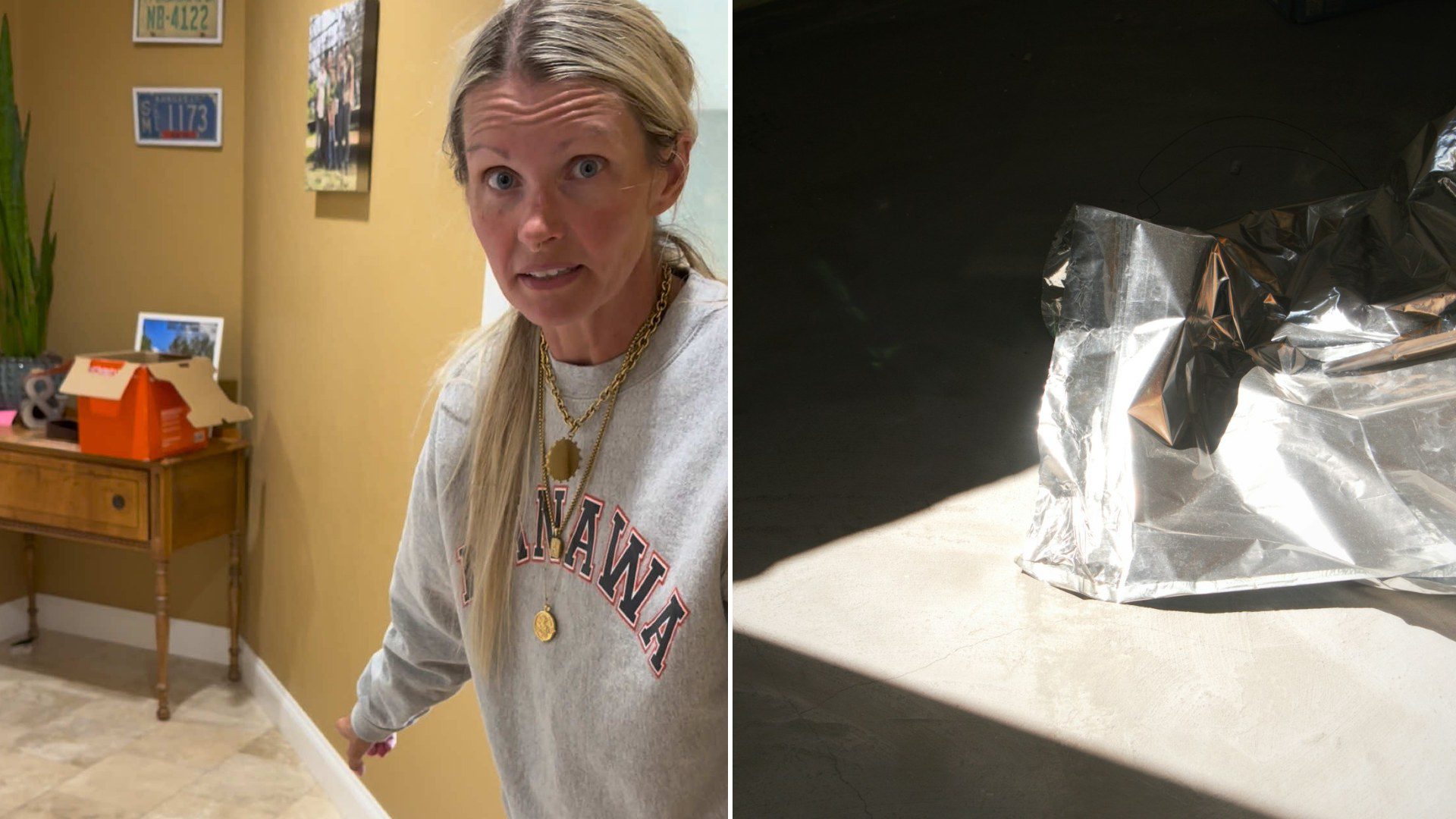
A mother on TikTok has gone viral for an experiment in household patience that most parents will recognize instantly, whether or not they’ve tried it themselves: leaving a single piece of trash on the floor, on purpose, to see how long it would take anyone else in the house to pick it up.
@herky_jerk_ranch Mom life. #momsoftiktok #momlifebelike #family #familylife
♬ original sound – Herky_Jerk_Ranch
“Mom life,” she captioned the video simply, tagging it with hashtags like #momsoftiktok, #momlifebelike, #family, and #familylife, the kind of understated caption that lets the video itself do the talking. And the video does exactly that: it shows the mother ranting, with clear exasperation, to her children about the piece of trash that sat untouched on the floor for an entire week, ignored by everyone in the household except her.
The premise is almost scientific in its simplicity. Rather than picking up the trash herself the moment she noticed it, as most parents instinctively do dozens of times a day without a second thought, she left it there deliberately, essentially running a household experiment to see whether her kids, or anyone else, would eventually notice and deal with it without being told. A week later, with the trash still sitting exactly where it had been left, she finally broke her silence and confronted her children directly, using the moment to drive home a point about the invisible labor of keeping a house clean.
The story taps into a frustration familiar to countless parents, particularly mothers, who often find themselves as the default household manager, the person who notices, picks up, and cleans without ever being asked, while other members of the household walk past the same mess day after day without registering it at all. A week is a strikingly long time for a single piece of trash to go untouched, and that duration is really the point of the story: it’s not a hypothetical or an exaggeration for effect, it’s a real, extended test of just how long a household will ignore a small mess before an adult intervenes.
What makes the video resonate isn’t just the trash itself, but what it represents. Most parents have had the experience of feeling like they’re the only one who notices what needs to be done around the house, whether it’s a stray sock, dishes in the sink, or, in this case, a literal piece of garbage on the floor. The confrontation she finally has with her kids isn’t really about that one piece of trash. It’s about trying to teach a household full of people, kids especially, to actually see the mess around them rather than stepping over it and assuming someone else, almost always mom, will handle it.
The video’s reach, roughly 2 million views, speaks to how widely shared this particular frustration is among parents. It’s a funny video, delivered with the kind of exasperated humor that makes it entertaining rather than bitter, but it’s also a genuinely pointed piece of commentary on household labor and the mental load that so often falls disproportionately on one parent, usually mom, to notice and manage.
By finally addressing it directly with her kids rather than quietly picking it up herself as she normally would have, the mother turned a small, ongoing annoyance into a teaching moment, and a relatable piece of content for millions of other parents living the exact same reality.
Teaching Kids to Notice, Not Just Help When Asked
Getting kids to genuinely notice household messes, rather than waiting to be told exactly what to do, is a common challenge for parents, and it often requires more than a single conversation to shift. Family and parenting experts frequently suggest that assigning kids ownership over specific areas or chores, rather than relying on them to spontaneously notice a mess, can help build the habit of self-directed responsibility over time. Modeling the behavior out loud, narrating what you notice and why you’re picking it up, can also help kids start to build that same awareness for themselves. And having an honest, calm conversation about the mental load of running a household, framed around fairness rather than blame, tends to land better with kids, especially older ones, than a one-off outburst, even a justified one after a week of watching a piece of trash go untouched.