

You feel the weight of one small decision: how to feed your 3-month-old while flying overseas. She worries about ear pain during takeoff, keeping milk supply steady, and whether to breastfeed, pump, or use bottles on the plane. Choose the option that keeps your baby calm and maintains feeding frequency — that choice usually works best.
This piece will walk through practical steps to protect baby’s ears during altitude changes, options for expressing and storing milk, and how to prep supplies and documents before you go. Expect clear, actionable tips that help turn that anxious knot into a manageable travel plan.

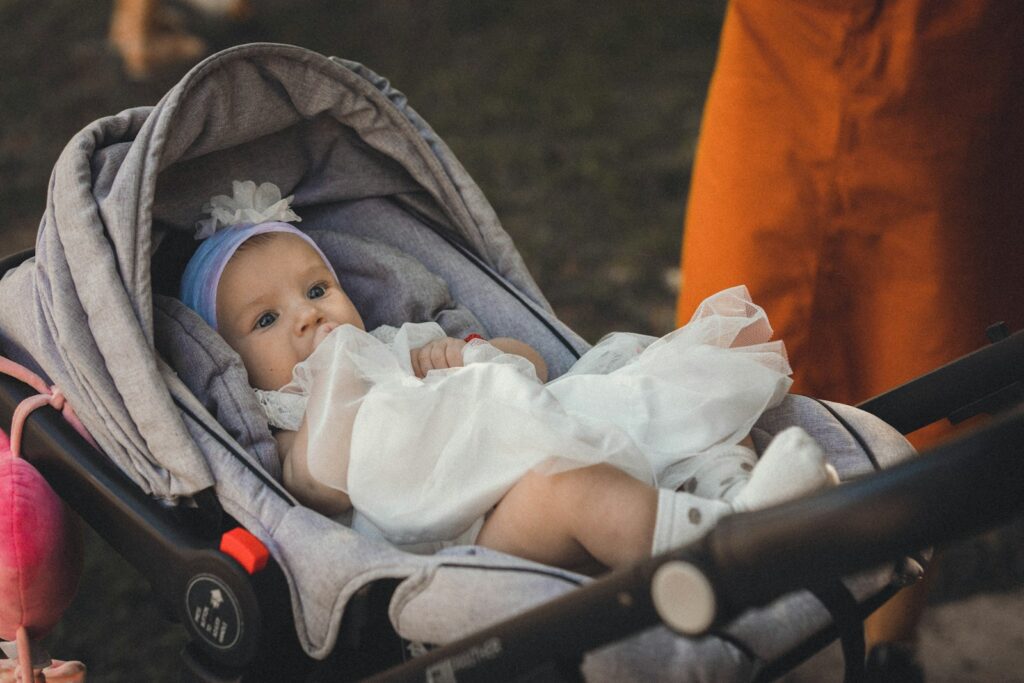
Facing Feeding Decisions Before Flying
She needs clear, practical steps to choose feeding methods, manage timing across time zones, pack supplies that meet regulations, and plan feedings for takeoff, landing, and in-flight comfort.
Breastfeeding vs. Formula Feeding for International Flights
Breastfeeding on a flight often simplifies intake: no sterilizing bottles, fewer fluids to carry, and milk stays at body temperature. Many airlines and countries permit nursing onboard; parents should confirm airline policies and seating options like bulkhead rows for easier positioning.
Formula feeding gives predictable volumes and lets another adult feed the infant during long legs. Parents should pack pre-measured formula, ready-to-use formula, or measured powder with a clean bottle. If using bottled water, choose sealed commercial bottles or use onboard water only after confirming it’s safe for mixing.
If expressing milk, bring a small cooler with ice packs and use insulated bottle bags. Check destination rules about bringing human milk and consider a letter from a pediatrician if crossing borders.
Managing Feeding Schedules Around Travel and Time Zones
Plan a flexible schedule rather than rigid feeding windows. Feed the baby before leaving for the airport and again just before boarding to reduce fussing during boarding lines.
For time-zone changes, shift the schedule gradually if possible: move feeding times 15–30 minutes earlier or later each day starting a few days before departure. On long-haul flights, follow the baby’s hunger cues rather than strictly adhering to home time; short naps and on-demand feeds help maintain comfort.
Keep a log of feeding times and quantities in a notes app or small notebook. This helps maintain routine, track how the baby responds to the new schedule, and provides data to share with caregivers at the destination.
Handling Feeding Supplies and TSA Regulations
Carry feeding supplies in a dedicated carry-on bag for quick access. Essentials: breast pump (if used), extra flanges and tubing, insulated cooler with ice packs, pre-measured formula or ready-to-feed bottles, bottle brush, and sterilizing wipes.
TSA permits breast milk, expressed milk, formula, and juice in quantities greater than 3.4 oz; declare them at security. Keep them separate from other liquids and be prepared for additional screening. For international travel, check customs rules and airline-specific baggage allowances for coolers and pump gear.
Bring written documentation for prescription pump supplies or medications if needed. Use clear zip bags to organize bottles and pump parts so security and flight staff can quickly see contents.
Planning for Feeding During Takeoff, Landing, and In-Flight
During ascent and descent, swallowing helps equalize ear pressure. Offer a feed, pacifier, or bottle at takeoff and landing to reduce ear pain and irritability.
Plan seating so someone can safely hold the infant during feeding—request a bassinet seat early if eligible. If breastfeeding in a narrow aisle seat, use a nursing cover or loose blanket for privacy if desired, and ask a flight attendant for assistance when the cabin is busy.
For long flights, schedule pump breaks and store expressed milk in an insulated bag with ice packs. Sanitize hands and bottle nipples with wipes before feeds. Keep backup bottles and a few single-use formula packets in case of delays or lost luggage.
Preparing for a Smooth Overseas Journey With Your Baby
Plan medical clearance, documents, compact gear, and in-flight arrangements early. Prioritize a pediatric check, up-to-date health records, a focused packing list for a 3-month-old, and seat/bassinet options that reduce stress during long flights.
Getting Your Pediatrician’s Approval to Travel
She should book the pediatric appointment at least 4–6 weeks before departure to allow time for any tests or advice. Bring the baby’s full health record, feeding notes, and a list of destinations and planned activities so the doctor can assess risks specific to the route and climate.
Ask about respiratory issues, ear pain on descent, and whether the baby has any congenital or recent conditions that would affect flying. Request written clearance if an airline or embassy requires it, and get dosing guidance for infant acetaminophen or other small-dose medications in case of fever or discomfort.
If the baby is on formula or supplements, confirm recommended brands or water safety at the destination. Finally, have the pediatrician note any special handling instructions for immigration or airlines—this paperwork can prevent delays at check-in or border control.
Vaccination Schedules and Health Checks
She should verify which routine vaccines her 3-month-old has already received and check timing for next doses; many countries expect standard infant immunizations. Review the destination’s required or recommended vaccines for infants—some places advise additional shots or timings that differ from local schedules.
Bring printed and digital copies of the baby’s immunization record. Some airlines and countries accept electronic records, but hard copies avoid tech issues. If any travel-required vaccines are suggested, discuss timing; live vaccines and certain travel vaccines may not be appropriate for a 3-month-old.
Plan a pre-travel well-child visit 7–14 days before leaving to screen for acute illness and confirm the baby is healthy for travel. If traveling to a region with higher infection risk, ask the pediatrician about mosquito prevention and safe topical products for infants.
Packing Essentials for Traveling With a 3-Month-Old
Pack a dedicated carry-on with: enough diapers for double the travel time, two changes of clothes for baby and one for caregiver, formula or breast-pump supplies, sterile bottles, a small medical kit, and a lightweight muslin blanket. Include extra pacifiers, disposable changing pads, and sanitizing wipes.
Bring documentation: passport, immunization record, pediatrician’s letter, and travel insurance with pediatric coverage. For feeding, carry measured powdered formula in a dispenser and an insulated bottle bag; confirm airline rules for bringing prepared formula or hot water. Add a compact, foldable changing pad and a baby first-aid kit with weight-based medication dosing.
Use packing cubes or zip bags to separate categories (feeding, diapering, medical). Keep the carry-on within reach during boarding. For checked luggage, place a travel crib and spare blankets; tag gear clearly for quicker retrieval.
Booking Flights, Choosing Seats, and Bassinet Arrangements
She should choose flights with minimal connections and plan overnight segments that align with the baby’s sleep pattern when possible. Book early to secure bulkhead seats with bassinet availability; many airlines allocate bassinets on a first-come, first-served basis.
Review airline policies online for lap infant rules, baggage allowances, and documentation required at check-in. If the baby has a purchased seat, bring a car seat certified for the destination; confirm it meets airline and local safety standards. For lap travel, verify whether the airline supplies seatbelt extensions for infant use during turbulence.
Contact the airline after booking to request a bassinet and confirm seat assignment 48–72 hours before departure. At check-in, arrive early to handle gate seating changes or to request assistance with boarding. Consider travel times, connection windows, and the airport’s family facilities when choosing flights.
More from Decluttering Mom: