


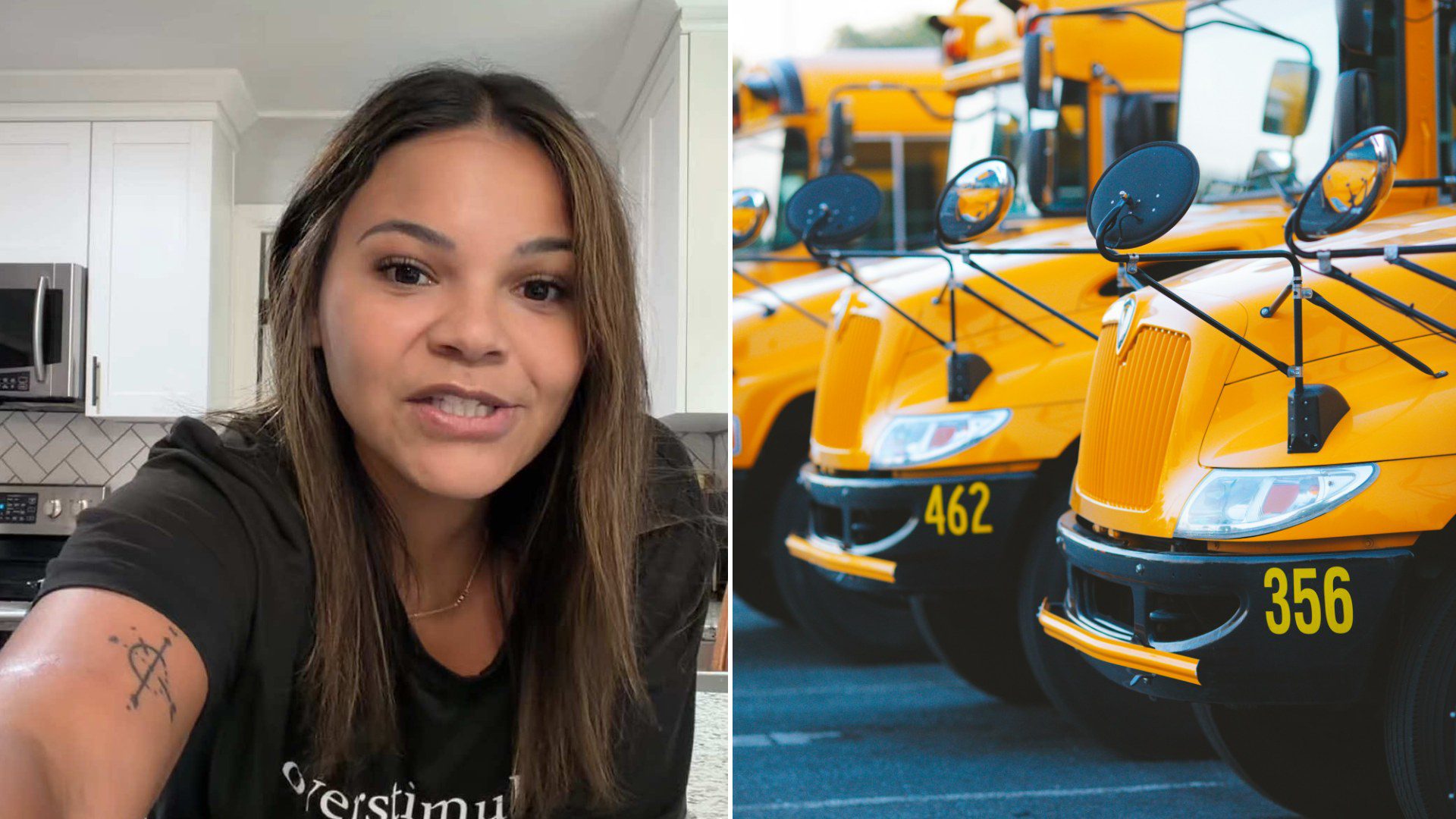
A mother on TikTok is recounting the frustrations that led her to make a significant change to her family’s morning routine, explaining why she ultimately decided to become her son’s personal school driver every single morning rather than continue relying on his assigned school bus.
@joss_maura Beep beep 🤭 #storytime #jossnunez #facetime #parentsoftiktok ♬ original sound – Joss Núnez
“Beep beep,” she captioned the video, tagged with #storytime, #facetime, and #parentsoftiktok, a playful nod to the very vehicle-related decision at the center of her story. According to the mother, a series of frustrating interactions with her son’s school bus driver ultimately pushed her past her limit, prompting her to take over morning transportation duties herself rather than continue navigating whatever ongoing issues had built up between her family and the bus route.
School bus logistics are one of those unglamorous but genuinely significant pieces of a family’s daily routine, and when they go wrong, whether through timing issues, communication breakdowns, or friction with a driver, the ripple effects touch nearly every part of a parent’s morning. For this mother, the frustration apparently reached a tipping point substantial enough to justify a major shift: giving up whatever free time or flexibility the bus route had previously afforded her mornings, in favor of driving her son to school personally, every day, without exception.
That’s not a small decision. Becoming a child’s daily personal driver means restructuring a morning routine entirely, often adding significant time, gas money, and logistical complexity that the bus system was originally designed to eliminate. For a parent to choose that trade-off, and to feel it necessary to explain the reasoning to her audience rather than simply mentioning it in passing, suggests the underlying frustration with the bus driver situation was significant enough to outweigh the very real convenience the bus previously provided.
The specifics of what exactly went wrong with the bus driver aren’t fully detailed, but the framing of the story, a parent reaching her limit before taking decisive action, is a familiar arc for anyone who has dealt with recurring friction in a system meant to run smoothly in the background of family life. School transportation issues can range from minor scheduling annoyances to more serious concerns about communication, safety, or how a driver interacts with students, and parents often try multiple lower-effort solutions, a conversation with the school, a complaint, a request for a different route, before landing on something as drastic as taking over the responsibility entirely.
The video’s reach, a million views from an account with well over a million followers, suggests this particular flavor of parental frustration, dealing with imperfect systems outside the home that still directly affect your child’s daily life, resonates broadly. Plenty of parents have their own version of a service or institution that stopped working well enough to trust, prompting them to simply take matters into their own hands instead.
Ultimately, the story reflects a parent prioritizing peace of mind over convenience, even at real personal cost to her own time and schedule.
When to Step In on School Transportation Issues
When ongoing issues arise with school bus transportation, documenting specific incidents and communicating them clearly to the school’s transportation department or administration is usually the most effective first step, since schools generally can’t address a problem they don’t know the details of. If initial complaints don’t resolve the issue, escalating to a school administrator or requesting a formal meeting can sometimes bring more attention to a recurring problem. For families who do decide to take over transportation themselves, building a realistic new morning routine, accounting for the added time, cost, and schedule adjustments, can help the change feel manageable rather than like an ongoing sacrifice. Whatever the resolution, prioritizing a child’s sense of safety and consistency on the way to school is generally worth the extra effort it takes to get there.