

You hold the toothbrush and the ticking clock, watching the small body squirm as teeth time turns into a meltdown. Parents face this morning-and-night ritual knowing it’s essential for health but feeling helpless when the only advice offered online is to “just hold him down.” You can stop the screaming without force by using simple routines, playful distraction, and bite-sized choices that make brushing feel like a team activity.
This piece explores why brushing a toddler’s teeth becomes a power struggle, what makes the usual advice unworkable, and practical, kinder techniques you can try tonight and in the morning. Expect clear, doable steps that fit real mornings and real temperaments.

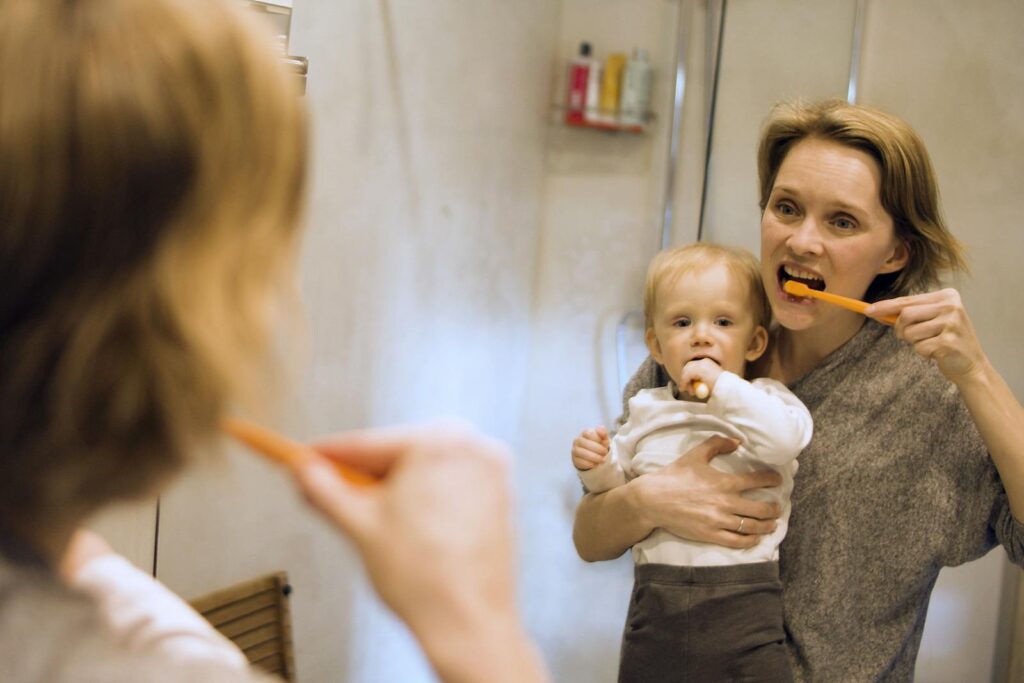
Why Brushing a Toddler’s Teeth Turns Into a Daily Struggle
Toddlers often push back because the moment feels unpredictable and out of their control. That loss of control, plus sensory issues and timing conflicts, explains most of the shouting, tears, and wrestling.
Common Reasons Toddlers Resist Brushing
Many toddlers resist because toothbrushing feels invasive. A toothbrush in a small mouth can trigger gagging, ticklishness, or a sharp sensory dislike of paste texture and mint flavor. Those responses are common for children with heightened oral sensitivity.
Power and independence also matter. A toddler who’s asserting autonomy will refuse anything done to them without consent. Brushing during a nap transition, right after a tantrum, or when they’re deeply engaged in play increases resistance.
Finally, inconsistency in routine and hurried parents make compliance harder. Kids respond better when brushing happens at predictable times with a calm, patient caregiver leading the steps.
Emotional Impact on Parents and Kids
Daily battles wear people down fast. Parents feel guilt, frustration, and helplessness when a simple health task becomes a performance of force. Repeated fights can erode patience and make caregivers dread bedtime.
Toddlers pick up on that tension. They may cry more, tighten their jaw, or clench their bodies during brushing because they sense stress in the adult. That reaction reinforces avoidance, creating a cycle where both parties expect resistance and deliver it.
This emotional loop also affects trust. If a child learns brushing equals struggle, they may resist future attempts even when calmer. Small wins—short, controlled sessions—help rebuild trust over time.
Well-Meaning but Unhelpful Advice
Advice like “just hold him down” prioritizes short-term compliance over emotional safety. Physical restraint can escalate fear, increase aversion to oral care, and damage trust between child and caregiver.
Suggestions to “make it fun” without changing the approach often miss the root cause. Handing a toothbrush as a prop or using a song helps only if the child feels safe and in control. Otherwise, those tactics feel like pressure dressed up as play.
Professional guidance focuses on autonomy and predictability instead. Letting a child explore a brush, offering two toothbrushes, and using a two-step routine gives structure without force. For more practical tips on reducing resistance, see expert strategies for making toothbrushing less scary.
Better Ways to End the Brushing Battle
Small changes to approach, timing, and tools can reduce fights and make brushing faster and more effective. Focus on control, predictability, and making the process mildly fun so the child cooperates more often.
Gentle Parenting Techniques That Actually Help
They should prioritize choice and calm. Offer two acceptable toothbrushes or two toothpaste flavors and let the child pick one; this gives autonomy without derailing the routine. Use a short, neutral script—“Two minutes now, then story”—and repeat it every time so the expectation becomes predictable.
When resistance escalates, they can use timed, small wins: start with 20–30 seconds of parent-led brushing and slowly increase. Physical approach matters too—sitting with the child in their lap facing outward gives control while keeping the child comfortable. Avoid threats or bargaining that turns brushing into negotiation. Praise specific actions (“You brushed the top teeth so well!”) rather than vague compliments.
Creative Distraction and Playful Approaches
Turn brushing into a micro-game or performance. They can sing a two-minute song, play a short video, or use a brushing app with a visible timer to make timekeeping clear and fun. Let a favorite stuffed animal or toy “have their teeth brushed” first to model the motion.
Rotate small rewards that don’t require daily escalation: a sticker chart, a bedtime story token, or a special toothbrush cover. For sensory-averse kids, try a soft electric toothbrush that vibrates gently; some children tolerate it better than manual brushing. Change toothbrush designs seasonally to renew interest. Keep the tone light—play but stay in control so the child understands brushing is non-negotiable.
Building a Positive Tooth Brushing Routine
They should anchor brushing to existing cues: right after breakfast and right before the last bedtime activity. Consistency reduces power struggles because the child knows what comes next. Use a two-minute visual routine: set a sand timer or show a two-minute video so the child sees progress.
Create a short ritual: bathroom light, chosen toothbrush, one minute of child-led brushing, one minute of parent finish. Keep toothpaste amounts age-appropriate (rice-grain for under 3, pea-size for 3–6) and store brushing items where the child can access the toothbrush and see it as part of the day. Schedule dental check-ups every six months to reinforce that brushing matters beyond the household.
More from Decluttering Mom: