


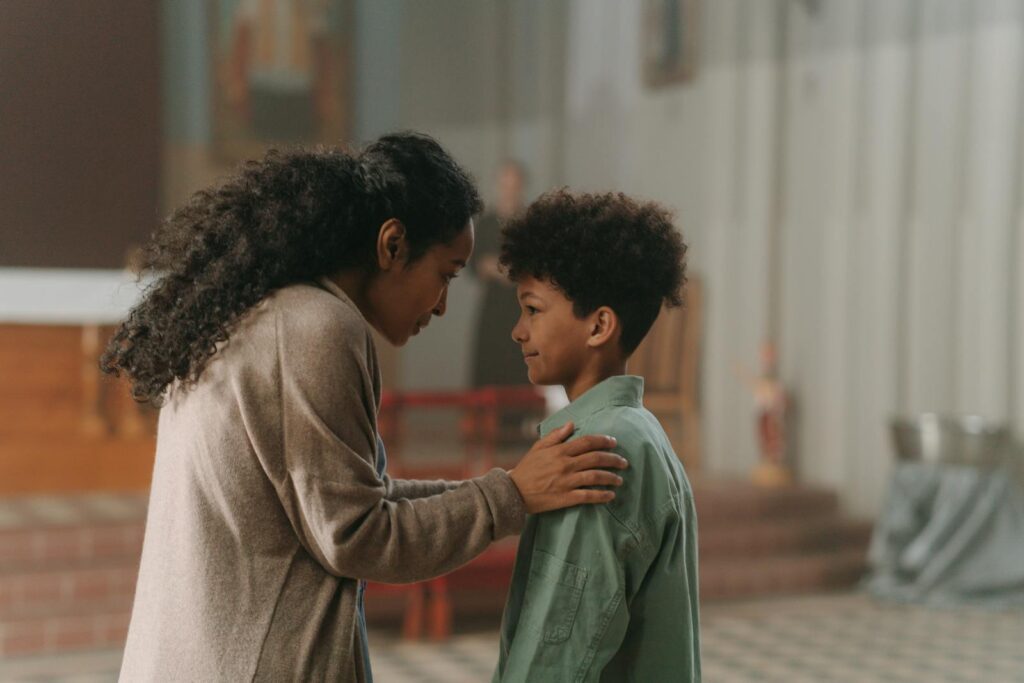
One mom was left unsettled when her 6-year-old son casually revealed that he had stomped on two baby mice. This wasn’t just any incident; it happened as he was helping her with the trash cans after her surgery. He told her he acted out of discomfort, saying he didn’t like the way the baby mice were squirming. She didn’t know how to process this revelation or what it could mean for her son’s future.
The situation raised alarms not just for the mom, but also for her husband, who worried aloud about what this behavior could signify. The thought that their son might grow up to have violent tendencies weighed heavily on both of them. They had never encountered anything like it before, especially with their oldest child.

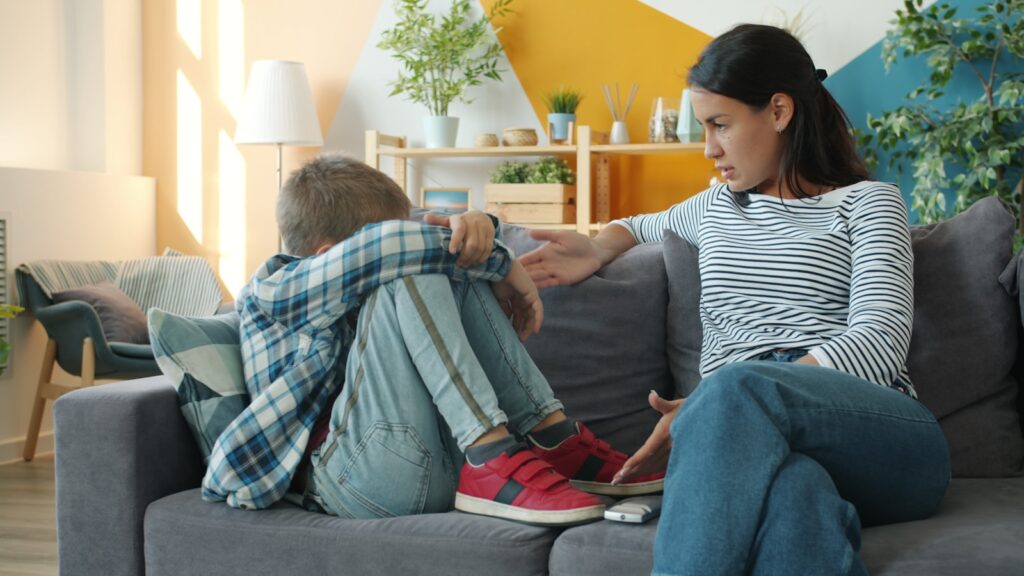
While the parent felt the need to address her son’s actions, she wanted to make sure she did it right. Immediate feelings of concern and confusion lingered as she planned how to talk to him. She didn’t want him to think harming animals was acceptable, yet she also recognized that young children often explore their surroundings in unexpected ways.
After burying the baby mice and apologizing for their deaths, the boy seemed to show a level of understanding. In a conversation with his mother, he was given a framework for understanding life and death. She explained that killing animals for no reason isn’t right, and that those baby mice would likely not have survived anyway without their mother. This context shifted the narrative from one of confusion to a lesson in empathy.
People had very different reactions to her story on Reddit. Some users shared their own childhood experiences involving the harm of small creatures, recounting moments of curiosity gone wrong. One user remembered collecting fireflies just to stomp on them, driven by a need to understand how they glowed. Reflecting on that moment years later, they realized how important it was to communicate an understanding of life’s fragility.
Others chimed in with thoughts on teaching compassion. One commenter mentioned how they discuss the idea of home with their kids when they find bugs. They emphasize that bugs belong outside, much like how humans wouldn’t appreciate a giant coming into their space and squashing them. Such conversations aimed at fostering empathy seem critical to addressing behaviors like those exhibited by the boy.
However, not everyone felt the same way. Some expressed concern that such actions could lead to more troubling behavior down the line. They suggested that this could be a red flag, urging the mom to be vigilant about her son’s interactions with animals and other living beings. The differing opinions reflected a range of worries, from childhood curiosity to potential signs of deeper issues.
This mom now faces the challenge of navigating her son’s behavior and ensuring he understands the importance of kindness to all creatures. With the conversation she’s already had about respect for life, she hopes to encourage a sense of responsibility in her son, steering him towards empathy rather than fear or aggression. The complexity of parenting, especially in moments like these, can be daunting and unpredictable.
The boy’s sudden act, coming from a place of misunderstanding, touched on broader questions about how children learn to navigate their emotions and interactions with the world. Is it something that can be corrected with understanding and guidance, or does it hint at underlying issues that need addressing? Questions linger about the delicate balance between exploring curiosity and instilling empathy.
More from Decluttering Mom: