


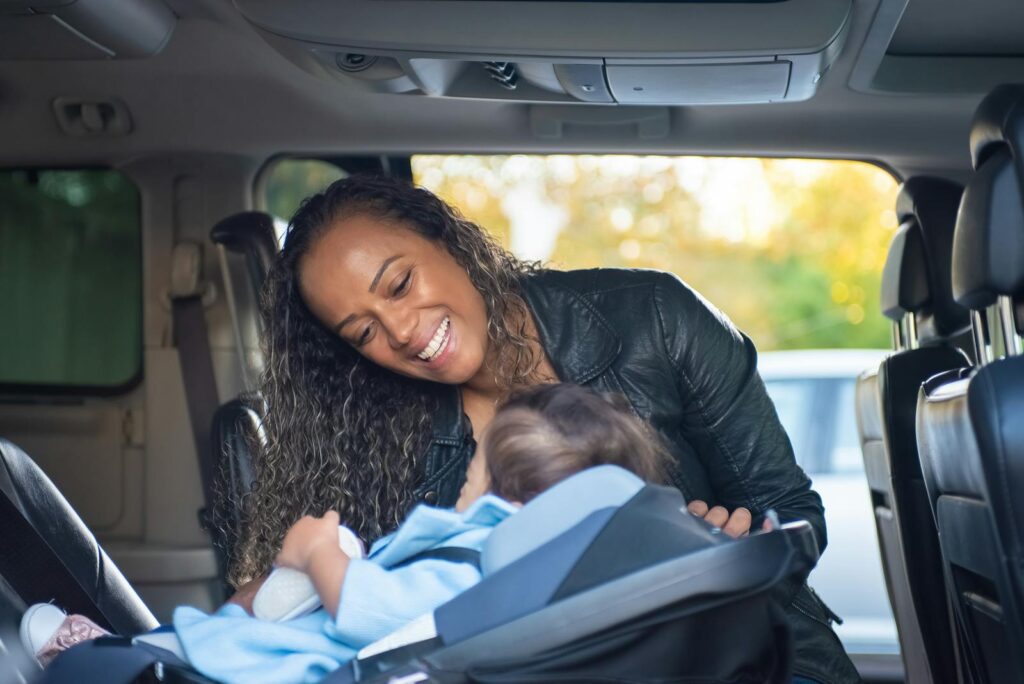
Parents of a baby who screams in the car seat or stroller are not just dealing with a fussy phase. They are juggling safety rules, nap schedules, and their own frayed nerves while feeling trapped at home. When every errand turns into a meltdown, even a quick drive to pick up groceries can start to feel like planning a cross‑country move.
The dread that builds before each buckle click is real, but it is not a sign that anyone is doing this wrong. There are patterns behind that nonstop crying, and once those patterns are understood, families can tweak gear, routines, and expectations so outings feel less like a crisis and more like a manageable part of the day.


Why some babies melt down the second they are buckled
For many families, the screaming starts with something very basic: discomfort. Car seats are built for safety first, which means firm shells, snug straps, and limited wiggle room. That is non‑negotiable for crash protection, but it can leave small bodies in awkward positions. Several guides point out that Discomfort is often the first thing to check when a baby seems to hate rides, because pressure points, twisted clothing, or a too‑upright angle can turn a quiet drive into a full‑body protest.
Fit changes quickly too. Babies grow fast, and a harness that was perfect a month ago can quietly become too tight or too loose. When straps sit in the wrong slot or the crotch buckle digs in, every bump in the road can feel worse. One breakdown of the Reasons Why Your describes how a slightly loose harness can let a baby slump, while a too‑tight one can pinch, and both situations can make a child cry the moment the chest clip snaps into place.
The sensory side matters just as much as the physical setup. Some babies are simply wired to react strongly to noise, motion, and confinement. One overview of why There are so many scream‑filled rides notes that an overstimulated baby, or one with a more intense personality, may find the hum of the highway, flashing sunlight, and vibrating seat overwhelming instead of soothing. Others get motion sick, a problem that general travel guidance on motion sickness links to inner ear sensitivity, which can leave a baby queasy long before anyone spots obvious vomiting.
Fixing the basics: fit, comfort, and safety tweaks that actually help
Once parents suspect discomfort, the first step is a quiet, no‑pressure gear check at home. That means placing the seat on the floor, buckling the baby in for a few minutes, and watching for slumping, chin‑to‑chest positions, or red marks on the shoulders and thighs. A detailed safety checklist on Infants explains that tight straps can actually feel calming to newborns because they mimic swaddling, as long as the harness is adjusted correctly and the head is well supported. If the baby relaxes in the living room but loses it in the car, the problem may be the ride itself, not the seat.
Clothing is another quiet troublemaker. Puffy coats and snowsuits create air pockets under the harness, which is why pediatric safety guidance warns that puffy winter coats should not be worn in car seats. Without that bulk, straps can be tightened properly, which improves safety and often makes the seat feel more secure instead of wobbly. For families layering up in cold climates, that can mean dressing the baby in thin, warm layers, buckling them in, then adding a blanket over the harness rather than under it.
Parents also have to keep an eye on how long a baby stays strapped in. Pediatric travel advice on travel in a stresses that long stretches in the same position can be uncomfortable and can affect breathing for very young infants. That does not mean skipping the seat, but it does mean planning breaks on longer drives, getting the baby out for a stretch, and avoiding extra stroller time in the same infant shell after a long trip. If a baby screams more on the way home than on the way out, fatigue and stiffness may be part of the story.
Turning survival mode into a workable routine
Once the gear and fit are sorted, families can experiment with routines that make rides feel predictable instead of chaotic. Some coaches suggest starting with very short drives, like a loop around the block, so the baby can practice being buckled without staying trapped for an hour. A social media guide on How To Help a baby sit comfortably suggests pairing these tiny outings with a consistent pre‑drive routine, like a diaper change, feed, and short cuddle, so the car seat becomes one more familiar step instead of a surprise.
With the basics in place, distraction can finally pull its weight. One practical list of Engaging Activities to recommends simple tricks like soft toys clipped within reach, gentle music, or a parent’s recorded voice for babies who panic when they cannot see anyone. Other parents swear by low‑light mirrors or soft car‑seat toys that hang from the headrest, a strategy echoed in advice on comfort objects that give babies something safe to grab and stare at while the miles roll by.
More from Decluttering Mom: