


When a five-year-old suddenly starts hitting and biting classmates, it can feel like a flashing neon sign that something has gone very wrong. The behavior is upsetting, the phone call from school is mortifying, and the looming sit-down with the teacher can seem like a judgment on a parent’s entire track record. Underneath the panic, though, there is usually a child who is overwhelmed, not a budding bully.
The stakes feel high because this is often a family’s first real clash with school discipline, arriving just as kids are still learning what to do with big feelings. The dread around that meeting is real, but so is the opportunity to understand what the child is trying to communicate and to build a plan that actually helps.

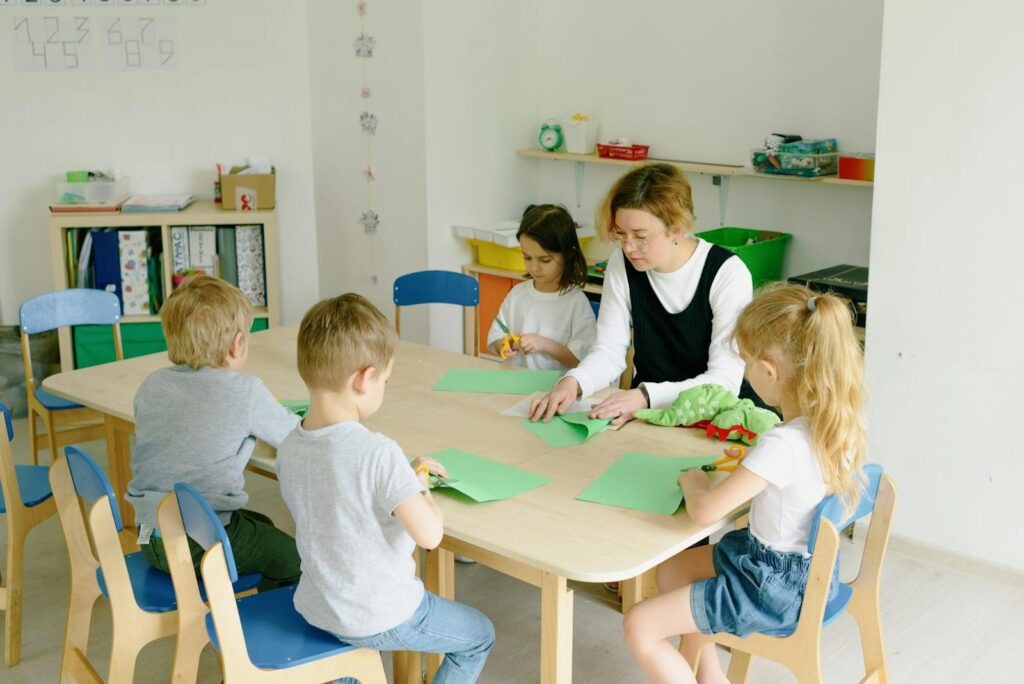
What Hitting And Biting Are Really Saying
Adults tend to see a swing of a fist or a bite mark as defiance, but many specialists frame these episodes as a kind of emergency language. When a child lashes out, it often signals sensory overload, frustration, anxiety, or a gap in social skills rather than simple meanness. Occupational therapists describe hitting and biting as forms of communication that should not be viewed only as misbehavior, and they connect these patterns to how a child processes touch, sound, and movement in the classroom, as outlined in guidance on sensory processing.
Parents who are called in because a kindergartner is hurting peers are often told about the incident, but not always about what came right before it. Behavior specialists push hard on that missing piece and encourage teams to ask why the child is acting out in the first place, rather than jumping straight to consequences. Some recommend a structured look at triggers, such as a functional behavior assessment that tracks what happens before, during, and after an outburst, similar to the ABC (antecedent, behavior, consequence) approach used in formal behavior support frameworks linked through resources like the ABC approach. Using that kind of lens can reveal patterns, like aggression that always shows up during noisy transitions or when another child gets too close.
Walking Into The Meeting Without Falling Apart
The meeting that follows a string of incidents can feel like a trip to the principal’s office for the parent, even when the invite is framed politely. Advocates who coach families through school meetings urge parents to see it as a planning session, not a trial. They suggest arriving with notes about when the behavior shows up at home, questions about what the classroom looks like during problem times, and a short list of what already helps the child calm down. Parent training groups encourage caregivers to plan ahead by viewing behavior as an opportunity to teach, not simply something to stamp out, and to walk in ready to describe the child’s strengths as clearly as the challenges.
On the school side, teachers are often bracing for a defensive reaction, which is why several parenting coaches recommend explicitly positioning everyone as teammates. Some suggest that parents open with a line that makes collaboration clear, such as “I want us to figure this out together,” then move into specific questions about support instead of blame. Families who have to navigate more formal processes, such as an Individualized Education Program, are often told to prepare in advance by watching practical breakdowns of how these meetings work, including step by step videos like this IEP guide that walk through what to ask for and how to keep the focus on the child’s needs.
Helping A Five-Year-Old Learn Better Ways To Cope
Once everyone agrees that the goal is to help the child, not simply to punish, the conversation can shift toward what skills are missing and how to teach them. Pediatric guidance on aggressive behavior in young kids highlights the value of daily one-on-one time without screens, consistent routines, and calm, predictable responses when a child explodes. Clinicians who work with families on disruptive behavior recommend that parents and caregivers intentionally connect with the through short, positive interactions and consider structured parenting classes when aggression is frequent or intense.
In the classroom, specialists often talk about “front-loading” support rather than waiting for the next bite. That can mean adjusting the environment, like giving a child a quieter seat or a fidget, and practicing expected behavior outside of heated moments, a strategy early childhood educators on forums describe as practicing skills when kids are calm instead of only in the middle of a meltdown. Sensory-informed approaches emphasize that putting the right supports in place, such as movement breaks or clear visual schedules, combined with firm but warm boundaries, can reduce hitting and biting over time, especially when adults consistently follow through on behaviour boundaries that have been explained in advance.
More from Decluttering Mom: