


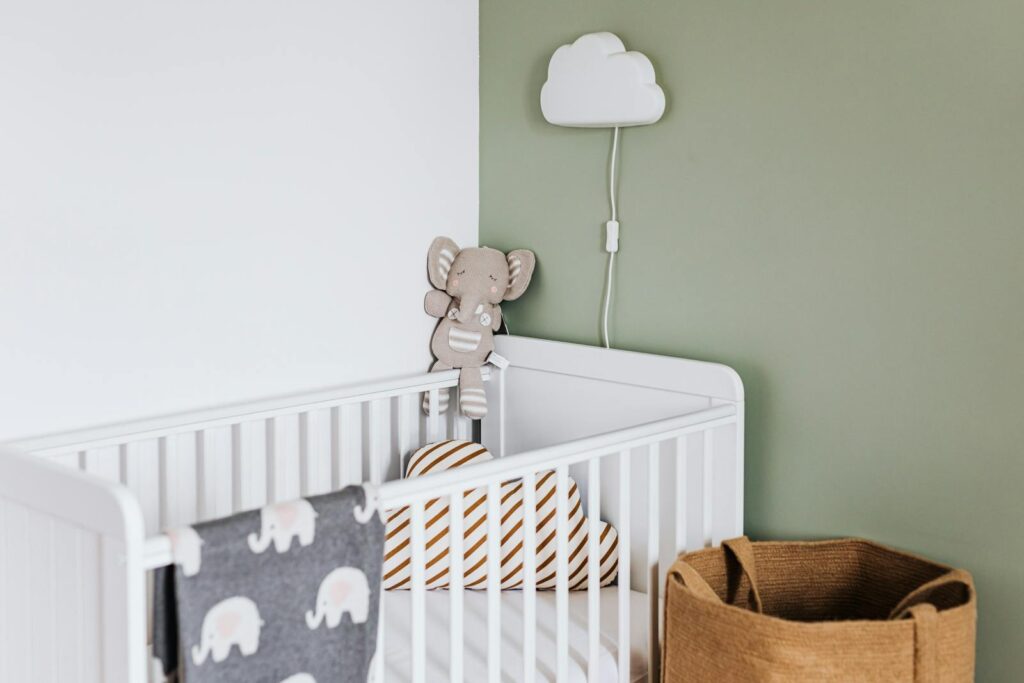
When a mother-in-law quietly buys a crib “for her house,” she is not just assembling furniture, she is staking a claim in how, where, and even whether a new baby will sleep. For many new parents, that surprise purchase lands less like generosity and more like a power move that ignores their plans and their safety concerns. The hard truth is that modern infant sleep guidance has shifted so much that grandparents’ instincts, and even their old equipment, can collide head-on with what parents know now.
In this story, the new parents decide that a surprise crib at Grandma’s is one boundary too far. They push back, not because they are ungrateful, but because they understand that sleep arrangements, safety standards, and caregiving rules need to be set by the people actually raising the child. Their response shows how to hold a firm line without blowing up the entire family dynamic.

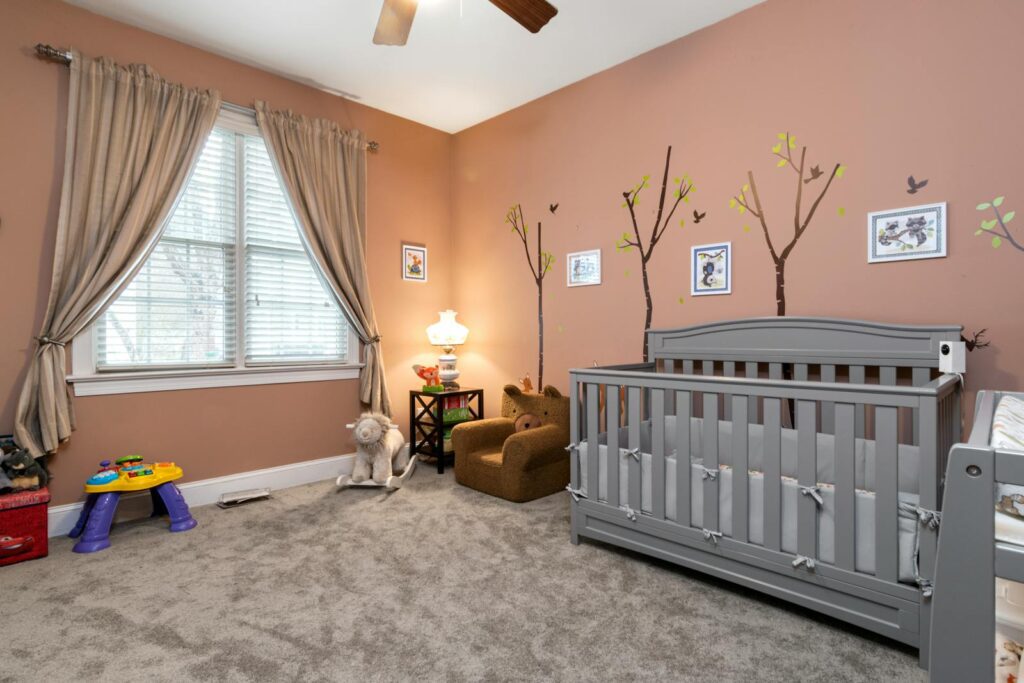
When “My House, My Rules” Meets Modern Safety
The conflict usually starts with a familiar script: a grandparent insists that if the baby is in their home, they get to decide where the baby sleeps and what gear is “good enough.” Parents, meanwhile, are living in a world where infant products are heavily regulated and constantly updated. What might have felt safe for a previous generation is now subject to strict design rules, including how crib slats are spaced and whether sides can drop down, and these crib design features must comply with new regulations that older models never had to meet. When a mother-in-law rolls in a secondhand crib or dusts off one from the attic, she may not realize she is asking parents to ignore current safety science in the name of family harmony.
That tension is magnified by the fact that crib safety standards have been evolving for roughly three decades, to the point that what was considered fine for older siblings may now fall short of current regulations. Safety advocates warn that even a crib that looks sturdy can be out of step with today’s rules on hardware, mattress fit, and structural integrity. For new parents, that history matters. When they say no to a surprise crib, they are not rejecting help, they are refusing to let nostalgia override the standards they are expected to follow every night at home.
The Hidden Risks Behind “It Was Good Enough For You”
Underneath the emotional tug-of-war is a blunt reality: infant furniture is one of the few categories where “used” can be genuinely dangerous. Multiple recalls have targeted cribs and other children’s furniture because of entrapment risks, faulty hardware, and structural failures that are not obvious to the naked eye. A well-meaning grandparent who scores a bargain at a garage sale or drags an old family crib out of storage can, without realizing it, introduce a dangerous piece of furniture into the baby’s life.
Parents are also navigating a landscape where most brand new cribs and mattresses purchased in the United States are designed to meet government safety standards, while older models may not, and some might even have been recalled. That contrast makes it easier to understand why a new parent might accept a carefully chosen crib in their own nursery but balk at an unvetted one across town. When they set a boundary around where the baby will sleep, they are effectively saying that every environment, not just their primary home, has to meet the same bar.
Sleep style adds another layer. Some families plan to co-sleep or room-share, prioritizing what one expert describes as the most important element of infant sleep: a caregiver who is close enough to be responsive and not extremely sleep deprived. A grandparent who assumes that a stand-alone crib in a separate room is the default may unintentionally undermine a carefully chosen approach that keeps the baby near the parents at night. In that context, a surprise crib is not just extra furniture, it is a competing philosophy about what “good” parenting looks like after dark.
Turning a Surprise Crib Into a Clear Boundary
When the mother-in-law in this scenario unveiled her new crib, the parents’ response was not to argue about every slat and screw, but to zoom out to the bigger picture: who sets the rules for their child. Relationship experts often urge parents to present a united front there, making sure both partners agree on boundaries before approaching grandparents. That united front matters when the conversation shifts from “Thank you for thinking of us” to “Here is how we are actually going to handle sleep and overnights.” In practice, that can sound like: “We appreciate the gesture, but we are not doing crib sleep at other houses right now, and we need you to respect that.”
Once the line is drawn, the question becomes what to do with the unwanted crib. Some parents choose to keep it disassembled, using the frame as raw material for a bench or shelving, a nod to the way some families repurpose old baby furniture rather than passing along items that no longer meet current rules. Others donate the crib frame only after confirming it is compliant, or they decline it outright and suggest safer ways for grandparents to help, like keeping a portable play yard for supervised naps or investing in a good car seat for daytime visits.
More from Decluttering Mom: