



You keep finding cars, snow piles, and trash cans on your land despite asking them to stop. That’s frustrating and costly, and you don’t have to accept it — you can document the harm, set clear boundaries in writing, and escalate to mediation or local authorities if voluntary fixes fail.
Bold the most important sentence: Document everything, send a clear written notice refusing permission, and if the behavior continues, pursue mediation or legal remedies such as a nuisance claim or enforcement through local regulations.
The article will explain how property rights work, what counts as permissive use versus trespass or a prescriptive easement, and practical steps to protect your driveway, fence line, and yard without burning the neighborhood down.

Understanding Your Property Rights and Common Issues
Neighbors using driveways, yards, or frontage for parking, moving snow, and leaving trash cans can affect access, safety, and property value. Read the practical rules about who owns the land, when permission matters, and how easements or permissive use can change rights.
Defining Property Boundaries and Ownership
They should start by locating the legal property lines. A recorded deed and the plat map at the county recorder’s office show exact boundaries; a licensed surveyor provides a current physical stake-out if lines are unclear.
If any structure or repeated activity crosses the line, document it with dated photos and measurements tied to the recorded survey.
Ownership matters for enforcement. The owner can demand intrusions stop. Tenants or roommates can raise the issue, but they should get the owner involved for formal notices or legal steps.
If neighbors claim a right to use a strip of land, check whether that claim rests on a written easement or simply long-standing permission.
Impact of Unauthorized Parking and Trash Storage
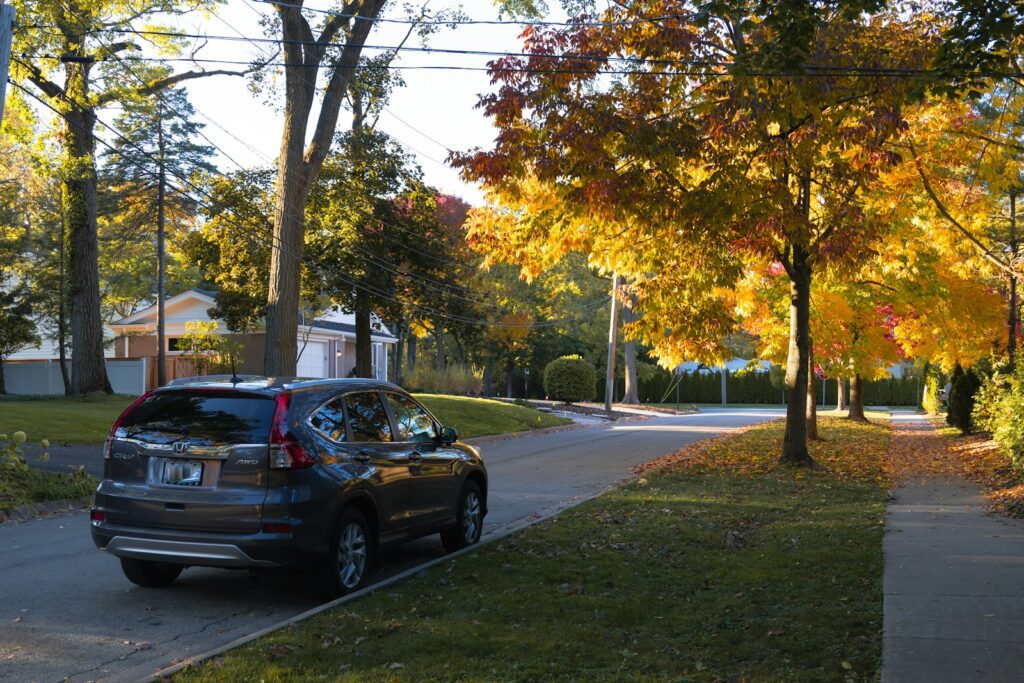
Unauthorized parking on a yard or private driveway creates wear, compacts soil, and can block access for emergency vehicles. They should note who parks, how often, and whether vehicles block the driveway or public sidewalk. Keep a log and photos with timestamps.
Trash cans left on a property invite pests, violate local ordinances in many towns, and reduce curb appeal. Neighbors repeatedly placing bins on private land after a request to stop may strengthen the homeowner’s case if enforcement is needed.
If the activity breaches an HOA rule or municipal code, the homeowner should file a complaint with the association or local code enforcement and attach the documentation.
Easements and Permissive Use Explained
An easement grants a legal right to use part of the property for a specific purpose—like access, utility lines, or shared parking—and usually appears in the deed. They should review title documents and the deed for any recorded easement language before assuming they can remove a repeated use.
A permissive use occurs when an owner allows a neighbor to use land without a written agreement. Permission defeats most adverse possession or prescriptive easement claims, but oral permission is risky; homeowners should document any grant of permission in writing and have it recorded if they want it permanent.
If neighbors assert a prescriptive easement (use without permission for a statutory period), the homeowner should check local laws and consult a lawyer. Recording explicit denials of permission, posting “No Trespassing” signs, and removing obstructions promptly all help protect property rights.
What You Can Do About Persistent Neighbor Intrusions
Neighbors keep parking, pushing snow, or leaving trash cans on someone’s land despite requests to stop; the owner can use clear talk, careful records, local rules, and legal help to stop it. Acting promptly and documenting specifics—dates, vehicle details, and exact locations—makes later steps far easier.
Communicating With Your Neighbors
Start with a calm, direct conversation at a neutral time. Tell them exactly what behavior bothers them—e.g., “Your truck parks on the gravel at the southeast corner of our lot” or “Your snowbank blocks our driveway entrance”—and ask for a specific change and timeframe.
If face-to-face talk fails, follow up with a brief written notice (email or certified letter) stating the dates of earlier requests, the continued problem, and the remedy wanted. Keep copies of the letter and any replies. Offer a reasonable compromise if one exists, like designating a different street parking spot, but refuse open-ended permissive use that could become an easement.
Documenting Incidents and Property Use
Record every intrusion with dated photos or short videos showing identifiable landmarks (house numbers, fences, utility poles). Note license plates, vehicle makes and models, and exact times. Use a consistent log format: date, time, description, and attached media filenames.
Keep any physical evidence—trash items, damaged stakes, or disturbed markers—and store it safely. If neighbors claim permissive use, preserve copies of emails or text messages that show prior permissions or denials. Well-organized documentation helps when involving local officials or a real estate attorney.
Involving Local Authorities and HOA Rules
Check municipal parking ordinances and snow-removal rules for street parking limits, seasonal bans, or blocking driveways. If the neighbor violates a rule, call the non-emergency municipal dispatch or parking enforcement and provide the documented incidents.
If a homeowner association exists, file a formal complaint following the HOA’s process and include photos and written logs. HOAs often have fines or corrective measures for trash can placement and driveway access. Use the HOA’s written decisions as evidence if escalation is needed.
Seeking Legal Action With Help From a Real Estate Attorney
When other steps fail, consult a real estate attorney experienced in property-rights disputes. They can confirm whether the neighbor’s actions create trespass, a prescriptive easement, or a continuing nuisance under local law and advise which claim fits the facts.
An attorney can draft a demand letter demanding cessation, file for injunctive relief to stop ongoing intrusions, or pursue damages for repeated trespass. Bringing an attorney often prompts faster compliance, but be prepared: litigation costs time and money. Ask the attorney about costs, likely outcomes, and alternatives like mediation before filing suit.
More from Decluttering Mom: