



A baby is being repeatedly hurt by an older cousin, most recently with a kick to the throat, and the adults around her still seem to be treating it like ordinary kid drama. The headline sounds dramatic, but for many families this pattern is uncomfortably familiar: a small child keeps getting injured while the grown‑ups are split between “kids will be kids” and “this feels dangerous.” That tug‑of‑war between protecting a baby and keeping the peace with relatives can leave one parent feeling isolated, furious, and very alone in the room.
Underneath that fury sits a basic truth: a baby’s safety is not negotiable, even when the person causing harm is another child. The complication is that young kids can be rough, impulsive, and genuinely unaware of the damage they cause, while adults around them may be in deep denial. Bridging that gap means treating the situation as both a real safety issue and a family systems problem, not just a one‑off “incident.”
When “rough play” crosses a line

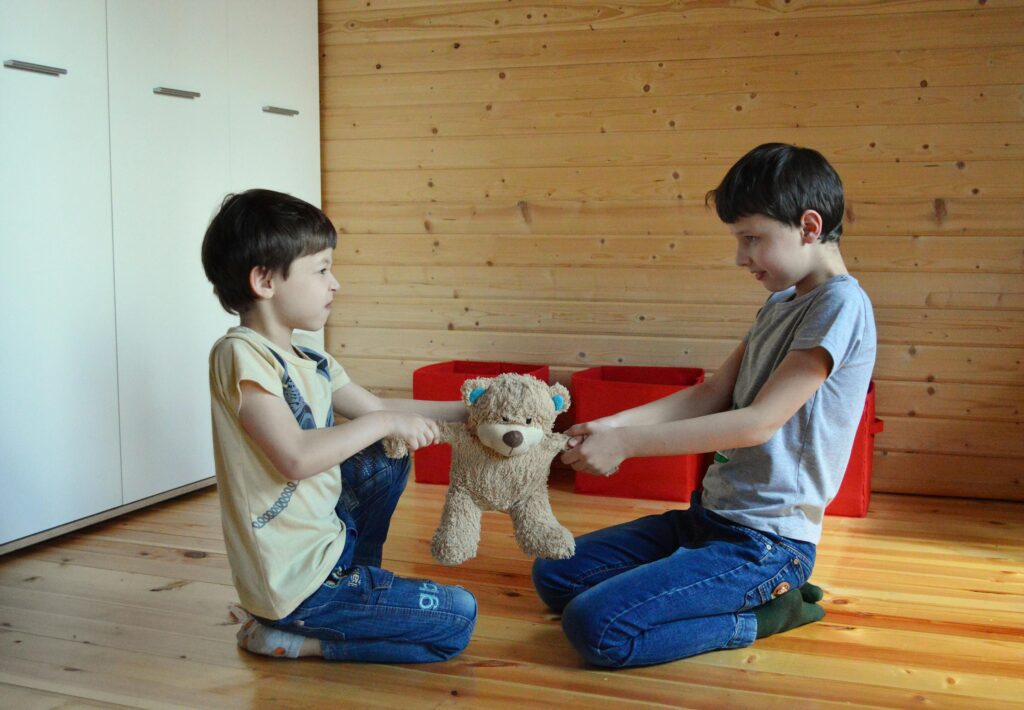
Most families have seen a toddler or preschooler get a little too enthusiastic with a baby, maybe squeezing too hard or shoving a toy into tiny hands. Child development experts describe this as common, especially when an older child is adjusting to a new sibling or cousin, and they often frame it as immature attempts at connection rather than malice. Writers who specialize in early childhood, such as those behind popular guidance on kids who are “a little rough with the baby,” emphasize that toddlers often do not understand their own strength or the fragility of an infant, even when they look directly at the baby and grin before pushing or grabbing, because the behavior is still driven by impulse and big feelings rather than calculated cruelty.
That said, there is a clear difference between clumsy affection and a pattern of aggressive acts like hitting, scratching, or kicking a baby in the throat. When an older child repeatedly targets a baby’s head, neck, or torso, the risk moves out of the “they will figure it out” category and into genuine physical danger. Professionals who coach parents on managing rough behavior around newborn siblings are blunt that if a child is physically aggressive, the baby must be supervised at all times and never left alone with that child, even “just for a second,” because a single blow to the neck or head can have serious consequences. The fact that the aggressor is a niece or nephew, not a stranger, does not change the physics of a small windpipe or a still‑developing skull.
The emotional minefield for the baby’s parent
In many families, the parent of the baby ends up feeling like the only person in the room who is truly alarmed. Online parenting communities are full of posts from caregivers describing nieces who pinch, cousins who push babies off couches, or older siblings who “accidentally” sit on infants, and the common thread is that other adults often downplay what is happening. One widely shared story about a niece who keeps hurting a baby captures this dynamic clearly: relatives talk about raising “happy, healthy, well‑balanced adults,” but when the baby’s mother voices concern, she is treated as overprotective rather than as someone responding to a real pattern of harm. The result is a parent who is both scared for their child and resentful that no one else seems to share that urgency.
That emotional mix can curdle into rage after a particularly frightening incident, like a kick to the throat that leaves a baby coughing or gasping. The parent is not just angry at the child who kicked; they are furious at every adult who failed to step in sooner or who brushed off earlier warnings. Commenters in threads about aggressive nieces often point out that while a 5‑year‑old’s behavior may fall inside a wide band of “normal,” the real disrespect comes from the parent who ignores it. That mismatch, where one adult is trying to set safety boundaries while another shrugs, can fracture sibling relationships, poison holidays, and make every visit feel like walking into an emotional ambush.
What child development experts actually recommend
Professionals who work with young children tend to land in the same place: take the behavior seriously, protect the baby first, and respond to the aggressive child with firm, calm limits rather than shaming. Guidance built around respectful parenting, including well‑known advice on toddlers who are rough with babies, stresses that the most important thing is for an adult to be physically present and ready to block, catch, or gently hold an older child’s hands before contact happens. That presence is not optional background supervision; it is active, close monitoring that treats the baby’s body as non‑negotiably off limits for hitting, kicking, or squeezing.
Alongside that physical blocking, many experts suggest narrating what is happening in simple, clear language: “I will not let you kick the baby” or “Your feet stay on the floor near her.” Some, like the parenting coach whose clip about a “two‑year‑old and a six‑month‑old” went viral, go so far as to say that if a 2‑year‑old is physically aggressive, an adult has to be supervising at all times, with no exceptions, because the risk window is too small to gamble on. Others offer concrete scripts and “peaceful parenting strategies” that validate every voice, including the aggressive child’s frustration, while still holding a hard line on safety: no hitting, no kicking, no rough handling of the baby, full stop.
Where safety stops being a family argument
There is a point where “family disagreement” about what is normal behavior slides into something more serious. Medical guidance on child abuse is clear that any time a caregiver suspects a child is being abused, they should seek help immediately. When a baby has unexplained bruises, repeated injuries, or has been hit, kicked, or choked, experts advise contacting a health professional or the appropriate local child welfare agency, not just having another tense conversation in the living room. One major health organization spells it out plainly in its section on when to see a doctor: if there is concern that a child has been abused, a caregiver should reach out right away and can be guided toward the appropriate local child welfare agency for further support.
Public child protection agencies, such as the Child Protective Services programs described by state offices, exist specifically to respond to situations where a child may be at risk in their home or community. These agencies investigate reports of suspected abuse or neglect and can offer services to help families keep children safe. Their guidance typically encourages anyone who believes a child is being harmed to contact them, and they often operate hotlines that accept calls from both professionals and ordinary citizens. While involving CPS can feel extreme when the aggressor is a young niece, not an adult, the threshold is not about who is doing the harm but about whether a child is unsafe and the adults around that child are unwilling or unable to protect them.
Practical steps for parents stuck in the middle
For the parent whose baby keeps getting hurt, the first step is usually not a phone call to authorities but a hard reset of their own boundaries. That can look like refusing unsupervised contact between the baby and the niece, leaving gatherings early, or hosting visits only in spaces where the baby can be physically separated behind a gate or in a high chair. Injury guides aimed at parents emphasize that when a child suffers an injury, the first step is to “Stay Calm and Assess the Situation,” then seek medical care as needed and document what happened. The same mindset can be applied preventively: calmly assess the risk, then design the environment so that a kick to the throat simply cannot happen without an adult hand in the way.
More from Decluttering Mom: