


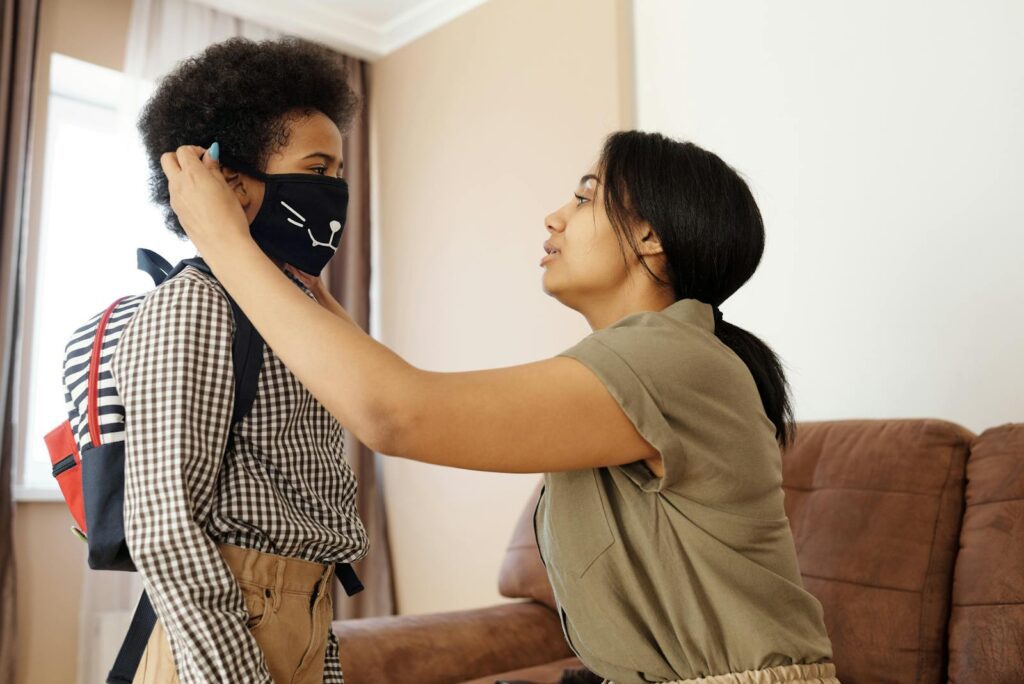
You have watched your sister pull her son out of school again. He shows up to family gatherings unwashed, barely speaking, thinner than the last time you saw him. You called child protection. Nothing happened. You called again. Still nothing.
If this sounds familiar, you are not alone, and you are not imagining things. But the gap between what a concerned relative can see and what the state will act on is wider than most people expect. Here is how Minnesota’s child protection and truancy systems actually work, what their limits are, and what concrete steps you can take right now.

When Missed School Becomes “Educational Neglect” in Minnesota
Minnesota law is clear: for children under 12, school attendance is the parent’s legal responsibility, not the child’s. Under Minnesota Statute § 120A.22, parents must ensure their children attend school. When a child under 12 accumulates seven or more unexcused absences, the situation is classified as educational neglect, and the parent, not the child, faces legal accountability.
That classification can trigger a report to child protective services or, in some cases, a referral to juvenile court. But Minnesota has also been experimenting with earlier, less punitive responses. A Wilder Foundation evaluation of pilot programs in several Minnesota counties found that tiered interventions, such as attendance contracts, family meetings, and wraparound support services, can address chronic absenteeism before it escalates to a formal child protection case.
For relatives, the takeaway is this: the school is often the first institution that notices a problem, and it has a legal obligation to act on chronic absences. If your nephew’s school has not flagged his attendance, that itself is worth a phone call.
What “Neglect” Actually Means to Child Protection
Seeing a child who looks exhausted, emotionally flat, or physically unkempt is alarming. But Minnesota’s child protection system does not intervene based on a relative’s alarm alone. County social service agencies, operating under the Minnesota Department of Human Services child protection framework, investigate reports of abuse or neglect by weighing specific criteria: Is there present danger of physical harm? Is the child being denied food, shelter, medical care, or adequate supervision?
A child who appears withdrawn or sad, without additional evidence of unmet basic needs or physical danger, may not meet the statutory threshold for removal or even for opening a case. That is not because investigators do not care. It is because Minnesota law, like most states’ laws, sets a deliberately high bar for government intervention in family life.
This bar has gotten even more attention as child welfare systems nationwide shift toward family preservation. As of July 1, 2025, Minnesota Statute § 260E.291 requires local welfare agencies to provide more structured, supportive responses to certain reports, rather than defaulting to investigation and removal. That law is now in effect, and it means agencies are more likely to offer voluntary services than to take a child from a home, particularly in cases involving neglect rather than acute abuse.
For a relative, this can feel like the system is looking the other way. It is not. But understanding the framework helps you figure out where to push and what evidence matters.
How to File a Report That Gets Taken Seriously
If you believe your nephew is being neglected, you have every right to report it, and you can do so anonymously. Here is how:
- Statewide: Use the Minnesota Department of Children, Youth, and Families reporting portal, which routes reports through the state’s Child Maltreatment Screening Guidelines.
- By county: Contact the county social service agency where the child lives. In Ramsey County, call Child Protection at 651-266-4500 or email AskHumanServices@co.ramsey.mn.us. In Anoka County, follow the reporting instructions on the county website.
- If the child is in immediate danger: Call 911 first. Anoka County’s guidance is explicit: if you believe a child is at risk of serious physical or sexual harm right now, law enforcement comes before any hotline.
What makes a report more likely to result in action? Specifics. “My nephew seems sad” is harder for a screener to act on than “My nephew has missed at least 10 school days in the past two months, he has lost visible weight, and his mother will not allow family members to see him unsupervised.” Dates, observations, and patterns matter far more than emotional language.
Why Reports Sometimes Lead Nowhere
Even well-documented reports can be screened out or result in a finding of “no action needed.” This is the part that breaks families apart emotionally.
Several factors explain it. First, screeners must apply the state’s maltreatment screening guidelines, which filter reports into categories. A report that does not allege specific harm or a specific unmet need may be screened out before an investigator ever visits the home. Second, even when a case is opened, investigators may determine that the family qualifies for voluntary services rather than court-ordered intervention. Third, caseloads matter. Minnesota counties, like child welfare agencies across the country, operate with limited staff and must triage.
None of this means your report was wasted. Every report creates a record. If your nephew’s situation worsens, or if other people (teachers, doctors, neighbors) also file reports, the cumulative record can shift how the agency responds. One report may not open a case. Three reports from different sources, documenting a pattern, often do.
What You Can Do Beyond Calling CPS
Child protection is one tool, but it is not the only one. If CPS has not intervened, here are concrete steps Minnesota relatives can take:
1. Document Everything
Keep a written log with dates, times, and specific observations: what the child looked like, what he said, what the mother said, whether he was in school that week. Save text messages and photos. If you ever pursue guardianship or a CHIPS petition (see below), this record becomes your evidence.
2. Contact the School Directly
Schools are mandated reporters in Minnesota. If your nephew’s school is aware of chronic absences and has not acted, ask to speak with the school social worker or the district’s attendance officer. You cannot access his records without parental consent (or a court order), but you can share your concerns, and the school is obligated to take them seriously.
3. Learn About CHIPS Petitions
In Minnesota, a Child in Need of Protection or Services (CHIPS) petition can be filed in juvenile court when a child is being neglected. While county attorneys typically file these petitions, relatives can consult with a family law attorney about whether the facts support one. A CHIPS case can result in court-ordered services for the parent, or in a transfer of custody if the parent does not comply. Minnesota’s court system provides information on juvenile court proceedings.
4. Explore Guardianship or Custody
If you believe your nephew would be safer in your care, Minnesota law allows relatives to petition for guardianship or custody. This is a legal process that requires showing the court that the current parent is unable or unwilling to provide adequate care. Free or low-cost legal help is available through LawHelpMN.org, which connects Minnesotans with legal aid organizations by county and issue.
5. Connect With Family Support Services
The Minnesota DCYF family resources page links to the Office of Ombudsperson for Families, the Minnesota Children’s Cabinet, and WIC (Women, Infants, and Children), among other programs. These services can help stabilize a household without requiring a child protection case. If your sister is struggling with mental health, housing, or substance use, connecting her to voluntary support may do more for your nephew than another CPS call.
6. Request Welfare Checks
If you cannot reach your nephew and believe he may be in danger, you can ask local police to conduct a welfare check. This is not a substitute for a CPS report, but it creates an additional official record and may prompt a referral if officers observe concerning conditions.
The Hardest Part: When the System Works as Designed and It Still Isn’t Enough
There is no way to soften this: sometimes you do everything right and the system still does not remove a child from a bad situation. Minnesota’s child protection framework is built to keep families together whenever possible, and that philosophy protects many children from the well-documented harms of foster care. But it also means that children living in neglectful homes may stay there longer than relatives think is safe.
What you can control is the record you build, the relationships you maintain with your nephew, and the pressure you keep on every institution that touches his life: his school, his doctor, his county’s child protection unit. Stay visible. Stay specific. And if you can, get legal advice, because the options available to relatives in Minnesota (guardianship, CHIPS petitions, custody modifications) are real, but they require someone who knows the system to navigate them.
Published April 2026. This article provides general information about Minnesota’s child protection and truancy systems and is not legal advice. If you believe a child is in immediate danger, call 911.
More from Decluttering Mom: