


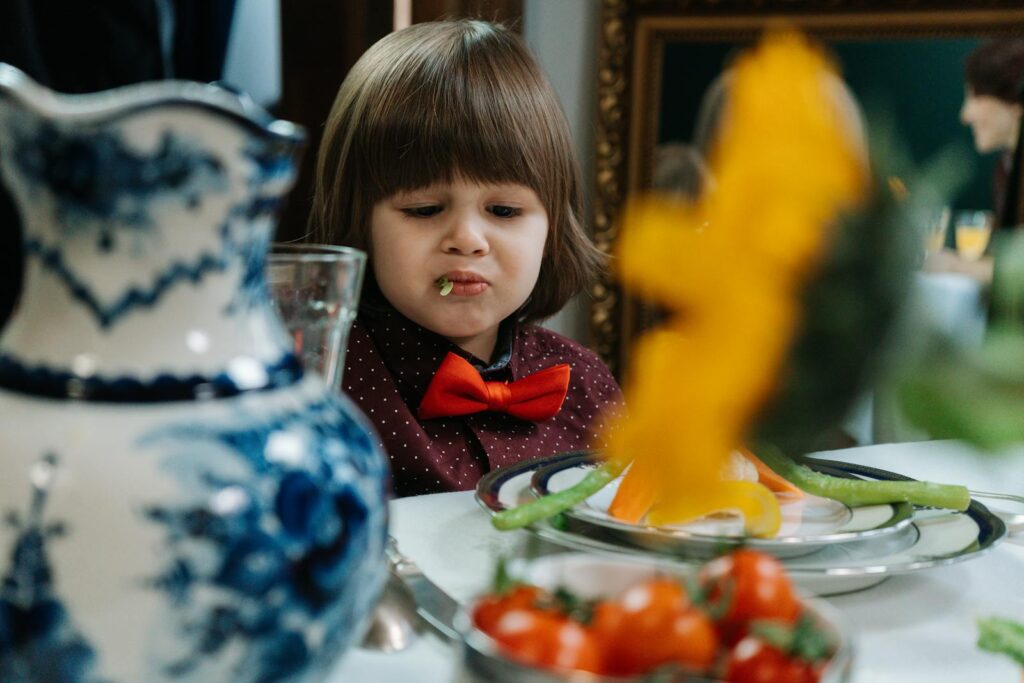
Parents of picky toddlers know the feeling when a plate of vegetables comes back untouched, again. So when a child takes one suspicious bite of a green bean, pauses, and then calmly asks for more, it can feel less like dinner and more like a championship win. That tiny forkful holds a lot of history, effort, and hope, which is why a single vegetable victory can feel like hitting the parenting jackpot.
Behind that small moment is usually a long stretch of trial and error, from carefully sliced veggies to dramatic refusals and everything in between. When a child finally leans in instead of pushing away, it is not just about nutrition; it is about connection, patience, and the quiet proof that the work is slowly paying off.

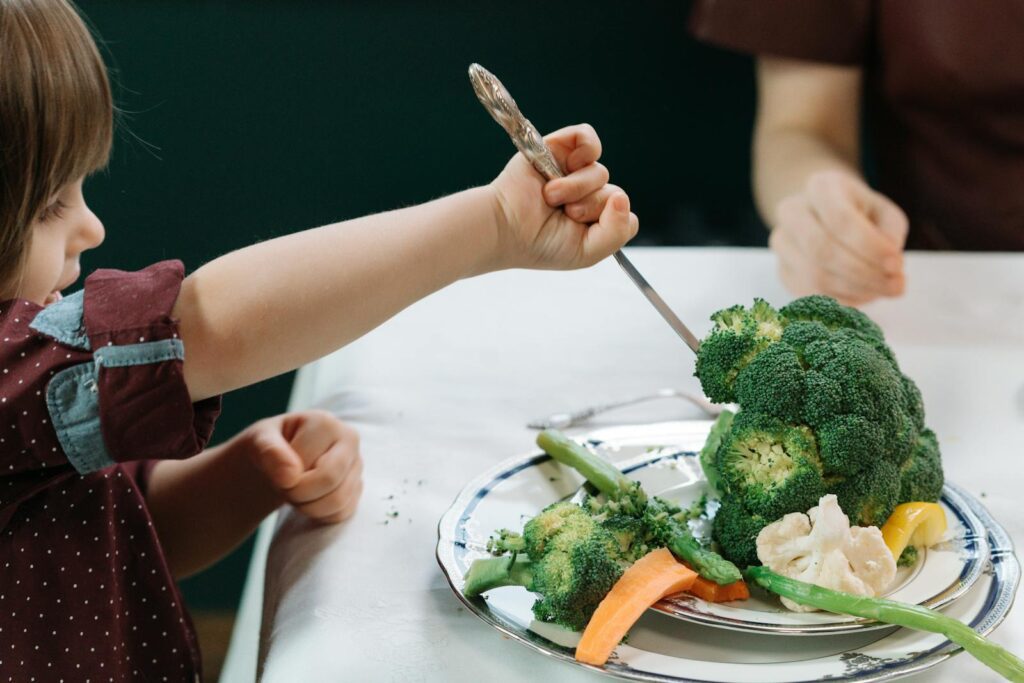
The Green Bean Miracle Is Not Actually Magic
From the outside, a toddler asking for more green beans looks like a fluke, but feeding experts would call it the predictable result of lots of low-pressure exposure. Guidance on toddler nutrition stresses that parents should keep offering vegetables, even when they are ignored, because some children need to try a food many times before they accept it, and repeated exposure helps make vegetables feel normal instead of alarming. Advice on vegetables for toddlers explains that adults can set a good by eating the same greens, keeping them on the table, and calmly trying again tomorrow when a pea or bean gets rejected today.
That quiet persistence often works best when the mood at the table is relaxed instead of tense. One popular approach to new foods turns mealtime into conversation and bonding time so the focus is on connection rather than performance, which can make a child more willing to explore what is on the plate. A widely shared feeding strategy describes how turning dinner into shared moments between parent and child, instead of a negotiation, helps toddlers feel safe enough to poke at something unfamiliar, a point that lines up with advice that turning mealtime into can make kids more open to tasting what is in front of them.
How One Bite Becomes “Can I Have More?”
That second bite often starts long before the plate hits the table, with how the food is offered and how much pressure comes with it. Specialists in toddler feeding suggest that the environment matters as much as the recipe, and that children are more likely to taste vegetables when they see adults and siblings eating them too, a pattern described as parental and peer modeling in guidance on positive strategies for vegetables. When a parent casually eats a few green beans and slides one onto the child’s plate without fanfare, it tells the child that this is just food, not a test.
Texture and preparation also help turn suspicion into curiosity. Green beans in particular can be offered steamed, roasted, or even lightly sautéed so they stay tender but not mushy, and feeding experts point out that this vegetable is a useful starter option because it brings vitamins A, C, and K along with folate and fiber. One guide on introducing this vegetable suggests serving them in manageable pieces and reminding parents that they are setting a great example for simply by eating those same beans themselves. When the plate looks friendly, the room feels calm, and the grown ups are eating the same thing, that first nibble has a better chance of turning into a request for seconds.
Riding the High and Playing the Long Game
When a child finally eats a vegetable without drama, the emotional payoff for a parent is huge, and that feeling is not just sentimental. Therapists who work with families talk about the mental health benefits of celebrating tiny wins, explaining that pausing to notice small successes can boost confidence, lower stress, and make daily life feel more manageable. In the feeding arena, that might look like texting a friend about the green bean triumph or simply taking a quiet moment to enjoy the fact that tonight, at least, the plate did not end in a standoff.
That celebration can also reset expectations in a healthy way. Instead of chasing big overnight transformations, experienced feeding specialists encourage parents to measure progress in small steps, like tolerating a vegetable on the plate, touching it, licking it, then finally chewing and swallowing. One detailed guide on helping kids eat vegetables suggests starting with simple, low-pressure exposure, keeping the mood light, and avoiding battles, advice that shows up in step-by-step tips on how to get your kid without turning dinner into a power struggle. When parents treat each tiny step as a win, the occasional backslide feels less like failure and more like part of a long, winding path.
More from Decluttering Mom: