



You notice the lump in your throat when he says he misses you after work. It stings because you want to be present, but you also need to earn a living and keep the household running. You can ease both his worry and your guilt by using short, consistent goodbyes, a small transitional item he can hold, and a predictable routine that reassures him you always come back.
This post explains why toddlers voice strong misses, what that behavior really means for their development, and practical steps working parents can use to calm their child and reduce their own stress. Expect simple, actionable tactics you can try tonight and tomorrow morning to make reunions warmer and departures smoother.

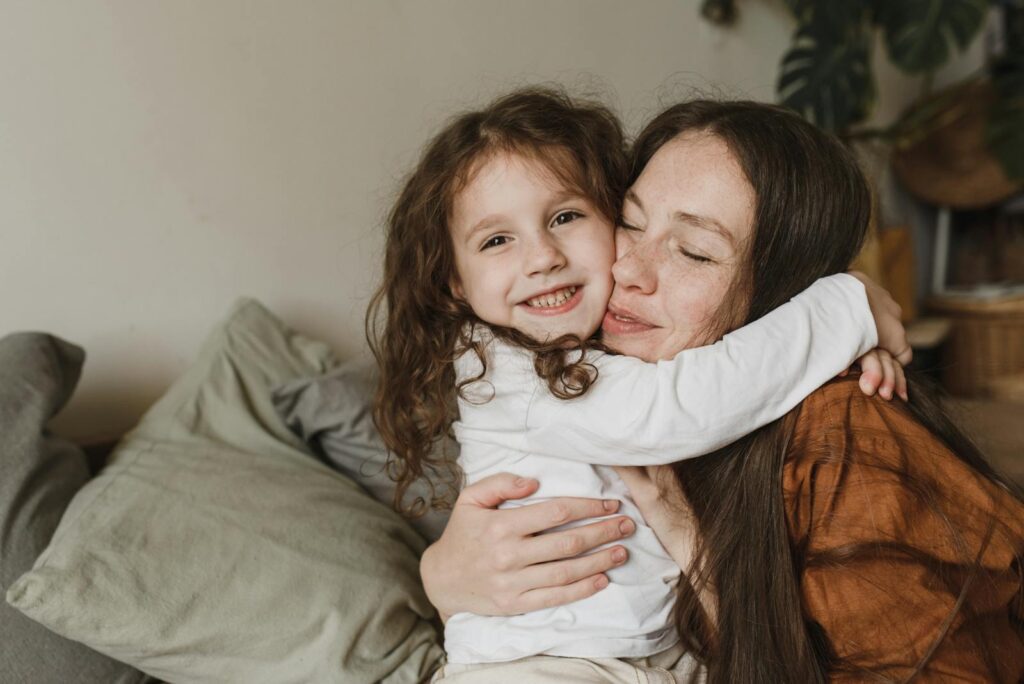
Dealing With Toddler Separation: Why Your Child Misses You
Toddlers miss a parent for clear, concrete reasons: they rely on that parent for comfort, predictability, and basic needs. Small brains, big feelings — they notice when routines change, and they name the absence as “missing” because that explains the ache.
Understanding Normal vs. Problematic Separation Anxiety
Separation anxiety is a normal developmental stage for many toddlers. It often appears around age one, peaks in the second year, and eases with repeated, predictable goodbyes and practice separating. Typical signs include crying at drop-off, clinging at transitions, and needing reassurance for a short time after the parent leaves.
Separation anxiety disorder differs in intensity, frequency, and impairment. Warning signs include nonstop panic at every separation, refusal to go to childcare or school, sleep disturbances tied to needing a parent nearby, or anxiety that persists despite consistent practice and time. If anxiety interferes with daily routines or safety, seeking advice from a pediatrician or child psychologist makes sense.
Practical checks: note how often episodes happen, how long they last, and whether the child can calm down when engaged in an activity. Those observations help decide if professional support is needed.
How Toddlers Experience Time and Absence
Toddlers have a limited sense of time; “back in a bit” means little without concrete markers. They remember the last caregiver who soothed them and use routines to predict return times. Visual cues—like a framed photo of the parent at daycare—help them connect absence to return.
Short, consistent rituals reduce anxiety. Examples: a three-second hug-and-kiss routine, a backpack token with a parent’s scent, or a photo calendar showing “today” and “when I come home.” Gradual exposure matters too: practiced, short separations build tolerance faster than long, sudden absences.
Toddlers also anchor feelings to physical sensations. Hunger, tiredness, or overstimulation amplify missing feelings. Addressing sleep, nutrition, and transitions lowers baseline distress and makes separations less fraught.
Recognizing Signs of Sadness or Deeper Emotional Struggles
Sadness linked to separation usually shows as tearfulness, quieter play, or less interest in usual activities. These signs can persist a day or two after a big change, like a parent’s return to work. Watch for changes in sleep, appetite, or regressions (thumb-sucking, potty accidents)—these can signal distress beyond normal missing.
Separation anxiety disorder or other deeper struggles show more severe patterns: nonstop refusal to attend childcare, nightmares about abandonment, physical symptoms (stomachaches, headaches) that appear mostly on separation days, or a sustained decline in social engagement. Those patterns warrant evaluation.
Keep a short log: date, trigger, behavior, and recovery time. Sharing that with the child’s caregiver or pediatrician gives a clear picture and speeds decisions about extra support or therapy.
How Working Parents Can Cope With Guilt and Support Their Child
Parents can reduce guilt by changing small routines, naming feelings, and choosing reliable caregiving parts of the day. Consistent rituals, clear boundaries, and short compassionate check-ins help children feel safe and help parents feel effective.
Managing Parental Guilt and Setting Realistic Expectations
They should start by naming specific expectations and testing them against reality. Instead of “be with child every evening,” try “read bedtime stories three nights a week” or “have a 10‑minute goodbye ritual each morning.” Concrete commitments reduce vague guilt.
Encourage realistic self-talk: replace “I’m failing” with “I make time for the moments that matter.” If anxious thoughts persist, a few sessions with a therapist or parenting coach can provide tools to reframe guilt and manage separation anxiety symptoms.
Create a short list of nonnegotiables—sleep, meals, one consistent caregiver—and let other tasks shift. Small, regular wins build confidence and lower chronic stress.
Practical Ways to Stay Emotionally Connected
Use predictable micro-rituals that fit a busy schedule. Examples: a two-minute goodbye hug, a lunchtime video message, a bedtime story recorded on the phone, or a tiny object (a sticker or scarf) that travels between them to signal presence.
Schedule quality, focused time rather than more time. A 15‑minute undistracted play session after work where the parent follows the child’s lead can strengthen attachment more than passive presence for hours.
Teach simple words for feelings and model them. When a child says “I miss you,” respond: “I miss you too. I’ll see you after work and read two books.” That validates emotion and gives a predictable plan.
When Absence Becomes a Bigger Issue
Watch for persistent changes in behavior: intense clinginess, night wakings, regressions, or prolonged sadness. These can signal separation anxiety or that the current arrangements need adjusting.
If issues persist beyond a few weeks, they should consult the child’s pediatrician or a child therapist. A professional can distinguish developmentally normal sadness from a disorder and suggest targeted strategies like graduated separations or parent‑child therapy.
Consider workplace adjustments where possible: a flexible schedule for critical transition periods, a temporary shift in hours, or a gradual return plan. Small structural changes often reduce both the child’s distress and the parent’s guilt.
More from Decluttering Mom: