


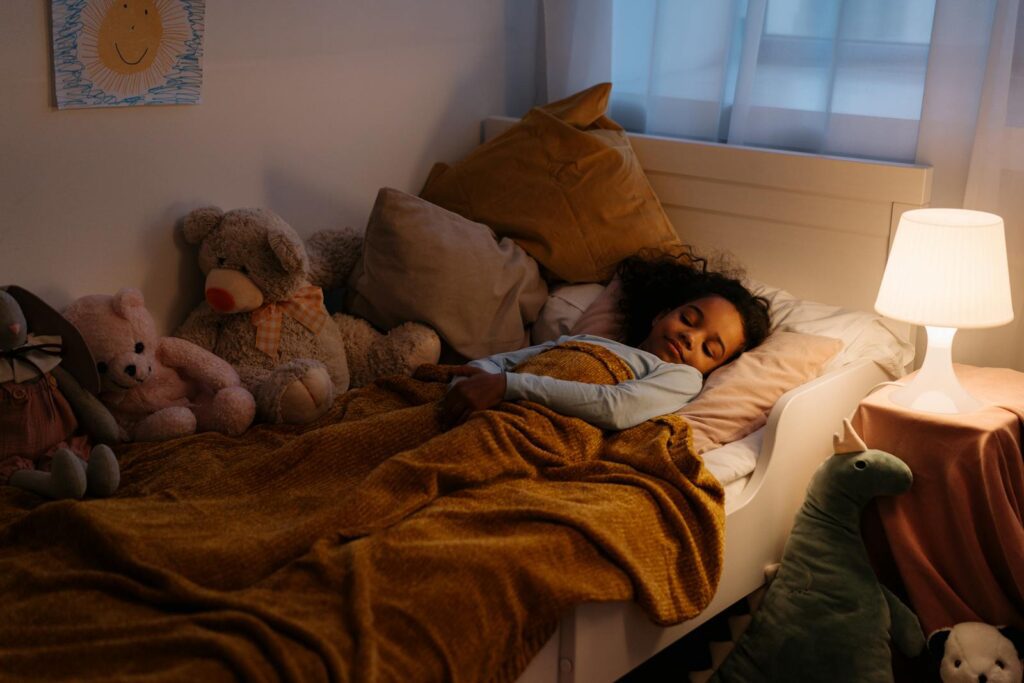
Parents who thought they had won the bedtime lottery can suddenly find themselves living with a toddler who goes from sleepy angel to full-body protest the second the lights dim. One month, bedtime is a sweet, predictable ritual; the next, it is screaming, bargaining, and desperate pleas for one more story. The shift feels jarring and personal, but it usually signals a mix of normal development, anxious brains, and a routine that no longer fits a rapidly growing child.
When a once-easy sleeper turns hysterical at night, parents are not looking for platitudes; they want the crying to stop without breaking their child’s trust. That requires understanding what is actually going on in a toddler’s body and mind, then making small, steady changes that calm the chaos instead of escalating it.


Why a Formerly Great Sleeper Suddenly Loses It at Night
From the outside, a toddler who screams at bedtime can look defiant, but underneath the noise there is usually a concrete reason. Common culprits include illness, teething pain, or a genuine fear of the dark, and any of those can turn a quiet routine into a nightly showdown. Some children are hit hard by separation anxiety and panic at the idea of a parent leaving the room, which can trigger the kind of high-pitched screaming that makes everyone in the house tense. Guidance on toddler screaming points to illness and separation anxiety as especially common triggers, which means a parent who is suddenly dealing with hysteria is not imagining things; their child’s distress is real.
Developmental leaps add another layer. The toddler years bring huge gains in language, mobility, and independence, and those milestones can wreck a previously smooth sleep pattern. A child who has just learned to run, talk in sentences, or climb out of the crib is not the same sleeper they were a few months ago. Experts who look at normal toddler development describe how new skills and shifting nap needs can leave kids overtired and wired at night, a perfect recipe for meltdowns the moment a parent suggests sleep.
Sleep Regressions, Anxiety, and That “Second Wind”
Many parents meet bedtime hysteria for the first time during a sleep regression, when a child who slept well for months suddenly starts fighting naps, waking more, or flat-out refusing to settle. Professionals define sleep regressions as temporary disruptions that often line up with developmental jumps or changes in routine, like starting daycare or shifting from two naps to one. Around eighteen months and again near age two, many children are pushing for autonomy at the exact same time their sleep needs are changing, which makes “no bedtime” feel like their new favorite cause.
Anxiety ramps everything up. Worries about monsters, shadows, or being alone can make a child’s heart race, and once stress hormones flood their system, their ability to think clearly drops. Clinicians who work with anxious sleepers recommend starting a calm wind-down about an hour before bed, with quiet play, dim lights, and a predictable sequence that might include a warm bath, a story, and a chance for the child to learn to fall asleep independently in their own bed. That kind of structured routine, described in detail in advice on anxiety and sleep, helps the brain switch out of “fight or flight” and into “time to rest,” which is exactly what a hysterical toddler needs.
Daytime Habits That Quiet the Nighttime Battles
Parents often focus on what happens in the thirty minutes before lights out, but a lot of bedtime drama is actually built during the day. A toddler who naps too late or for too long may simply not be tired at the usual bedtime, while a child who skips naps completely can become so overtired that their body pumps out adrenaline and gives them a wild “second wind.” Specialists who break down what happens during emphasize that timing of naps, outdoor time, and even late-afternoon snacks can tip the scales toward either a peaceful tuck-in or a drawn-out fight.
Stimulation matters too. A day packed with noisy outings, bright screens, and rushed transitions leaves many toddlers overstimulated by evening, which makes it harder for them to switch gears. Gentle sensory cues can help the nervous system slow down, such as dimmer lights, quieter voices, and simple toys instead of roughhousing in the hour before bed. Some families find that soothing scents, like a small amount of lavender in a diffuser, soft music, or a simple fidget toy help a child shift from high gear to low. Practical guides to bedtime tantrums suggest pairing those calming cues with consistent expectations so that the child learns that certain signals always mean sleep is coming.
Building a Bedtime Routine That Survives Toddler Drama
A solid bedtime routine will not erase every meltdown, but it gives both parent and child a script to fall back on when emotions spike. The strongest routines are short, predictable, and the same every night, for example, bath, pajamas, two books, a song, then lights out. Sleep specialists who focus on why bedtime routines for toddlers point out that this repetition signals safety and helps the brain link specific actions, like reading a gentle book, with the feeling of getting sleepy. Parents who are desperate for change sometimes overhaul everything at once, but small tweaks, such as moving bedtime earlier by fifteen minutes or cutting back on stimulating stories, often work better.
Connection is the other non-negotiable. Many toddlers fight sleep because bedtime is the only predictable one-on-one time with a parent, so they cling to it with everything they have. Parenting programs that address bedtime battles encourage families to build in a few minutes of undistracted attention before the routine even starts, such as a short game, a chat about the day, or looking at pictures together. When a child feels seen and filled up emotionally, they are less likely to use screaming as their main way to ask for more closeness once they are in bed.
Handling Hysterics in the Moment Without Losing It
Even with a beautiful routine, some nights will still explode. In those moments, the adult’s nervous system often decides how long the meltdown lasts. Research on tantrums and brain development, echoed in advice shared in short clips about what to do when your child, shows that a toddler’s thinking brain essentially goes offline during a big cry, which means lectures, threats, or long explanations will not land. A calmer approach is to get down to the child’s level, keep words minimal, and offer a steady presence until their breathing slows.
After the storm passes, parents can gently guide the child back to the routine instead of restarting the whole night. That might mean repeating the last step, like one short song, then reminding them that it is time to rest. Clinicians who talk about how anxiety, fear, or fuel bedtime screaming also stress the value of parents staying on the same page, so the response is consistent from night to night. Over time, that combination of calm in the moment and predictable follow-through teaches the toddler that big feelings are allowed, but the boundary around sleep still holds.
More from Decluttering Mom: