


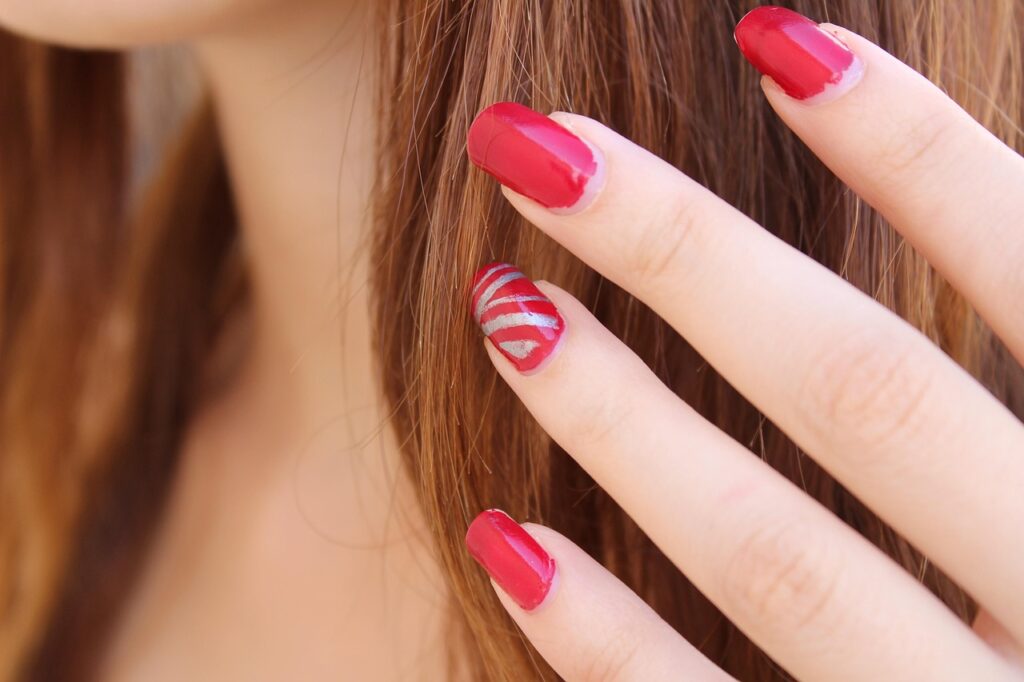
A routine manicure in Pennsylvania spiraled into a medical nightmare when a woman walked out of a nail appointment and ended up losing a finger. What started as a bit of pampering turned into emergency surgery, a brutal infection, and a warning she says could have been far worse: “I could’ve lost my arm.” Her story is a sharp reminder that when salons cut corners on hygiene, the stakes are not chipped polish, they are flesh and bone.
Her ordeal is not a freak one-in-a-billion fluke. Lawyers, safety experts, and health officials have been flagging the risks tied to sloppy nail care for years, from aggressive cuticle cutting to tools that are barely wiped down between clients. When those warnings collide with real people, like this Pennsylvania customer, the result is not just a bad review, it is a life-changing injury that lingers long after the acrylics come off.

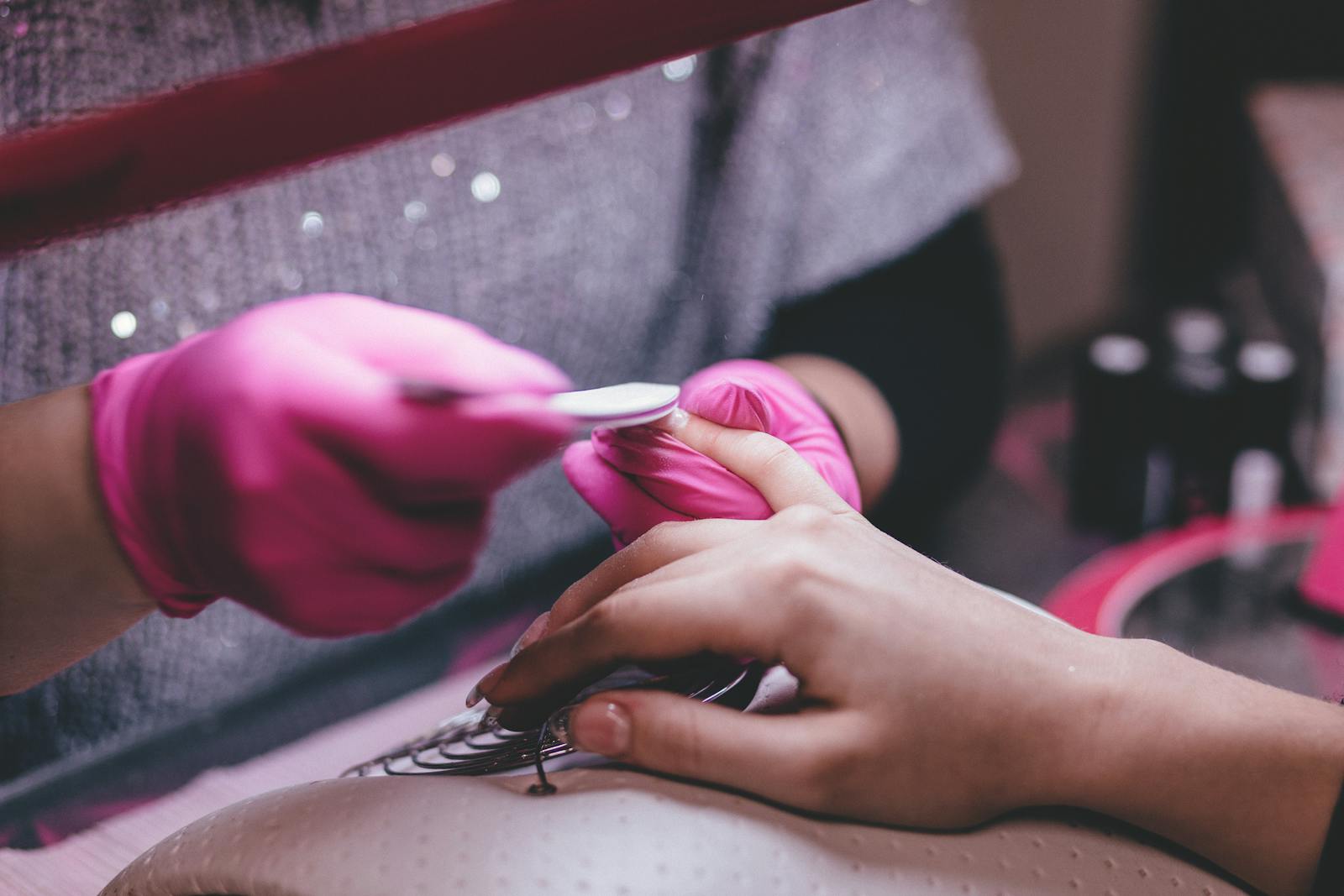
The Pennsylvania manicure that went very wrong
The woman at the center of this story walked into a salon in Pennsylvania expecting the usual drill: a quick manicure, maybe some nail art, and a little time to zone out. Instead, she left with a damaged finger that would soon swell, throb, and turn into a full-blown infection. According to coverage of the case, the appointment involved a standard nail service that should have been low risk, yet something in that process opened the door for bacteria to get in and take over.
Her experience has been widely shared because of how fast things escalated. One report describes how the Pennsylvania visit to the salon was followed by intense pain and visible signs of infection that did not match the usual post-manicure soreness. That same account notes that what began as a simple cosmetic treatment in Pennsylvania quickly turned into a medical emergency, underscoring how little margin for error there is when sharp tools and broken skin are involved.
From swelling to surgery: how the infection escalated
Once the infection took hold, the woman’s symptoms did not plateau, they snowballed. Swelling and redness gave way to severe pain, and the finger began to look less like a minor irritation and more like something that needed urgent care. She sought medical help and was put on antibiotics, the standard first line of defense when doctors suspect a bacterial infection linked to a skin break or salon procedure.
Those early steps were not enough. Reporting on the case notes that doctors tried medication and an initial procedure to relieve the pressure, but the infection kept raging. One detailed account explains that Did the antibiotics and first intervention fail to fully resolve her pain and swelling, leaving her still in agony. By the time surgeons realized how deep the damage ran, the tissue in the finger was so compromised that saving it was no longer an option.
“I coulda lost my arm”: the amputation and its aftermath
Ultimately, doctors made the call that no manicure client ever expects to hear: the finger had to go. Surgeons amputated the infected finger to stop the spread, a decision that sounds extreme until you consider what they were trying to prevent. Left unchecked, a severe infection in the hand can move into the bloodstream or up the arm, turning a local problem into a systemic crisis that can threaten the entire limb or even a person’s life.
In recounting what happened, the woman has been blunt about how close she came to a far worse outcome. One widely shared summary quotes her saying that the infection from the nail salon led to her finger being amputated and that she realized, in her words, “I coulda lost my arm.” Coverage of the case, including a piece by Then By Rebekah Harding Jan, describes how the situation deteriorated to the point that surgeons had to drain infected pus and remove the finger to keep the infection from spreading further.
What likely went wrong inside the salon
While the exact moment the bacteria entered her body is not spelled out in medical charts available to the public, experts say the basic pathways are familiar. Any time a nail technician cuts cuticles too aggressively, uses a drill on thin or damaged nails, or works with tools that are not properly disinfected, they create tiny openings in the skin. Those breaks can be invisible to the client but are more than big enough for pathogens to slip in and start multiplying.
Legal and safety analyses point to a pattern of poor practices that can turn a relaxing appointment into a health hazard. One review of salon risks notes that Several news reports have documented infections tied to salons that do not follow required hygiene practices, including failing to sterilize instruments and reusing files or buffers between clients. When those shortcuts are paired with rushed service and pressure to keep chairs full, the risk of exactly the kind of infection that hit this Pennsylvania woman climbs fast.
Common infections linked to nail salons
Doctors and lawyers who deal with nail salon injuries say the Pennsylvania case fits into a broader pattern of infections that show up after manicures and pedicures. These can range from relatively mild bacterial infections around the nail fold to serious conditions like cellulitis, abscesses, or infections caused by aggressive organisms that thrive in warm, moist environments. Fungal infections are also common, especially when tools or footbaths are not cleaned properly between clients.
Consumer guidance on salon-related injuries lists a range of problems that fall under the umbrella of Common Infections from Nail Salons Visiting, including bacterial, viral, and fungal issues that can start with something as small as a nicked cuticle. Being aware of these possibilities, that same guidance notes, is the first step toward a safer salon experience for everyone, because it encourages clients to speak up if they see questionable practices and to seek medical care quickly if something feels off after an appointment.
How hygiene rules are supposed to protect customers
On paper, the nail industry is not a free-for-all. States set licensing requirements, and health departments issue rules on how tools must be cleaned, how often footbaths should be disinfected, and when gloves should be worn. The idea is simple: if salons follow basic infection control standards, the odds of a client walking out with a serious medical problem drop dramatically.
Health and safety experts have been especially vocal about these standards since the COVID-19 pandemic, when regulators pushed for clearer protections for both workers and customers. Guidance from Centers for Disease in Washington laid out steps nail salon employers should take to protect their workers, including better ventilation, mask use, and stricter cleaning routines. While that guidance was framed around a respiratory virus, the same habits of regular disinfection, hand hygiene, and careful handling of tools also help block the kind of bacterial infections that can cost someone a finger.
Red flags clients should watch for before sitting down
Stories like the Pennsylvania amputation can make every salon visit feel like a gamble, but there are practical ways clients can lower their risk. One of the biggest is to pay attention before they ever pick a polish color. If tools are pulled from a random drawer instead of a sealed pouch, if footbaths are not scrubbed between customers, or if the station looks dusty and cluttered, those are signs the salon may be cutting corners on cleaning. A reputable shop will usually be happy to explain how they disinfect their instruments and how often they replace porous items like files and buffers.
Legal and safety resources emphasize that A trip to the nail salon should not land anyone in the hospital, and that customers have every right to walk out if they see practices that do not feel safe. That might mean refusing services that involve cutting cuticles, asking the technician to wash their hands, or even bringing personal tools to reduce the chance of cross contamination. None of those steps guarantee safety, but they tilt the odds in the client’s favor.
What to do if a manicure starts to look infected
Even in a clean salon, infections can happen, so knowing what to watch for after an appointment matters. Redness that keeps spreading, swelling that gets worse instead of better, throbbing pain, warmth around the nail, or any sign of pus are all reasons to pay attention. If those symptoms show up within a day or two of a manicure or pedicure, especially after a cut or aggressive filing, it is safer to assume something is wrong than to wait it out.
Medical and legal accounts of salon injuries stress that early treatment can be the difference between a short course of antibiotics and a surgery that changes someone’s hand forever. In the Pennsylvania case, the woman’s infection progressed to the point that doctors had to drain pus and eventually amputate the finger, a chain of events described in detail in coverage of how it Unfortunately did not respond to initial treatment. Anyone who sees similar warning signs after a salon visit should seek medical care quickly and be upfront with doctors about where and how the symptoms started.
Why her story is a legal and industry wake up call
Beyond the personal trauma, the Pennsylvania woman’s ordeal lands squarely in the world of liability and consumer protection. When a client loses a finger after a routine manicure, it raises hard questions about whether the salon followed state rules, whether the technician was properly trained, and whether basic infection control steps were skipped. Those questions often end up in lawyers’ offices, where attorneys look at medical records, salon inspection histories, and witness statements to decide if a lawsuit makes sense.
Attorneys who track these cases say they are seeing more clients who link serious infections to nail services, and they point to patterns that repeat across complaints. One legal guide on Being aware of salon related infections notes that holding negligent businesses accountable can push the industry toward safer practices, from better sterilization routines to stricter training on how to avoid cutting or burning clients. For the woman who lost her finger, that kind of systemic change will not bring it back, but it might keep someone else from hearing a doctor say the same devastating words.
More from Decluttering Mom: