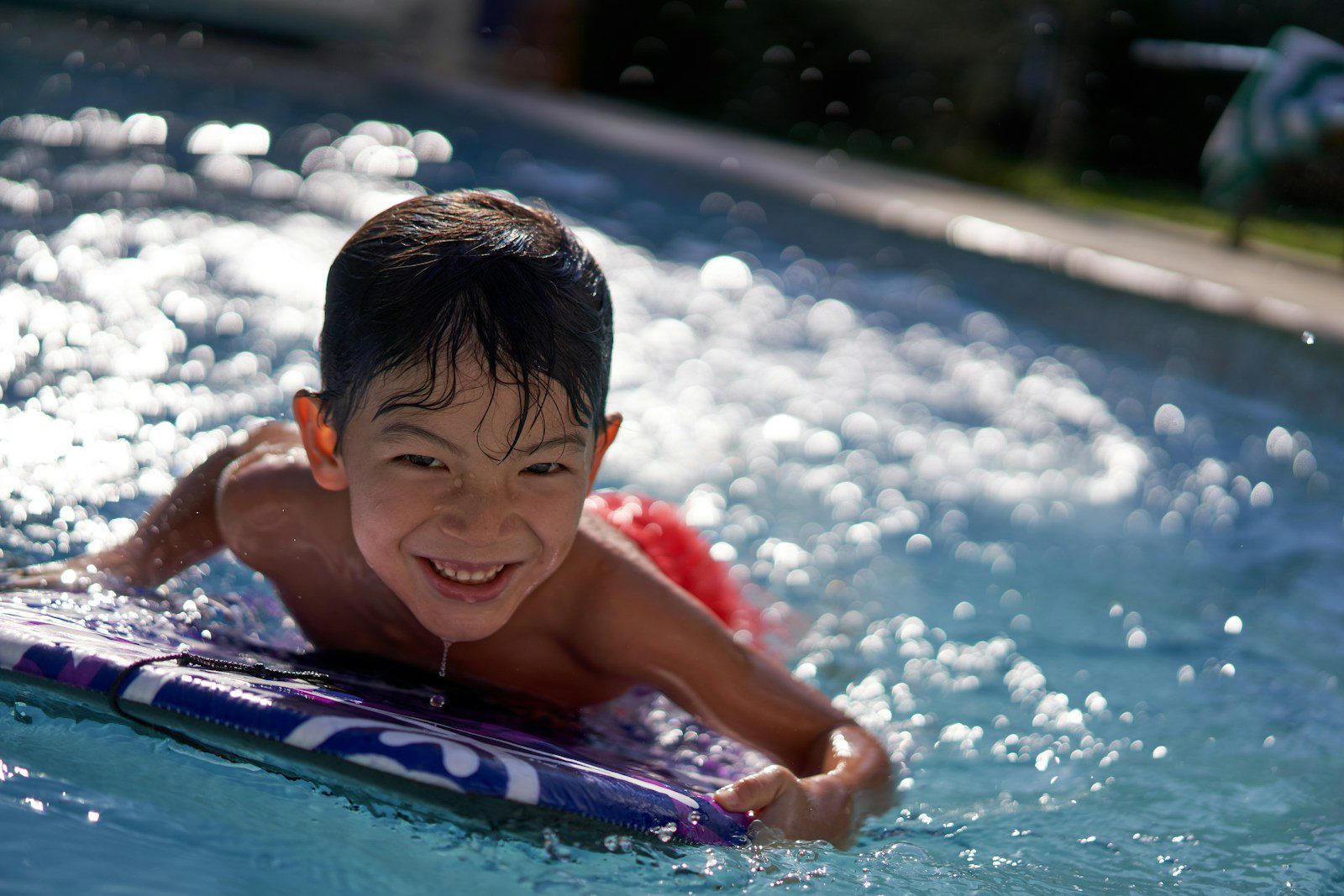
An average of 376 children under 15 drowned in a pool or spa every year between 2021 and 2023, and the number for 2023 alone, 379 deaths, was up 6 percent from the year before, according to a June 2026 report from the U.S. Consumer Product Safety Commission. Roughly four out of every five of those children were under age 5. More than 70 percent of the fatal drownings happened not at a public pool or a lake, but somewhere ordinary: a home, a relative’s backyard, or a neighbor’s property. The data lands at a moment when backyard pools have become more common than ever, and it draws a hard line under something pediatric safety researchers have said for years, that the water most likely to kill a young child is the one closest to home.
Why toddlers make up the overwhelming majority
The CPSC’s age breakdown is stark: roughly 80 percent of pool and spa drowning victims are under 5 years old. That number lines up with what the CDC has documented separately, that drowning is the leading cause of death for children ages 1 to 4 in the United States, ahead of car crashes, ahead of falls, ahead of every other kind of accidental injury in that age group. Toddlers in this range are mobile enough to wander toward water on their own but not developmentally equipped to understand the danger or self-rescue if they fall in. A child that age can slip under the surface within seconds and drown silently, without the splashing or shouting adults tend to expect.
The residential-property pattern
What stands out in the CPSC’s newest numbers is where these deaths are happening. Over 70 percent occurred at a residential setting, meaning the victim’s own home, a family member’s or friend’s house, or a neighbor’s property, not a hotel, waterpark, or public facility. That detail reframes the entire safety conversation. Most public pools already have lifeguards, posted depth markers, and fencing required by local code. A backyard pool, an inflatable above-ground pool, or a hot tub often has none of that, and it sits in a space where a child already has everyday access and a false sense of familiarity.
The CDC’s research backs up exactly what closes that gap: a four-sided isolation fence, one that separates the pool completely from the house and yard, reduces a child’s drowning risk by 83 percent compared with a standard three-sided fence that only runs along the property line. That’s a specific, actionable difference many homeowners haven’t made, because a three-sided fence still looks like adequate pool safety even though it leaves a door straight from the house to the water.
The injuries that don’t make the death toll
Fatal drownings are only part of the picture. The CPSC also tracked nonfatal incidents severe enough to require an emergency department visit, finding an average of 5,900 pool- or spa-related nonfatal drowning injuries treated in hospital ERs each year between 2023 and 2025. Nonfatal drownings can leave children with permanent brain damage from oxygen deprivation, even when the child survives the initial incident. For every child counted in the fatality statistics, several more end up hospitalized with injuries that follow them for life.
The season that matters most
The CPSC report confirms what most parents could probably guess: fatal drownings cluster heavily in June, July, and August, the exact months when backyard pools fill up and supervision routines get looser as school lets out and family schedules shift. That seasonal spike is also when the agency’s safety messaging is most urgent, urging households to designate a “Water Watcher,” an adult whose only job during pool time is watching the water, without a phone, a book, or a conversation pulling their attention away even briefly.
What the data points households toward
The CPSC’s recommendations, paired with the CDC’s fencing research, add up to a short list that’s more specific than generic “watch your kids” advice: install four-sided isolation fencing with self-closing, self-latching gates around any residential pool or spa; secure or remove ladders on above-ground pools when not in use; keep pool drains compliant with federal anti-entrapment standards; enroll young children in formal swim lessons, which the CDC notes measurably lowers drowning risk; and know CPR, since the gap between a drowning incident and emergency responders arriving is often the gap that determines outcome.
None of these measures require a public pool or a lifeguard. They’re steps built for exactly the setting where the CPSC’s own numbers say these deaths are actually happening: a family’s own backyard.