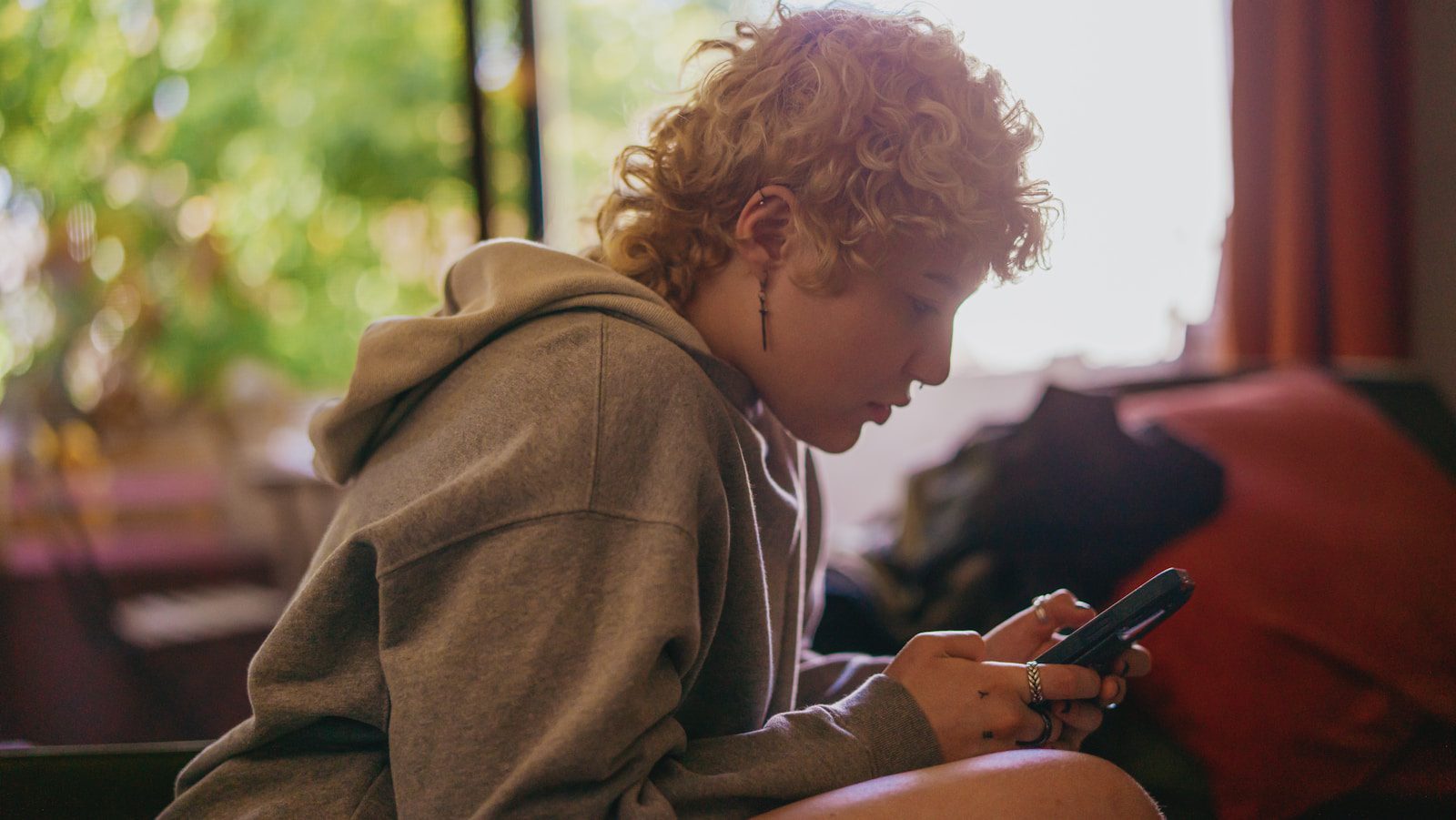
Parents and their teenagers are looking at the exact same phone and seeing two different problems. A Pew Research Center survey published in April 2026 found that 24 percent of parents say social media has hurt their teen’s mental health, while only 8 percent say it has helped. That’s a three-to-one gap in the negative direction. But dig into how parents and teens size up specific apps, and the disagreement gets even more interesting: 44 percent of parents with a TikTok-using teen think their kid spends too much time on it, while only 28 percent of teens themselves say the same thing about their own usage. Parents are watching the screen from the outside and seeing a bigger problem than the kid holding the phone reports feeling.

The perception gap, in the numbers
The 24 percent versus 8 percent split on mental health impact is the headline finding, but it’s worth sitting with what it actually implies: parents are three times more likely to see social media as a net negative for their teen than as a net positive. That’s not a fringe opinion split down the middle. It’s a clear majority-leaning sentiment among parents, even though most teens are still on these platforms daily, with their parents’ knowledge, often with their parents’ phone plan paying for the data.
The TikTok-specific numbers sharpen that gap into something more measurable. Parents overestimating their teen’s screen-time problem shows up not just with TikTok but with Instagram and Snapchat too, according to Pew, with parents consistently rating usage as more excessive than teens rate their own. And there’s an income wrinkle: parents earning $75,000 or more annually are more likely to say their teen spends too much time on TikTok, at 50 percent, compared with 36 percent of lower-income parents. Higher-income households may have more competing priorities, tighter schedules, or simply different baseline expectations for how a teenager’s time should be spent.
Sleep and school work take the biggest perceived hit
Beyond overall mental health, Pew asked parents about more specific effects. Roughly 40 percent of parents said social media negatively affects their teen’s sleep quality, and a similar share, around 40 percent, said it hurts productivity, meaning schoolwork, chores, or other responsibilities. Sleep and focus are two of the areas pediatric researchers most consistently flag when studying screen time in adolescents, so it’s notable that parents’ instincts line up with where the clinical concern tends to concentrate too.
Not every app gets the same side-eye
Parental comfort isn’t uniform across platforms, and that matters because it shows this isn’t blanket technophobia. Sixty percent of parents say they’re comfortable with their teen using Instagram, the highest comfort level of any platform Pew asked about. TikTok and Snapchat both come in lower, at 50 percent comfort. Among parents whose teen currently uses TikTok, 30 percent say they’re uncomfortable with it. That discomfort spikes even higher, to 73 percent, among parents whose teen doesn’t currently use TikTok at all and is asked to imagine them starting. In other words, TikTok carries a reputation problem among parents that extends well beyond households actually dealing with it day to day.
Most families are talking about it, at least
One number in the survey cuts against the idea that parents are simply anxious bystanders: 85 percent of parents say they talk with their teen about their social media use. That’s a high rate of active engagement, suggesting most of this concern isn’t playing out silently. It’s showing up in actual conversations at the dinner table or in the car, even if those conversations aren’t always landing the way parents hope.
How this fits the bigger picture of teen phone use
Pew’s broader research on teens gives some context for why this gap between parent worry and teen self-report might exist in the first place. In a separate Pew fact sheet on teen social media habits, the organization found that 36 percent of teens say they use at least one major platform almost constantly, and platforms like YouTube reach roughly 90 percent of teens, with about three-quarters using it daily. When usage is that baked into daily routine, it makes sense that a teen might not experience their own habits as “too much,” the same way a parent watching from a few feet away might.
The mental health gap and the usage gap aren’t really two separate findings. They’re the same disconnect showing up twice: parents are reading the amount of time as the problem, while teens, immersed in the habit itself, aren’t measuring it the same way at all.