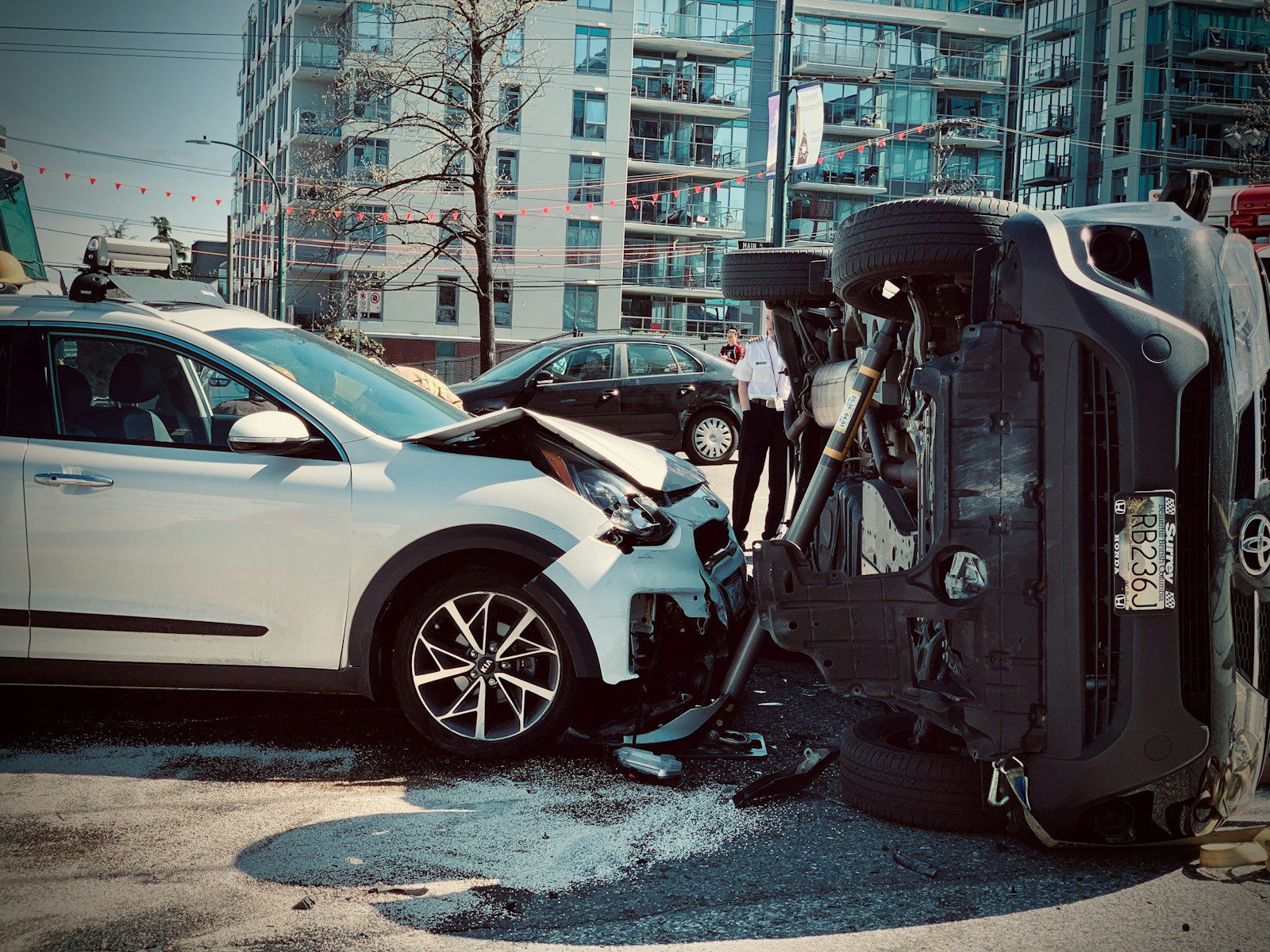
Thirty-nine percent of children injured in car crashes were wearing no restraint whatsoever at the time of the collision, and another 19% were using a restraint that didn’t match their age, height, or weight, according to a new study out of Ohio State University. The research, published in the journal Traffic Injury Prevention and covered by WOSU, found that more than half of hospitalized children in the dataset had injuries linked to improper or absent restraint use — and pinpointed one specific mistake as the most common culprit.
The Switch to Seat Belts Is Happening Too Early
Lead researcher Dr. Gretchen Baker of Ohio State’s College of Medicine analyzed crash and injury data for children up to age 13 pulled from the U.S. Trauma Quality Program. The single most frequent misuse pattern she and her team identified wasn’t a broken buckle or a missing car seat — it was children between roughly ages 4 and 10 being moved out of a car seat or booster and into a regular seat belt before they were physically ready for one.
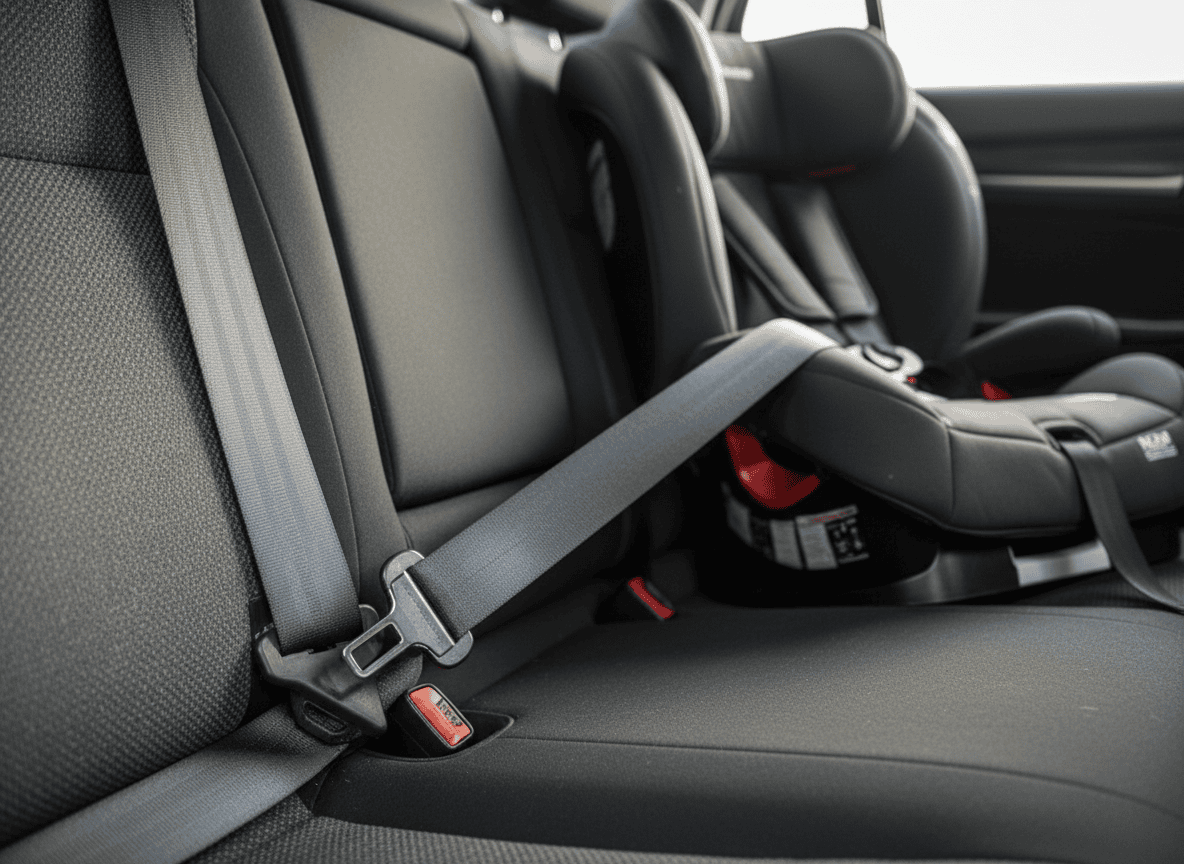
“The most frequent thing that we saw were children transitioning from using a car seat or a booster seat to the seat belt too early,” Baker said. A seat belt is engineered for an adult-sized body; on a smaller child, the shoulder strap tends to sit across the neck or face instead of the chest, and the lap belt rides up over the soft abdomen instead of the hip bones, raising the risk of serious internal or spinal injury in a crash.
No Restraint at All Was the Bigger Problem
Premature transitions accounted for a large share of misuse cases, but they weren’t the leading cause of injury overall — that distinction belonged to the 39% of injured children who had no restraint in use at all when the crash happened. Combined with the 19% using the wrong type of restraint for their size, the study suggests close to six in ten injured children were in some form of restraint mismatch, whether that meant an empty seat belt buckle or a booster seat swapped out too soon.
What the Research Points Parents Toward
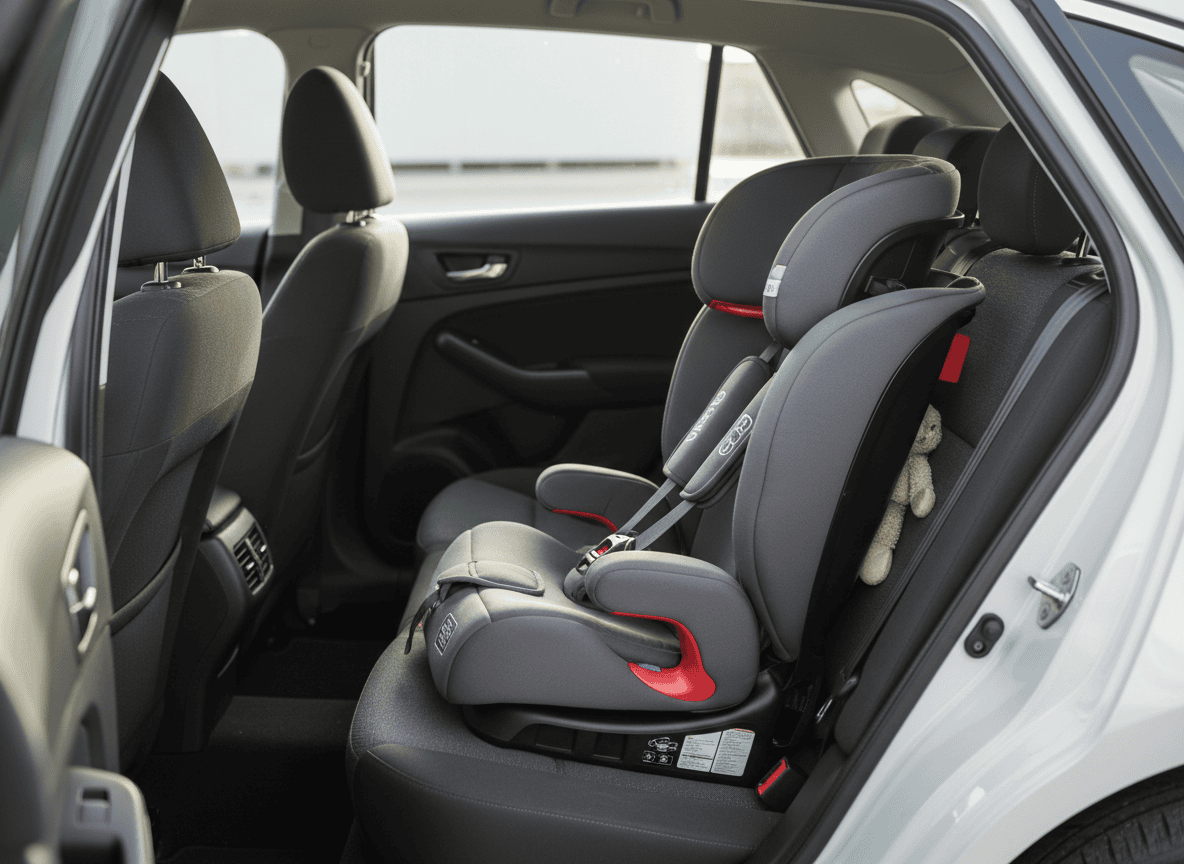
The National Highway Traffic Safety Administration recommends keeping children in a belt-positioning booster until a seat belt fits properly on its own — generally when a child reaches about 4 feet 9 inches, typically between ages 8 and 12, not simply once they say the booster feels babyish. The American Academy of Pediatrics offers similar age-and-size-based guidance rather than a single cutoff birthday. For parents unsure whether a child has actually outgrown their current seat, NHTSA and many local fire departments offer free installation checks conducted by certified child passenger safety technicians, a resource Baker’s team pointed to directly given how often the transition, not the equipment itself, was the source of the mismatch.