


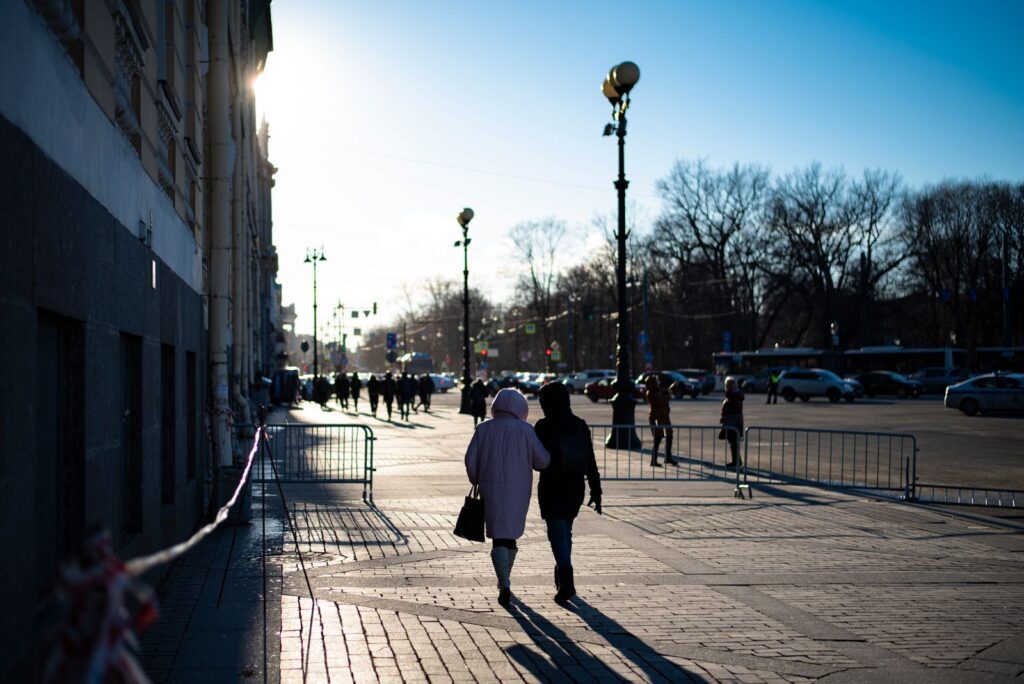
A neighbor parked a truck and work trailer in such a way that it completely blocked the public sidewalk. For pedestrians, this created an awkward scenario, forcing them to step into the street to bypass it. One mom, regularly encountering this inconvenience, decided it was time to address the issue. She approached the neighbor’s wife while they were both outside, mentioning how blocking the sidewalk was a hassle, but the response was a dismissive shrug.
After a couple of weeks with no change, she felt fed up. Each day, she snapped a photo of the trailer blocking the sidewalk, documenting the ongoing annoyance. With the evidence in hand, she decided to take action. She wrote a letter to both the police enforcement division and the homeowners’ association (HOA), including the photos and referencing the HOA bylaws that prohibited trailers from being visible from the street.

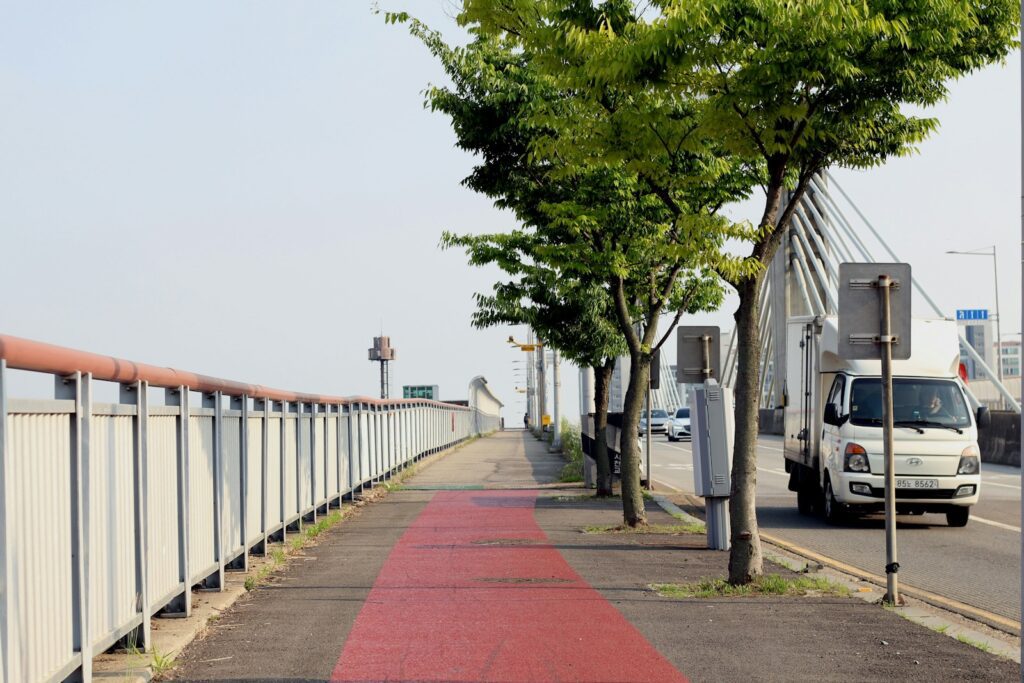
A few weeks later, her efforts paid off. The police issued a ticket to the neighbor, which led to the trailer being parked less in front of their house. While the situation improved slightly, it raised eyebrows in the neighborhood. Some wondered if the mom’s actions were justified or if she took things too far.
People had very different reactions to her approach. Some understood her frustration completely, saying that blocking the sidewalk was not only rude but unsafe for children and other pedestrians. They felt that standing up to the neighbor was necessary to maintain a walkable community.
Others pointed out that perhaps a first conversation would have sufficed before escalating to police involvement. They debated whether the mom’s method was too aggressive for a minor issue. Some suggested that neighbors should aim for more communication to solve conflicts rather than jumping straight to complaints.
As the conversation continued, those on the side of the mom shared stories of similar experiences with neighbors who didn’t respect shared spaces. They noted how frustrating it can be when personal actions impact public areas, especially when it comes to safety. They appreciated her commitment to advocating for pedestrian rights.
In contrast, supporters of more lenient approaches said it might help to foster a friendlier neighborhood atmosphere. They cautioned against letting grievances spiral out of control, which could lead to lasting tension among neighbors.
Others brought up how such situations can quickly escalate when one neighbor feels wronged. They pointed out that small disputes can turn into neighborhood feuds, which ultimately serve no one. The conversation turned into a discussion about the importance of community and finding ways to live harmoniously, even when disagreements arise.
Ultimately, reactions varied widely. Some believed standing up for oneself was crucial, especially when it meant protecting public spaces. Others thought that the mom might have overstepped, battling over a relatively minor inconvenience. Amidst the differing opinions, one fact remained—no one wants to feel trapped between the sidewalk and the street, all because a neighbor decided they needed to park a trailer in the most inconvenient spot.
As the debate carried on, it led to an unsettling thought: in a world where neighborhood disputes can easily lead to bigger conflicts, how does one balance being assertive with the need for community harmony?
More from Decluttering Mom: