


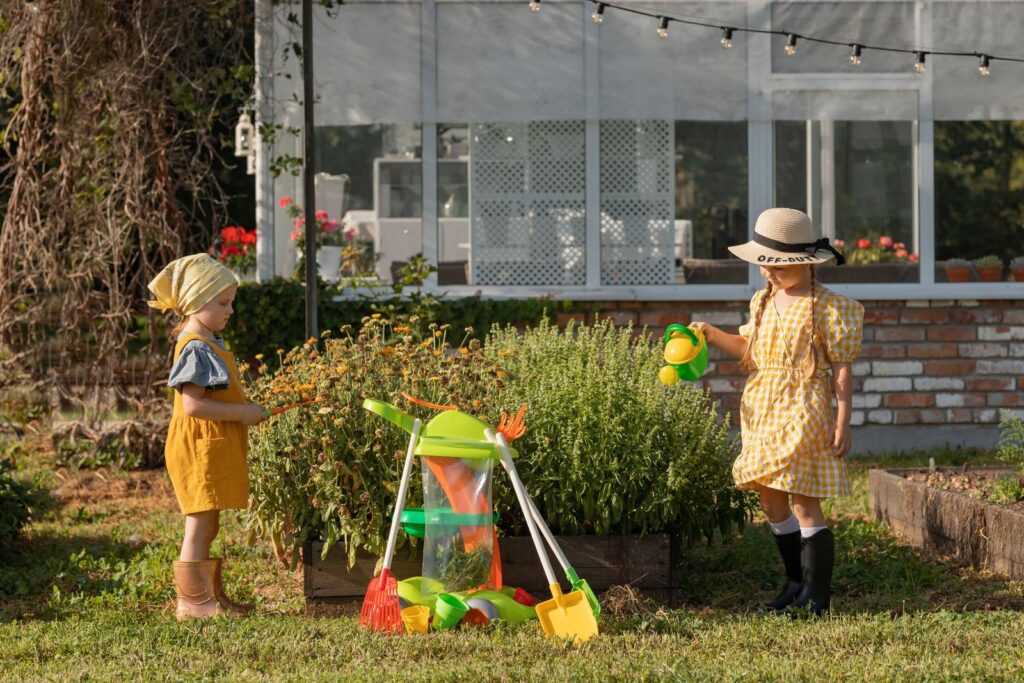
One mom found herself in an unusual predicament when her neighbor’s child, a girl named Sam, stole toys from her yard. The situation escalated when Sam’s mother confronted her, expressing outrage over the boundary set by the mom’s children after Sam attempted to apologize. It was an unexpected moment that left the mom uncertain about how to navigate the conversation.
After telling her kids to alert her if Sam came over again, the mom discovered that Sam had brought an apology letter. Instead of acceptance, Sam’s note was met with rejection from her daughter and friends, who told Sam she was no longer welcome to play in their yard. This rejection prompted an interesting message from Sam’s mother, who seemed offended by how the children handled the situation. The text claimed that it was “rude and unacceptable” for the kids to deny Sam access to their play area.

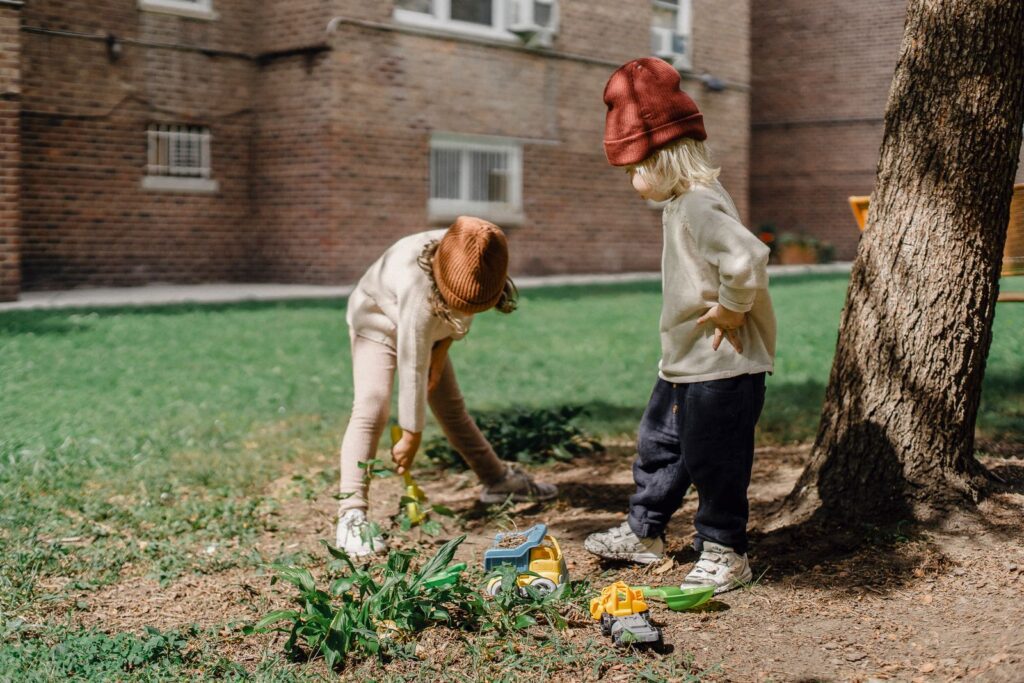
The mom, caught off guard, felt compelled to respond. She was in the middle of a work meeting when the message came through, but she didn’t want to seem unapproachable. When they finally talked in person, Sam’s mom painted a picture of her daughter as a sweet child who simply made a mistake. She downplayed the incident, insisting that Sam hadn’t fully understood the consequences of her actions, which included more than just the stolen toys.
During the conversation, the mom attempted to address other concerning behaviors exhibited by Sam, including alarming stories she had shared with the neighborhood kids. This included a claim that someone tried to abduct her, a detail that understandably unsettled the other children. Instead of addressing the impact of Sam’s words, Sam’s mom brushed it off, which left the mom feeling a bit uneasy about the conversation.
The parent was also surprised by the suggestion from Sam’s mom that they take a break from their friendship, a move she found reasonable, given the circumstances. However, she didn’t feel confident navigating the conversation. As the dialogue continued, she felt defensive, particularly when the mom criticized her child for asserting boundaries.
Reflecting on the exchange, the mom wished she had articulated her points more strongly, particularly regarding the notion that setting boundaries wasn’t about being rude but about protecting her kids. She recognized that the focus seemed to shift away from Sam’s actions and onto how her children responded instead. It felt frustrating to her, especially since she never intended to come off as disrespectful.
In the aftermath, she questioned herself, wondering if she should have texted Sam’s mom to clarify her stance about boundaries and acceptable behavior. This inner dialogue sparked a sense of dissatisfaction with how the entire situation unfolded. What should have been a straightforward issue about toy theft turned into a complex discussion about parenting styles and childhood behavior.
People had very different reactions to the mom’s dilemma. Some sympathized with her, understanding the importance of setting firm boundaries, while others felt that perhaps Sam’s mom had a point about teaching kids how to forgive. They suggested that it might be valuable for her children to learn about forgiveness and understanding the perspective of others, even when it was difficult.
Others pointed out that Sam’s behaviors were concerning, suggesting that the situation was not just about toys but rather a pattern that needed to be addressed. They felt it was crucial for parents to intervene when a child exhibits troubling behavior, emphasizing that it’s essential to teach children accountability and respect for others’ property.
The mom’s experience raised questions about how to effectively navigate these kinds of neighborhood conflicts. With the complexities of childhood interactions and the challenges of parenting styles colliding, it left many wondering where the line should be drawn. Can kids learn to play and forgive while also understanding the importance of boundaries? The situation felt unresolved and lingered, leaving everyone involved to ponder the best path forward.
More from Decluttering Mom: