


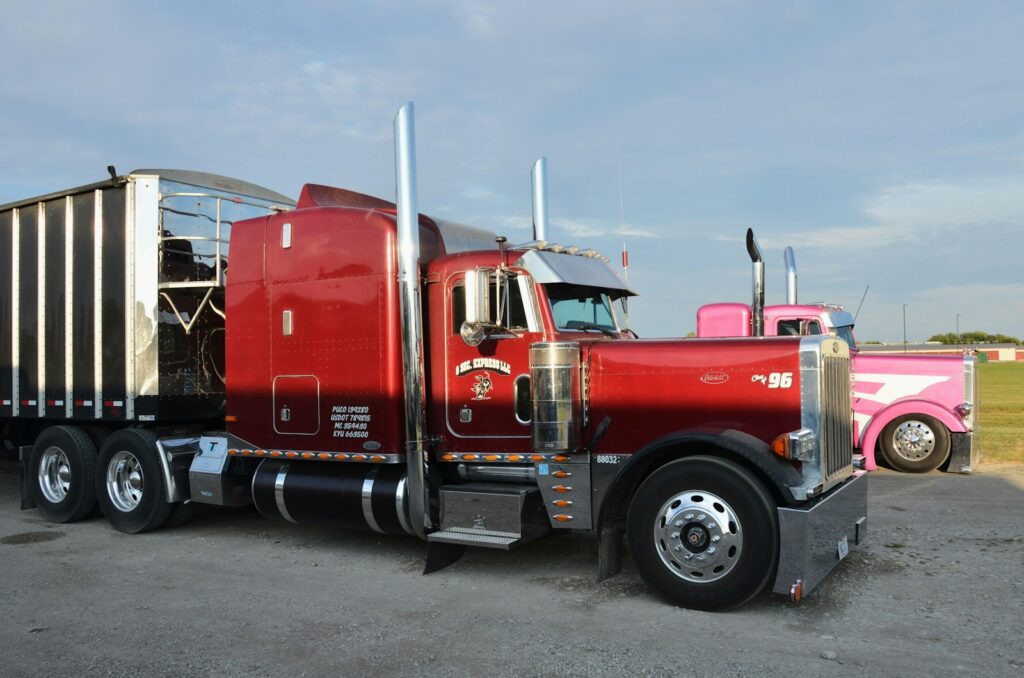
One mom was left unsettled when her neighbor, who had recently started a trucking company, began parking his massive 18-wheeler in their cul-de-sac. This was no ordinary street; it was filled with small kids, including her own two children who were under eight. The sight of the gigantic vehicle looming over the small, playful neighborhood sent waves of tension ripple through the area, especially for a parent who was keenly aware of safety concerns.
With six other kids living nearby, the presence of the truck felt like an unwelcome intrusion. The local county ordinance stated that if the truck wasn’t actively used for business, it couldn’t be parked overnight. Faced with this situation and opting for stealth over confrontation, she chose to report her neighbor instead of discussing it directly with him. This decision led to unexpected fallout when the neighbor discovered her actions.

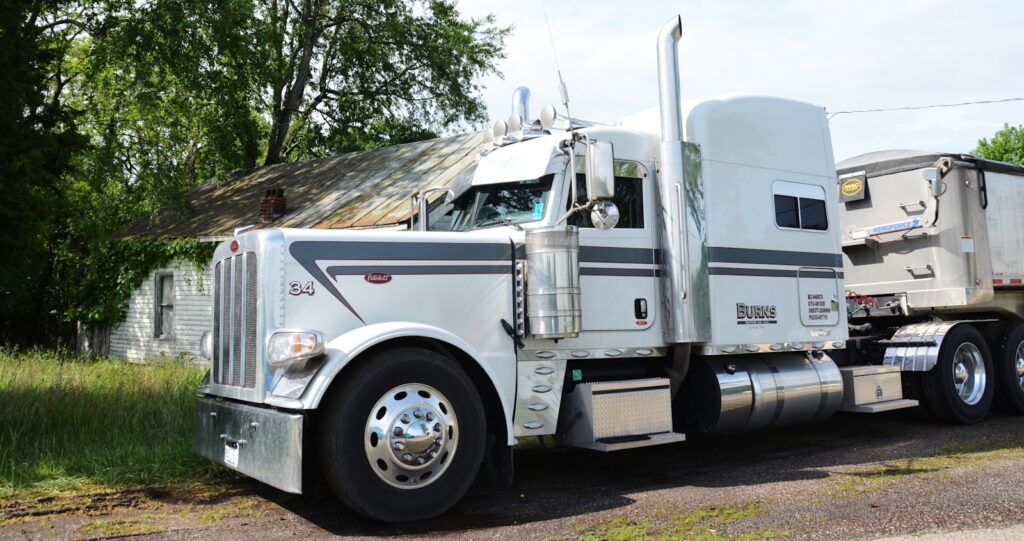
When the neighbor confronted her, things became awkward fast. He wasn’t exactly pleased. The mom felt uncomfortable as she tried to avoid eye contact with him every time they crossed paths. For about a year, the tension loomed thick in the air, robbing the neighborhood of its usual camaraderie. She wanted to apologize for how she had handled the situation, but she didn’t know how to go about it. That uncertainty left her feeling just as uneasy as before.
In an attempt to find some guidance, she turned to Reddit, asking for advice on how to make amends with her neighbor. Her post elicited a flood of reactions, with many users chiming in to share their thoughts. People had very different reactions to her predicament, with some supporting her for taking action against the truck, while others criticized the passive approach she had chosen.
Some users suggested that perhaps a simple, honest conversation might be the best way to break the ice. They recommended starting with something straightforward, like, “I’m sorry I didn’t come to you first about the truck situation.” That approach could serve as a foundation for rebuilding their neighborly relationship. Others pointed out that once trust is broken, it might take more than a heartfelt apology to mend things. The voices chimed in, each opinion adding another layer to her already complex feelings.
Some commenters felt it was perfectly acceptable to report the truck, arguing that adhering to parking laws is everyone’s responsibility. They believed that the mom was within her rights, and the neighbor should have considered the safety of the children before parking his large vehicle there. On the flip side, others felt that, even if the truck was a nuisance, direct communication would have been the better route. That perspective raised questions about community interaction versus personal grievances.
As she pondered the varied opinions, she considered how hard it was to navigate neighborly conflict in close quarters. It wasn’t just about the truck anymore; it was about a relationship that had soured and the awkwardness that permeated their interactions. The desire to apologize felt increasingly complicated as she thought about how her actions had affected not only her but also the neighbor’s business and reputation.
In the end, one mom was left wondering not just how to approach her neighbor, but what kind of relationship they could realistically have moving forward. Could a simple apology mend the rift? Would the neighbor even be open to it? The dilemma continued to swirl around in her mind, a question without a clear answer hanging in the air like the massive truck that had been parked for too long.
More from Decluttering Mom: