


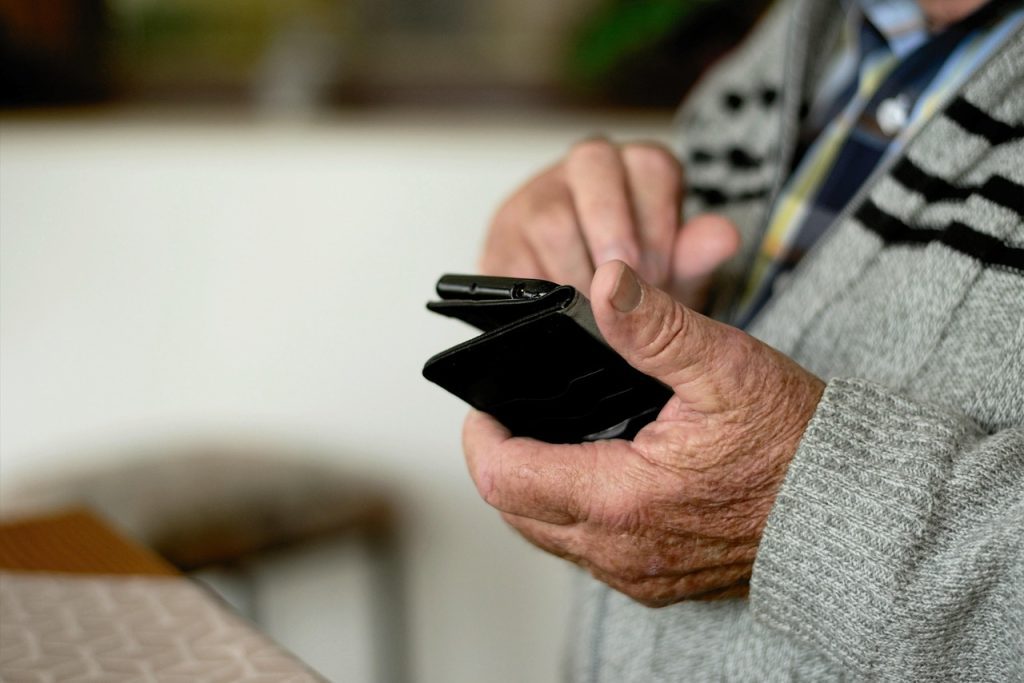
When someone dies, the urge to “clear everything out” can hit fast, especially when grief is tangled up with boxes and closets. But some things carry a kind of quiet power that only shows up months or years later, when the shock has worn off. Here are five categories people consistently regret tossing, and how holding on to them can soften the hardest parts of loss.
1) Family Heirlooms from a Loved One

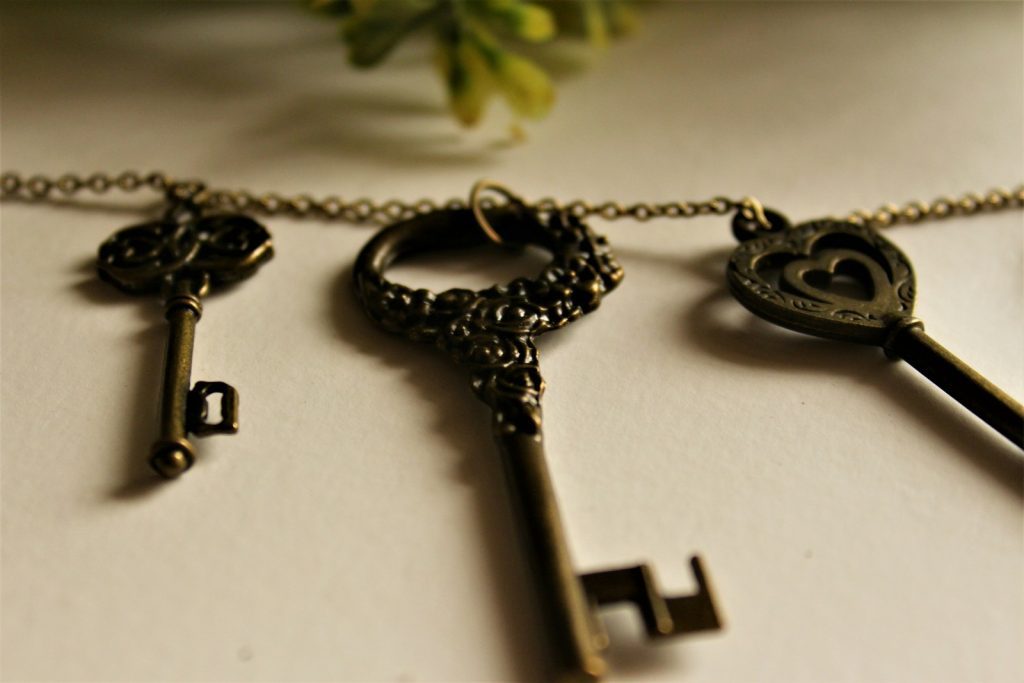
Family heirlooms from a loved one are the clearest example of things that feel like clutter in the moment but turn into anchors later. A professional thrift shopper told family-heirloom experts that pieces like recipe boxes, quilts, and old silver often show up in donation bins only because relatives are overwhelmed. Once they are gone, there is no way to re-create the handwriting on a stained recipe card or the feel of a blanket someone stitched by hand.
Another report on 6 Family Heirlooms You’ll Regret Throwing Away, According, Professional Thrift Shopper, Martha Stewart Living, Ashley Poskin underlines how quickly strangers snap up these pieces, precisely because they recognize the craftsmanship and history. The stakes are bigger than décor, since these objects often hold the only physical link to stories that were never written down. Keeping even one or two carefully chosen items can preserve that lineage for kids and grandkids who never got to meet the person behind them.
2) Sentimental Clutter with Emotional Ties
Sentimental clutter with emotional ties, the ticket stubs, mugs, and random souvenirs, is easy to dismiss as junk when a family is exhausted. Yet reporting on the clutter you’ll regret throwing away shows that these small, specific objects are often what trigger the sharpest memories later. A chipped coffee cup from a daily breakfast routine or a faded concert T-shirt can instantly pull someone back into a shared joke or ritual that no photo quite captures.
Professional organizers who talk about things you’ll never regret throwing away usually mean broken gadgets and duplicate kitchen tools, not the one-off items tied to a person’s story. The real risk is tossing everything in a rush and realizing months later that there is nothing left that still smells like their perfume or carries their handwriting. Keeping a small “memory box” of this so-called clutter gives grieving relatives a low-pressure way to revisit those ties when they are ready.
3) Old Phones and Digital Memories

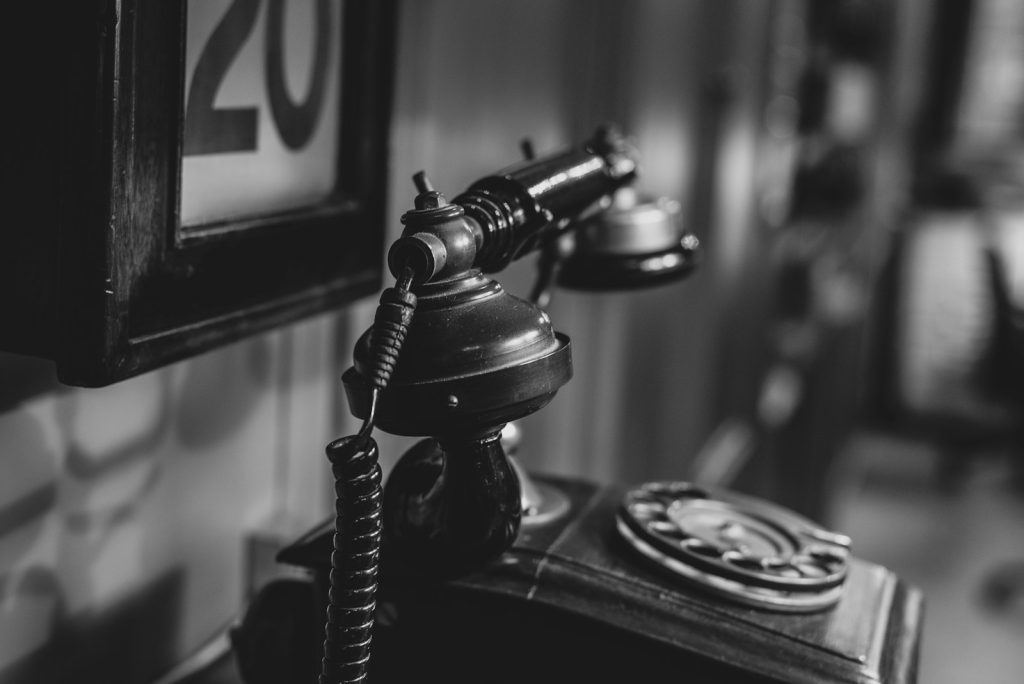
Old phones and tablets from a loved one can look like outdated tech, but they are often packed with irreplaceable digital memories. Guidance on how to handle an old phone before getting rid of it stresses backing up photos, messages, and contacts before anything is recycled. For someone who has died, that might mean the last text thread they ever sent, voice notes they recorded, or candid photos that never made it to social media.
There is also a practical side, since contacts stored only on that device may be the key to reaching old friends for a memorial or settling loose ends. Articles on things you never regret throwing away often include dead chargers and mystery cables, but they draw a line at devices that still hold data. Wiping and donating the hardware is fine, as long as the family first pulls off the digital pieces that will matter emotionally and logistically for years.
4) Personal Insights from End-of-Life Experiences
Personal insights from end-of-life experiences often arrive in the form of journals, letters, or even scribbled notes on hospital paperwork. People reflecting on what they wish they knew before witnessing a loved one’s death describe deep regret over tossing “depressing” notebooks or medical folders that later turned out to contain heartfelt reflections. In the fog of grief, it is easy to see these piles as painful reminders instead of the last record of what someone was thinking and feeling.
Other accounts, like social posts warning that When Someone, Family Passes Away, Never Throw Away These, Things, Their Funeral, Check, echo the same caution about rushing to discard anything written or personally handled near the end. The broader trend is clear, families later crave context about those final weeks, and even a single page of notes can answer questions that would otherwise haunt them. Setting these papers aside in a labeled folder gives everyone time to decide, with a clearer head, what to keep close.
5) Timeless Personal Possessions
Timeless personal possessions, from a perfectly broken-in leather jacket to a classic watch, can quietly carry someone’s style into the next generation. A guide to 20 timeless items you’ll never regret owning in your 30s highlights pieces like tailored coats and quality boots that outlast trends. When those same items come from a loved one’s closet, they stop being just wardrobe staples and start functioning as wearable memories that fit seamlessly into daily life.
Moving experts who list 6 Things You’ll Regret Packing When You Move warn against hauling every low-quality item to a new place, but they make an exception for well-made, meaningful pieces. Keeping a few of these objects respects both emotional and practical realities, they are useful, stylish, and deeply personal. Over time, wearing a parent’s coat or using a grandparent’s bag can feel less like clinging to the past and more like carrying that person forward into new chapters.
More from Decluttering Mom: