



One mom found herself in a confusing spot when her boyfriend interpreted a simple missed phone call as a sign of infidelity. She had been enjoying a family vacation when her boyfriend called while she was rushing to the bathroom. After explaining she would call him back, he reacted coldly, immediately jumping to conclusions about her loyalty.
This wasn’t an isolated incident. The mom had noticed a pattern where her boyfriend’s past experiences with cheating would trigger him, leading him to lash out at her. She tried to understand his feelings, but his accusations often left her feeling defensive and cornered. Instead of discussing his insecurities, he would pivot to blaming her, which felt unfair and disheartening.

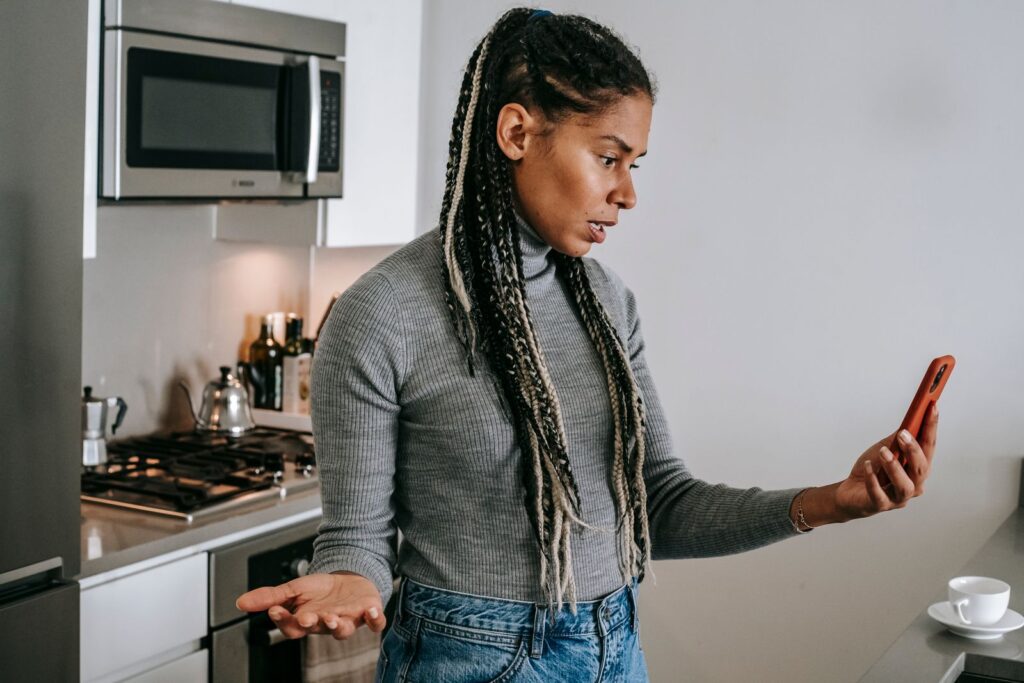
During the past month of their relationship, she had taken concrete steps to reassure him. She deleted her social media apps, believing they might help quell his fears. Despite her efforts, moments like these still left her rattled. Feeling judged for actions she hadn’t even taken was beginning to wear her down. She wondered how long she could continue to reassure him without feeling resentful.
Many people on Reddit chimed in with various perspectives on her situation. Some sympathized with her boyfriend, pointing out that past trauma could lead someone to react this way. They emphasized that healing from cheating could take time and suggested that patience was key in this relationship. Others were less forgiving, thinking the boyfriend’s behavior crossed a line into insecurity that could be detrimental to their partnership.
Some commenters advised her to set clear boundaries and communicate her feelings directly. They highlighted the importance of being firm about what is acceptable behavior in a relationship. Others pointed out that the boyfriend’s lack of trust could indicate deeper issues that might need professional help, rather than just reassurance from her.
Another group felt she was justified in considering ending the relationship. They believed that a partner’s unresolved trauma shouldn’t dictate the emotional state of the other person. They cautioned that if her boyfriend continued to dismiss her feelings and label her actions as suspicious, her mental well-being could be at risk.
As the mom navigated this tricky situation, she tried to balance empathy for her boyfriend’s scars with her own need for respect and trust. She was left questioning if she was being too sensitive or if her boyfriend’s reactions were indeed excessive. Would reassurance ever be enough to soothe his fears, or was this pattern going to keep repeating?
The conversation around relationships often delves into how one partner’s past can shape their present. In this case, the boyfriend’s past experiences were weighing heavily on their budding relationship. The mom faced a tough choice: remain supportive as he worked through his trauma, or prioritize her own emotional health and peace of mind. The question lingered: how much is too much when it comes to accommodating a partner’s insecurities?
More from Decluttering Mom: