


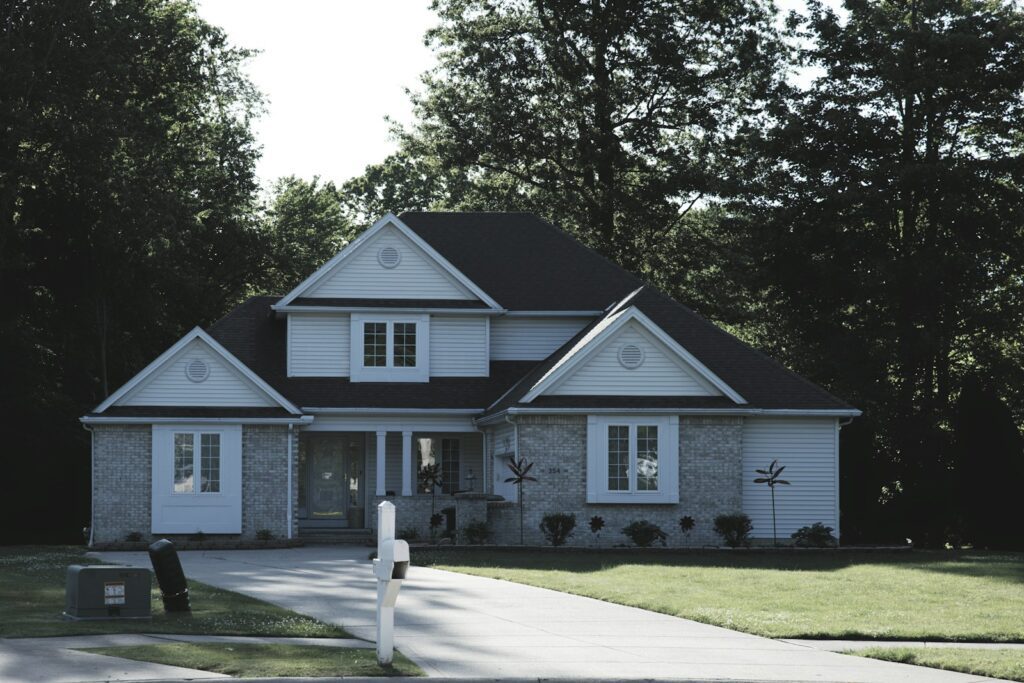
The median new single-family home in America now measures 2,176 square feet, according to NAHB’s analysis of Census Bureau construction data — smaller than the homes builders were putting up back in 2010, and nearly 550 square feet below the all-time peak. Builders aren’t shrinking floor plans because Americans suddenly want less space. They’re shrinking them because that’s the only lever left to keep a monthly mortgage payment inside what a stretched buyer can actually afford. When land, labor, materials and interest rates all climb at once, the square footage is what gives.

1. The Peak Was Just Over a Decade Ago
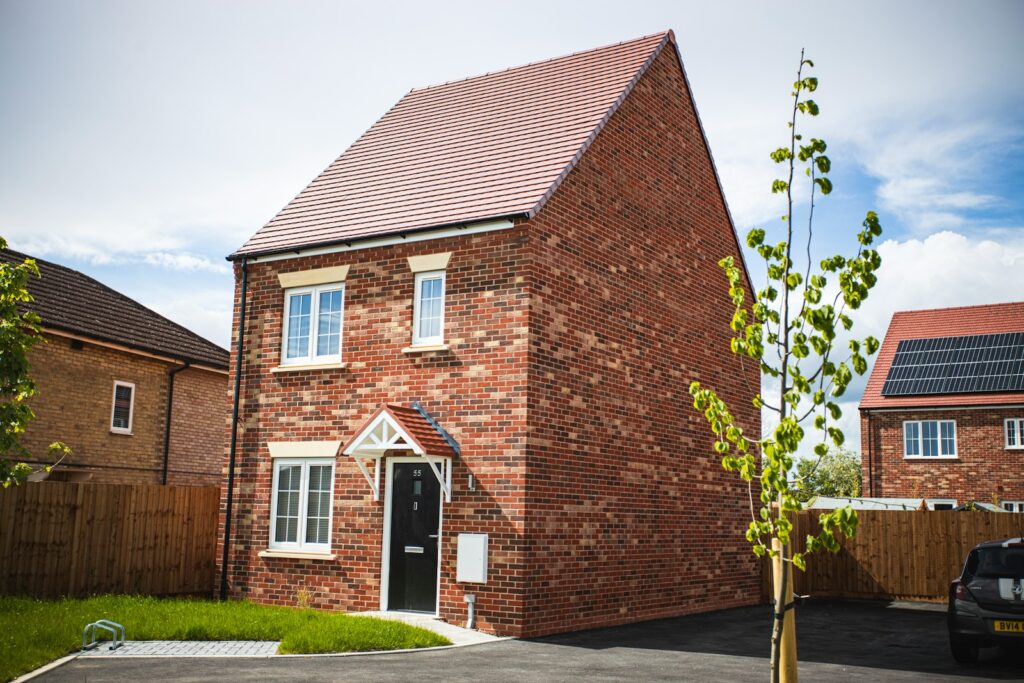
New homes weren’t always trending smaller. Average square footage climbed steadily from 2,457 square feet in 2010 to a peak of 2,724 square feet in 2015, per Census Bureau figures, back when low rates and looser lending let builders chase bigger, more profitable homes. NAHB’s data shows the median has since fallen to 2,176 square feet, with the average now around 2,405 square feet — a real, sustained retreat, not a one-year blip.
2. Affordability, Not Taste, Is Driving It
NAHB’s own analysis is blunt about the cause: “New single-family home size has been generally falling since 2015 as a response to declining affordability conditions.” That’s a builder-side decision, not a buyer preference showing up in survey data. When a builder can’t lower land costs or labor rates, cutting 200 square feet off a floor plan is one of the few remaining ways to shave tens of thousands of dollars off a list price and keep a monthly payment within reach.
3. There Was a Brief, Telling Exception
The shrinking trend actually paused in 2021, when mortgage rates hit historic lows and homes temporarily grew larger again — proof that size tracks affordability almost in real time, not the other way around. As soon as rates climbed through 2022 and 2023, demand for smaller, cheaper-to-build homes came roaring back, and square footage resumed its decline. It’s a clean natural experiment: give buyers cheap money and homes get bigger; take it away and they shrink.
4. Bigger Isn’t Disappearing Everywhere — It’s Concentrating
Even as the typical new home shrinks, Census data shows the homes that do get built are more feature-dense than a decade ago. The share of new homes with four or more bedrooms rose from 41% in 2010 to 49% in 2019, and homes with three or more bathrooms climbed from 27% to 36% over the same stretch. Builders are packing more function into less square footage — smaller footprints, tighter layouts, fewer wasted hallways — rather than simply building cheaper, sparser houses. Open-concept layouts do a lot of that work quietly: knocking down a wall between a kitchen and living room can make a 2,176-square-foot home live bigger than a chopped-up 2,400-square-foot house from the 1990s, even though the tape measure says otherwise.
5. Watch What Happens if Rates Settle
NAHB’s own outlook flags a possible “leveling off of home size trends in 2026 as mortgage interest rates approach 6% on a sustained basis.” That’s worth watching closely if you’re house hunting: a sustained rate drop toward 6% could be the first real signal that builders start adding square footage back, the same way they did briefly in 2021. Until that happens, expect floor plans to keep trimming closets, combining formal living and dining spaces, and quietly deleting the bonus room that used to come standard.
6. What This Means If You’re Shopping New Construction
A smaller median home isn’t automatically a worse deal — it can mean a lower price point that actually clears your budget. But it does mean walking into a builder’s model home expecting less flex space than a decade-old comparable might have offered, especially formal dining rooms and guest suites, which tend to be the first casualties when a floor plan gets trimmed. If square footage matters more to you than price, ask specifically whether a builder offers an unshrunk “classic” plan alongside its newer, tighter ones — many still do, at a real price premium. It’s also worth asking how a builder’s median size has moved over the past five years specifically, since national averages can mask a lot of local variation between production builders racing to hit a price point and custom builders who haven’t budged on square footage at all.
The size of the average new house has quietly become a running scoreboard of how squeezed buyers really are — every lost square foot is a builder admitting the math stopped working at the old size.