

Have you ever looked up a hotel, a gadget or a pair of shoes, come back an hour later and swore the price had gone up? New York City has now decided that feeling deserves a law.

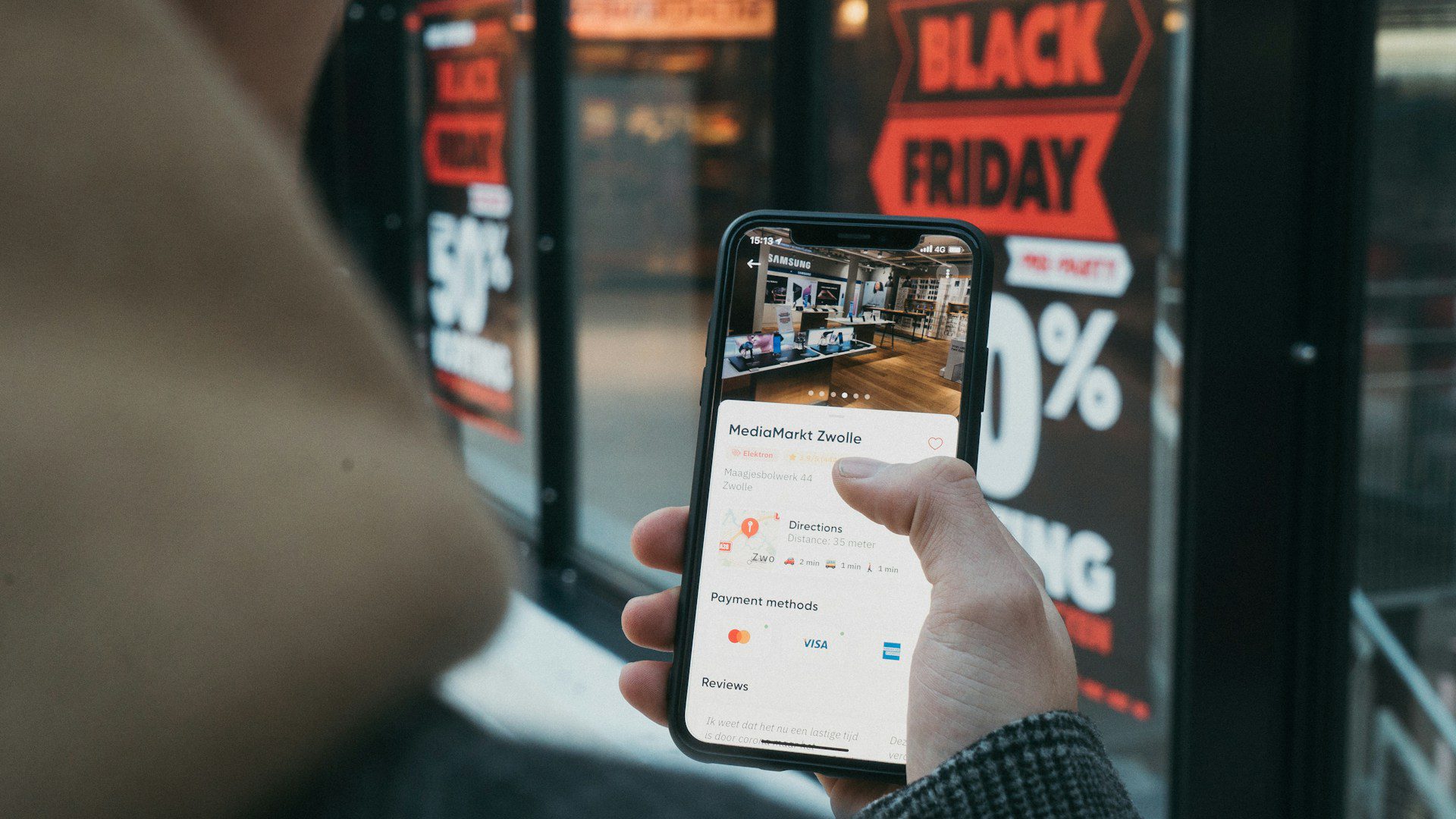
The city council passed a ban on what is called surveillance pricing, voting 44 to 5, according to the NYC Council. The ban bars stores from using an algorithm and your personal data, such as your browsing history, to charge you a different price than the next shopper for the exact same item.
Same Item, Same Store, Different Price For You
Here is how the practice works in plain terms. A store collects information about you, like the pages you have visited and what you have looked at. Software then decides how much you might be willing to pay, and the price on your screen can differ from the price someone else sees for the identical product.
The new ban makes that illegal for prices set by algorithm using personal data. Two people looking at the same item should see the same price, and your browsing habits should not be used to nudge the number up.
Seniors, Veterans, Teachers And Students Can Still Get Their Discounts
Before anyone worries about losing a favorite deal, the law includes clear exceptions. Bona fide discounts are allowed. So are loyalty programs, and so are group discounts for veterans, seniors, teachers and students.
That matters because the point of the law is not to stop stores from rewarding customers. It is to stop quiet, hidden price changes that nobody agreed to and most people never notice.
$1,000 Per Violation And A Clock That Starts Ticking
The ban takes effect in 120 days. Violations can bring fines of up to $1,000 each, which can stack up fast for a business that sets prices for thousands of customers.
New York is not the first. Seattle was first to ban surveillance pricing, which makes New York City the second city to do it. Maryland, Connecticut and New Jersey have similar state laws, so the idea is spreading from one place to the next.
Group Discounts Stay, But Hidden Price Games Do Not
It helps to keep the two ideas apart. A senior discount or a teacher discount is open and public. Anyone who qualifies can see it, ask for it and count on it, and the store tells you what it is.
Surveillance pricing is the opposite. The price is built quietly from your personal data, and you never see the version of the price that someone else got. The council’s vote draws that line clearly, and the exceptions show lawmakers were careful to protect the everyday discounts shoppers already use.
If you are a veteran, a senior, a teacher or a student, keep asking for the discount you earned. The law was written so those deals can continue.
What This Means If You Do Not Live In New York
If you live somewhere without a rule like this, nothing about your own prices has changed. But the story is a useful reminder that online prices are not always the same for everyone, and a few simple habits can protect your wallet.
- Compare before you buy. Check the same item on a second device, in a private browsing window, or ask a family member to look it up and see whether the number matches.
- Clear your cookies once in a while. It will not fix everything, but it limits how much a site remembers about what you looked at.
- Use price comparison tools and check a few stores. A price that looks high is easier to spot when you have a second number next to it.
- Be careful about wait-and-see shopping. Some people find the price changes between visits, so if you find a good price on something you need, do not assume it will be there tomorrow.
- Read the fine print on loyalty programs. Real loyalty discounts are legal and often worth it, but know what you are giving up in data to get them.
Why Shoppers Of Every Age Should Care
For years, shoppers have been told that the price on the screen is simply the price. The idea behind this law is that the price should not be a secret negotiation that only the store gets to see. Whether you shop for groceries, gifts or a new appliance, fairness at the checkout is something almost everyone can agree on.
Shopping online has made it easy to compare, but it has also made it easy for stores to learn a lot about us. A rule that says your clicks cannot raise your price is a simple idea that many shoppers will understand right away.
It will take time to see how the rule works in practice, and the 120 day wait gives stores a window to adjust. In the meantime, the council’s vote is a clear signal that lawmakers are paying attention to how personal data ends up in your shopping cart.
The takeaway is easy to carry with you. Prices should depend on the product, not on who is looking at it. If a deal ever feels different the second time around, trust that instinct, check another device and compare. A little checking is the best protection you have.
More Stories You May Like
- Bose Is Recalling 634,759 Speaker Battery Packs That Can Melt Or Catch Fire, But The Speaker Itself Still Works Plugged In
- She Spent 1 Hour And 20 Minutes Just Starting A Speed Queen Warranty On A Used Washer And Dryer, Then Found No Authorized Repair Person In Her City
- Shopper Pays Under $25 At Walmart For A Thanksgiving Feast That Feeds 10, And The Cart Holds A Nearly 14 Lb Turkey Plus Every Side