


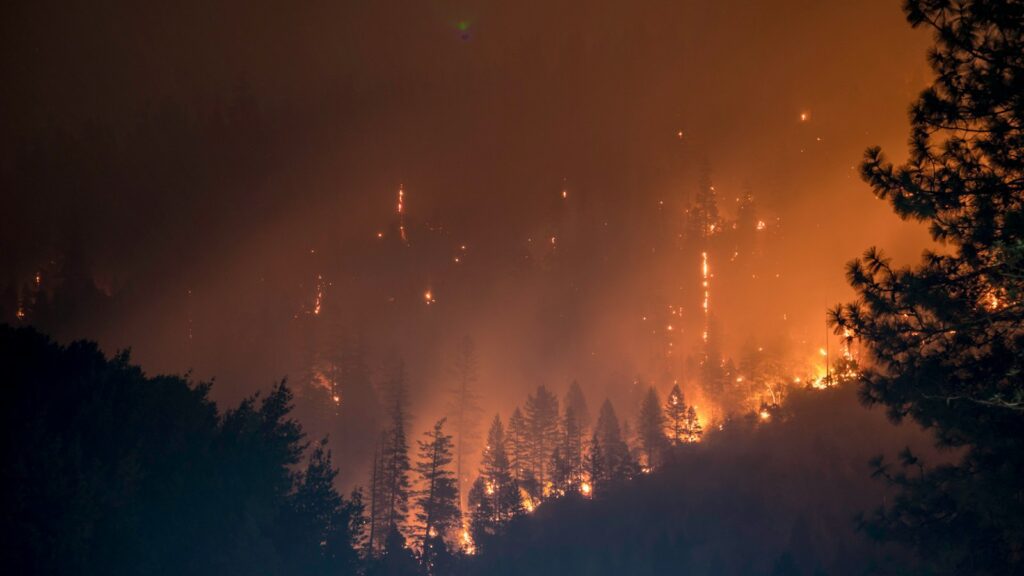
A wind-driven wildfire straddling the Lake and Mendocino county line has burned past 4,000 acres in barely two days, and California’s emergency management agency has already rushed engines, water tenders and crews into position across Northern California ahead of the next round of dangerous fire weather.
The Lucas Fire ignited September 10 at 9:18 a.m. near Potter Valley, roughly three miles east of Route 20 between Ukiah and Clear Lake, according to CAL FIRE’s incident page. It spread with startling speed on day one — 10 acres by early afternoon, 200 acres within thirty minutes, and roughly 400 acres by 4 p.m., SFist reported. By the evening of September 12, CAL FIRE listed the fire at 4,008 acres and only 15% contained, with the cause still under investigation.
Evacuation orders remain active across multiple zones in both counties, including areas around Bachelor Valley in Lake County, and evacuation warnings cover a wider ring of surrounding neighborhoods. CAL FIRE has assigned more than 1,290 personnel, 61 engines, 32 dozers, 35 water tenders, 51 crews and 17 helicopters to the fight. Cal Fire’s own morning update, cited by the Press Democrat, warned that “temperatures and winds are expected to increase along with lowering humidity” — the exact combination that fuels rapid fire growth.
That forecast is why the California Governor’s Office of Emergency Services didn’t wait. Cal OES pre-positioned 31 fire engines, nine water tenders, a helicopter, a bulldozer and roughly 100 personnel across Northern California counties including Lake, Shasta, Tehama, Plumas, Sierra, Colusa, Glenn and Mono, with resources staged from Saturday morning through Monday, per Cal OES’s own announcement. “Being ready before dangerous fire weather arrives gives California a critical advantage,” said Cal OES Director Caroline Thomas Jacobs, noting the goal is faster local response before small fires escalate.
Protecting a Home Before the Next Red Flag Warning
For homeowners anywhere near the fire perimeter or under a red flag warning, defensible space work matters as much as evacuation planning. Fire officials recommend:
- Clear dead leaves, needles and debris from roof surfaces and rain gutters, where embers land first.
- Maintain a five-foot noncombustible zone immediately around the foundation — no bark mulch, wood piles or dry shrubs touching the house.
- Move patio furniture cushions, doormats and propane tanks away from exterior walls before red flag conditions arrive.
- Rake dry vegetation back at least 30 feet from structures, and keep grass mowed short in that zone.
- Close all windows and vents, and shut off any gas appliances, if an evacuation order is issued for your area.
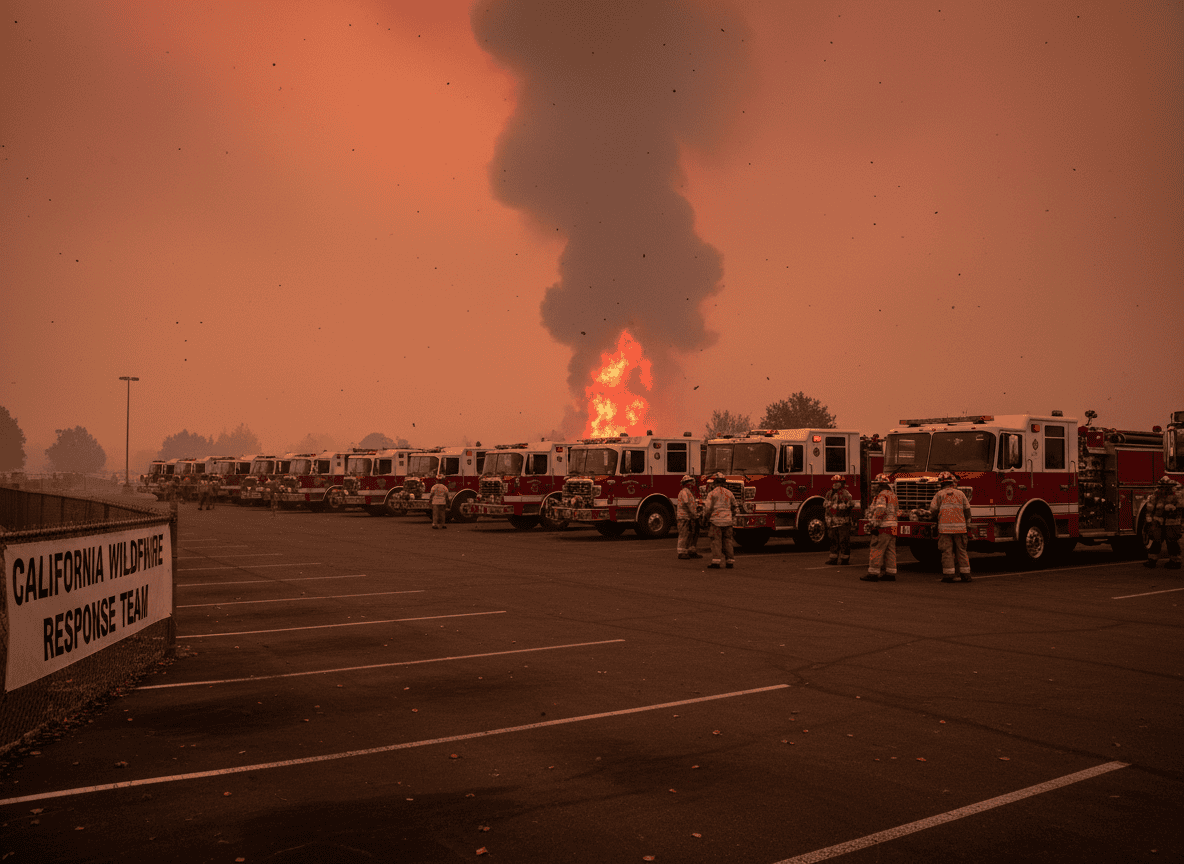

With winds and low humidity both expected to intensify in the coming days, containment lines that held overnight can give way quickly. Residents in Lake and Mendocino counties should monitor official evacuation zone maps directly rather than relying on secondhand reports, since boundaries have shifted daily since the fire started.