



It’s unsettling when a child is found sleeping alone in a public area, especially when that child is just a few years old. In a recent incident at a busy museum in Italy, a couple from Northern Europe left their sleeping three-year-old in a spot between elevators and restrooms. Museum staff were caught off guard when they discovered the child, as the area was not frequently monitored. The implications of this situation raised eyebrows and concern among the museum team.
The man and woman were reportedly visiting the museum and thought it was acceptable to leave their child unattended. This practice stems from a cultural norm in Scandinavia where parents often leave their sleeping children in strollers outside shops and restaurants. In their home country, the parents likely felt at ease, believing the world was safe enough for such a choice. However, the staff at the museum quickly realized that this behavior was not only inappropriate for the locale but also potentially dangerous.

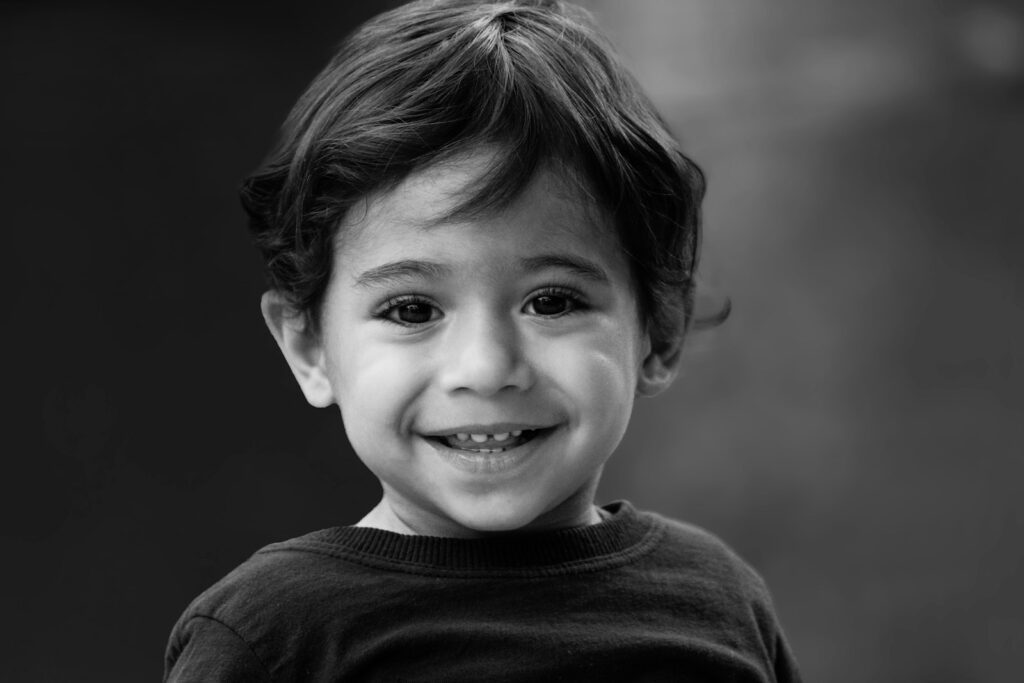
One staff member noticed the child during two separate passes through the area in about twenty minutes. Alarm bells rang when it became clear that the little one was alone. The staff moved quickly to locate the parents, alerting them to the risks involved in leaving a child unattended in a public space. The parents’ reaction was one of surprise. They apparently did not grasp that their actions could lead to serious consequences, including police involvement for child abandonment.
This incident sparked mixed reactions from those who witnessed it. Some people were incredulous that the parents could think this was okay, while others argued that the couple was simply following their cultural practices. Onlookers seemed to divide between those who emphasized child safety and those who sympathized with the parents’ perspective, insisting that nothing bad had happened, so what was the fuss?
People had very different reactions overall. Some felt that the staff member acted responsibly by intervening, emphasizing that leaving a child alone could have dire consequences. Others pointed out that the couple might not have been aware of the cultural differences in Italy, claiming that their intentions were harmless. The conversation turned toward the broader implications of parenting styles across different cultures and how easily misunderstandings can occur when traveling.
As the discussion unfolded, it became clear that opinions varied widely. Some noted that the child’s safety should come first, regardless of cultural differences. Others suggested that the parents should have been more educated about their surroundings and how such actions might be interpreted. A few even speculated on the parents’ intentions, wondering if they truly believed their child would be safe in that setting.
This incident serves as a reminder of how cultural norms can clash when different parenting styles meet. The discomfort of leaving a young child in a public area reflects a larger conversation about child safety, parenting expectations, and the way different societies approach these issues. For the museum staff, the primary obligation to protect the child took precedence over cultural considerations. However, the parents’ shock highlights the complexity of these cultural differences.
In the end, the situation leaves one wondering about the balance between respecting cultural practices and ensuring the safety of children, especially when traveling. The exchange in the museum was just a brief moment, yet it sparked a multitude of questions about how differing perspectives can clash, sometimes with potentially serious consequences.
More from Decluttering Mom: